
What McMurray Could Win for Niagara: Start With the Casino
The next Assembly will likely vote on a new Seneca casino deal that, as the Senecas describe it, sends nothing to the state. Here's what a majority member from Niagara could actually fight for, and win.
Candidates make promises. The question is what Nate McMurray could actually get done in Albany.
The answer starts with a deal that will soon land on the Legislature's desk.
THE CASINO VOTE IS COMING

For 20 years, the Seneca Nation shared part of its slot machine revenue with New York State. In return, it got the exclusive right to run casinos in Western New York. Under state law, part of the state's share went to the cities that host the casinos, including Niagara Falls.
That money mattered. Niagara Falls got $14.2 million in 2013. When the Senecas stopped paying during a dispute a few years later, the state warned the city could run out of money.
The money came in. Much of it was not well spent. And the city still has a casino at its center that pays no city property taxes.
The deal expired in 2023. The state law that guaranteed the cities' share expired with it and has not been renewed.
This month, the Senecas announced an agreement in principle on a new deal. Seneca President J.C. Seneca said it "contains no revenue sharing provision with New York State." Gov. Hochul says there is no deal yet and talks are ongoing.
Any new deal needs the Legislature's approval. The Senecas expect it to reach lawmakers in the spring.
That means whoever wins the 145th District will likely vote on Niagara Falls' casino money within months of taking office.
If the Senecas won't share, the state has no reason to keep giving them a monopoly. New York already licenses commercial casinos in the Catskills, the Finger Lakes and the Capital Region. Western New York could have one too, one that pays taxes and shares its money with the city like any other business.
WHY HIS VOTE WOULD COUNT
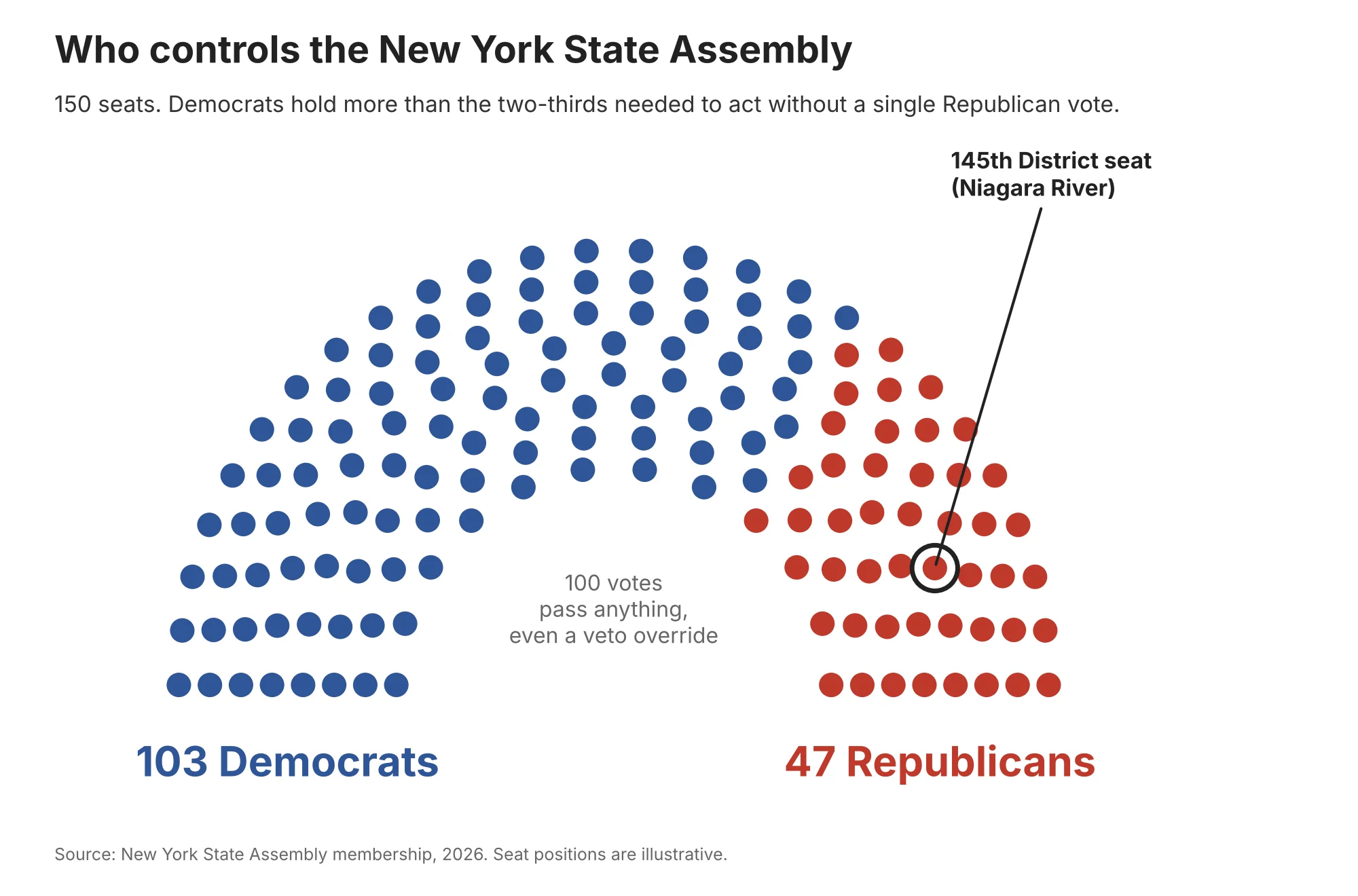
A Republican in the minority gets a vote that decides nothing. The Democrats who run the Assembly don't need it.
A Democrat in the majority sits in the caucus where the deal gets argued out before it reaches the floor. He can tell his leaders that the member who represents the casino's hometown won't support a deal that leaves the city out. He can write the bill to restore the cities' guaranteed share, then move it and push for a vote.
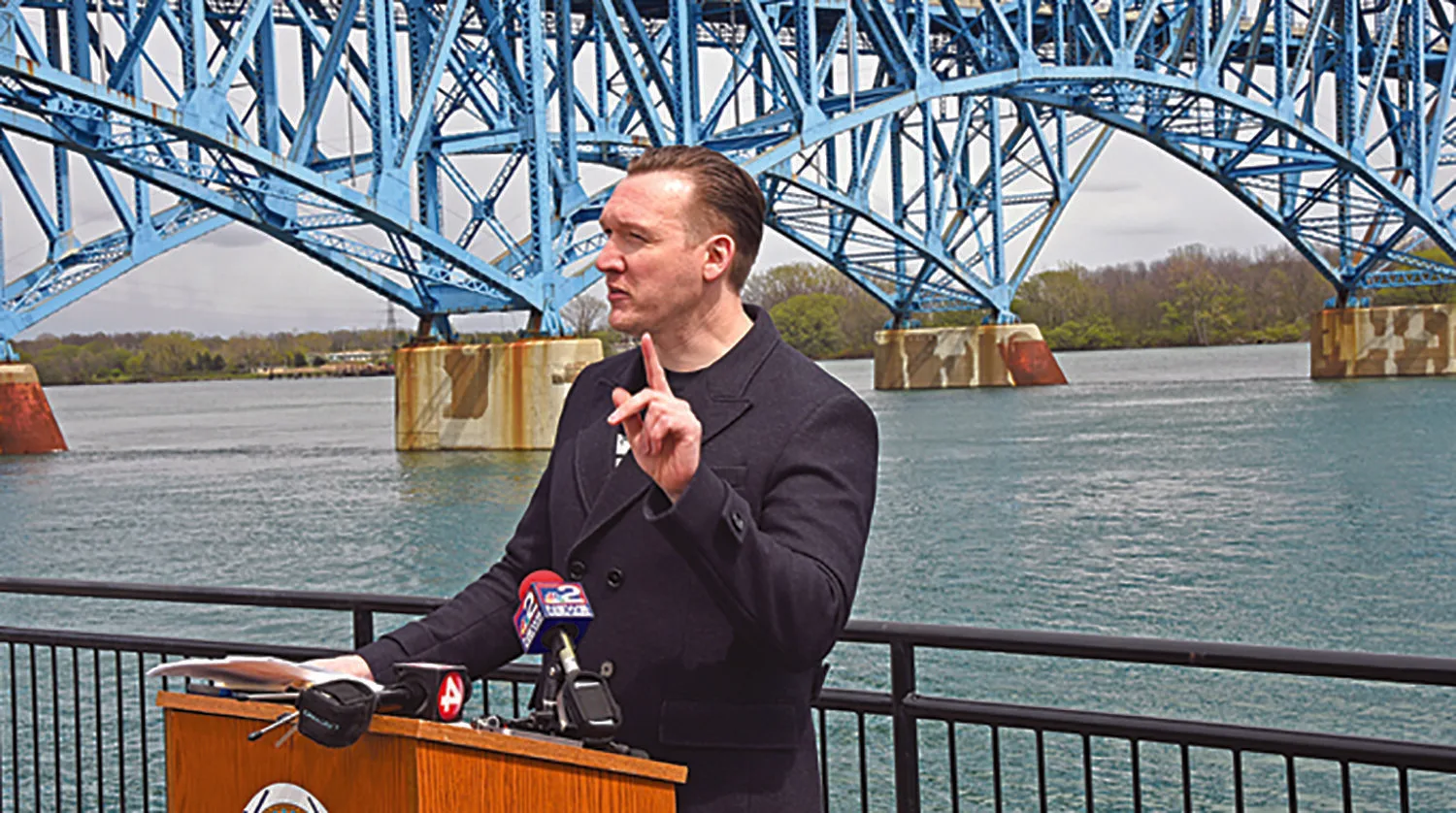
McMurray has already said he wants "a better deal for Niagara Falls from the casino." In the spring, he would get his chance.
THE POWER PLANT MONEY
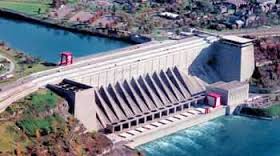
The Niagara Power Project is the state's biggest electricity producer. When the New York Power Authority renewed its federal license in 2007, it agreed to pay local communities a paltry $8 million a year for an asset that produces about a billion per year in hydropower:
$5 million a year to a host community fund, split among the city, Lewiston, the county, the town of Niagara and local school districts
$3 million a year for the Niagara River Greenway
Meanwhile, the plant makes the Power Authority rich. In 2008 alone, it produced $236 million of the authority's $309 million surplus, according to Rep. Brian Higgins.
When the city got desperate, the Power Authority was glad to help, on its own terms.
Niagara Falls, 2012: The authority turned the city's $850,000 annual payment, due for the next 44 years, into a single $13.45 million check to close a budget gap for then-spendthrift Mayor Paul Dyster. The city gave up $37.4 million in future payments to get it.
Buffalo did better. In 2022, the authority sped up $54.2 million in payments to Buffalo's waterfront agency, money that would otherwise have trickled in over about 10 years.
That year, Niagara County officials asked why Buffalo got more money, and Niagara didn't. After all, the power comes from the Niagara River, not from Buffalo.
Getting that answer is a job for a majority member. The Legislature writes the laws the Power Authority runs under. The 2012 deal itself needed the state's permission. The majority decides what passes.
McMurray also wants to move the Power Authority's headquarters to Niagara Falls, closer to the plant that makes its money. Only a majority member could even start that fight.
CLEANUP MONEY
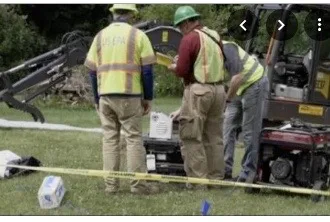
State cleanup money comes from the state budget, and the majority writes it.
McMurray wants a public plan to find and clean up radioactive and toxic sites, starting with the land on Witmer Road and the neighborhoods near Gill Creek. He wants state help for families near Love Canal who need to move.
A majority member can get cleanup money written into the budget and press the Department of Environmental Conservation for a timeline. A minority member can hold a press conference.
ARTPARK AND THE STATE PARK

Artpark in Lewiston and Niagara Falls State Park are both state parks. The state decides how much money they get, who runs the concessions, and where the parking goes.
McMurray wants money to make Artpark "a legendary venue people talk about the way they talk about Red Rocks." He wants parking moved off Goat Island and more of the park's earnings shared with the surrounding city.
Both go through the state parks agency and the state budget. And the majority writes the budget.
WHAT HE CAN'T PROMISE
Nobody gets everything in Albany. There are 150 Assembly members, and each one wants something for home.
McMurray won't get every item on his list. But he'll be in the room where the list gets decided. Wydysh won't be.
Niagara can send someone to that vote who counts, or someone who doesn't.

Becky Wydysh-Led Niagara County Knew Land Was Radioactive, Tried to Sell It (Oct. 18)
As Overdoses Climbed, Wydysh-led Niagara County Left $3.7 Million in Opioid Settlement Funds Unspent (Oct. 21)
So Selfless, Becky Wydysh Nearly Forgot to Give Herself a Raise (Oct. 25)
Wydysh, Albany and the Art of Political Powerlessness (Oct. 26)
McMurray: From the Erie Canal to Seoul, and Now to Albany (Oct. 28)
In Albany, McMurray Can Fight for Niagara. Wydysh Can’t. (Oct. 31)
Disclosure: Nate McMurray's campaign has paid me for advertising in the Niagara Falls Reporter and for consulting, which he has disclosed in his campaign filings. People who oppose him have bought far more advertising.


Nate’s got a strong shot!