Hochul’s Freeze Puts Niagara Falls’ AI Future on Ice
Washington agrees on one thing. America is in a race with China over artificial intelligence.
Interior Secretary Doug Burgum put it plainly: "The U.S. cannot lose to China in the AI arms race."
The race is close. Stanford University's AI report found that, by March 2026, users comparing the best American and Chinese chatbots rated them nearly equal.
Three years ago, the American one was far ahead.
America still has the better chips and spends far more money. China has more electricity, and AI runs on electricity.
Niagara Falls has hydropower. A developer wants to spend $1.5 billion building a data center there. Albany has put permits for projects like it on hold, including this one.
CHINA BUILDS POWER PLANTS. WE BUILD DELAYS.
China added 543 gigawatts of generating capacity in 2025, much of it solar and wind, according to its National Energy Administration.
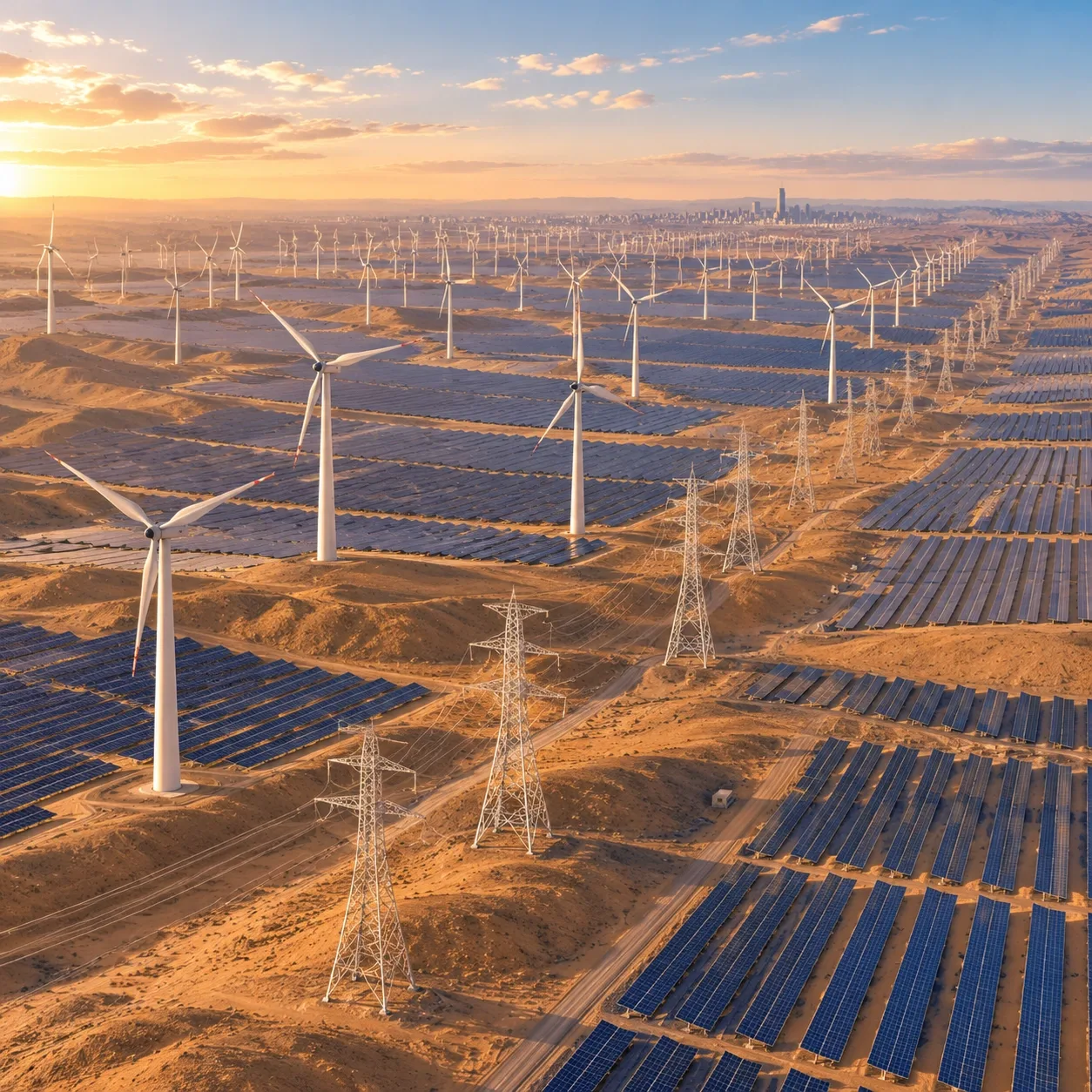
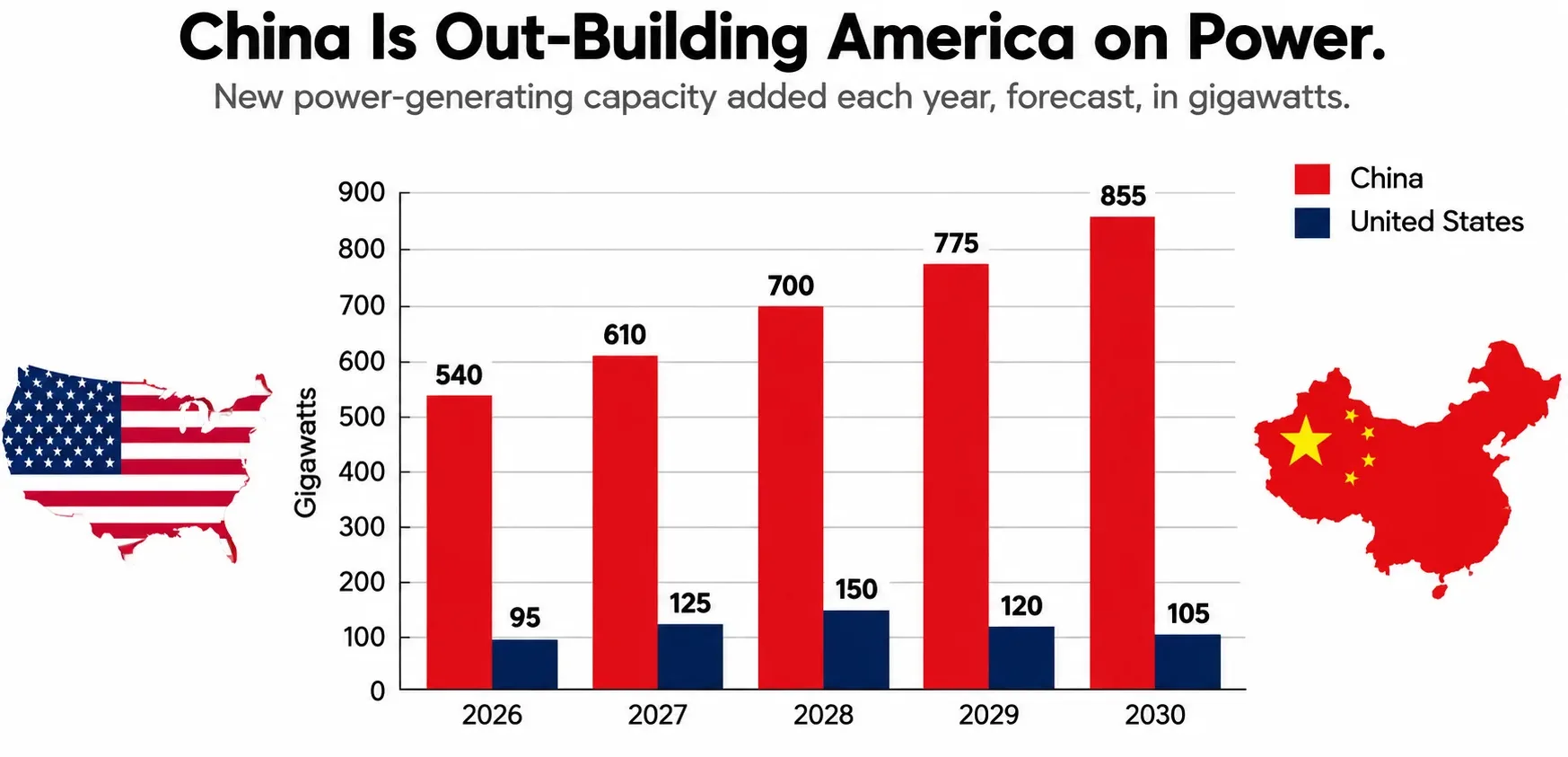
BloombergNEF projects China will add almost six times as much new generating capacity as the U.S. over the next five years.
China's electricity is cheaper. Its data centers pay about 3 cents per kilowatt-hour, roughly a third of the American price, according to The Washington Post.
Morgan Stanley projects a 44-gigawatt power shortfall for American data centers by 2028.
"In China, electricity is our competitive advantage," Liu Liehong, head of China's National Data Administration, said in March.
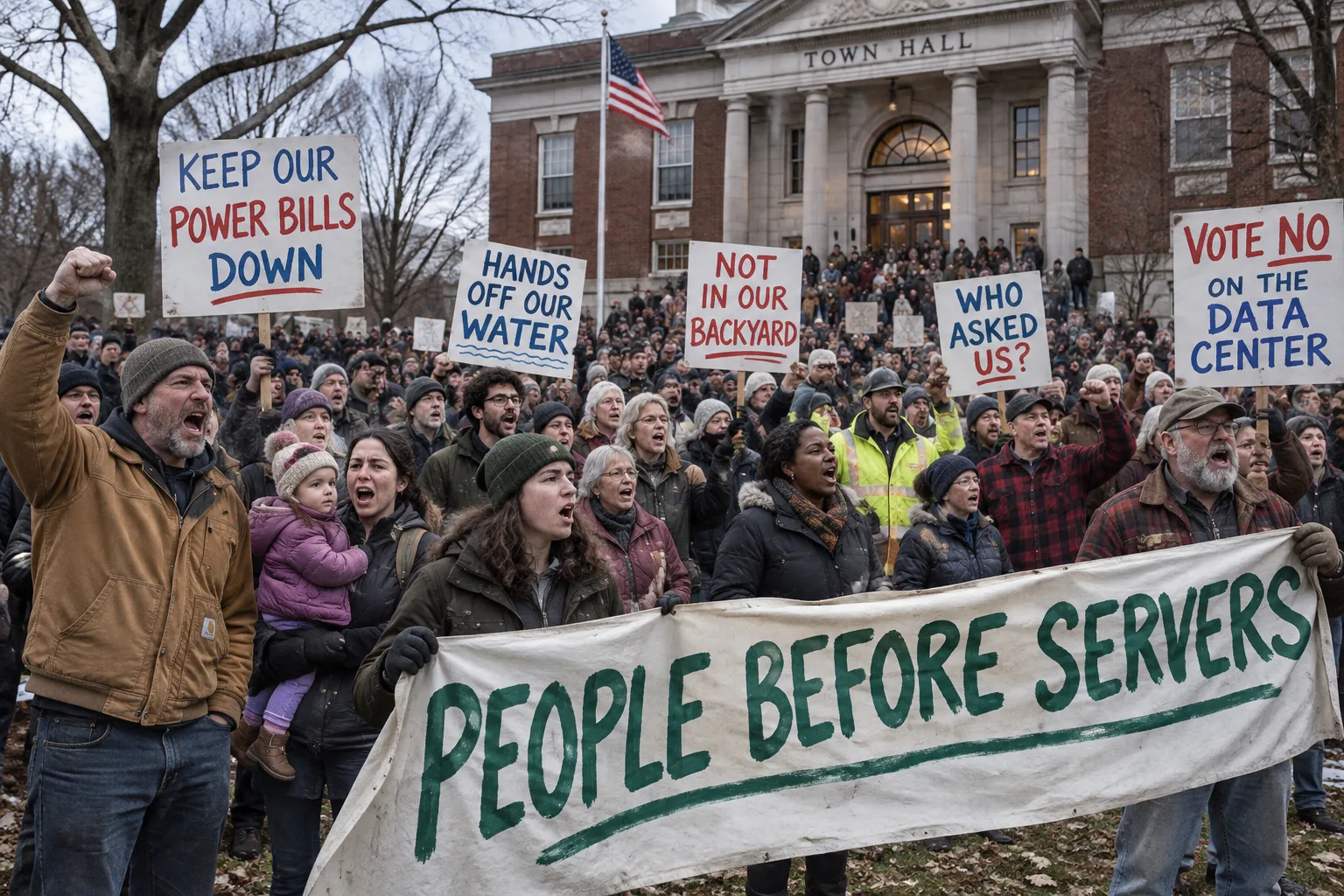
In America, local opposition blocked or delayed at least 75 data center projects worth $130 billion in the first three months of 2026, according to Data Center Watch, a tracker run by the research firm 10a Labs.
America needs more power for its chips. One fast answer is to build where the power lines can already carry the load. Niagara Falls is one of those places.
THE POWER IS ALREADY HERE
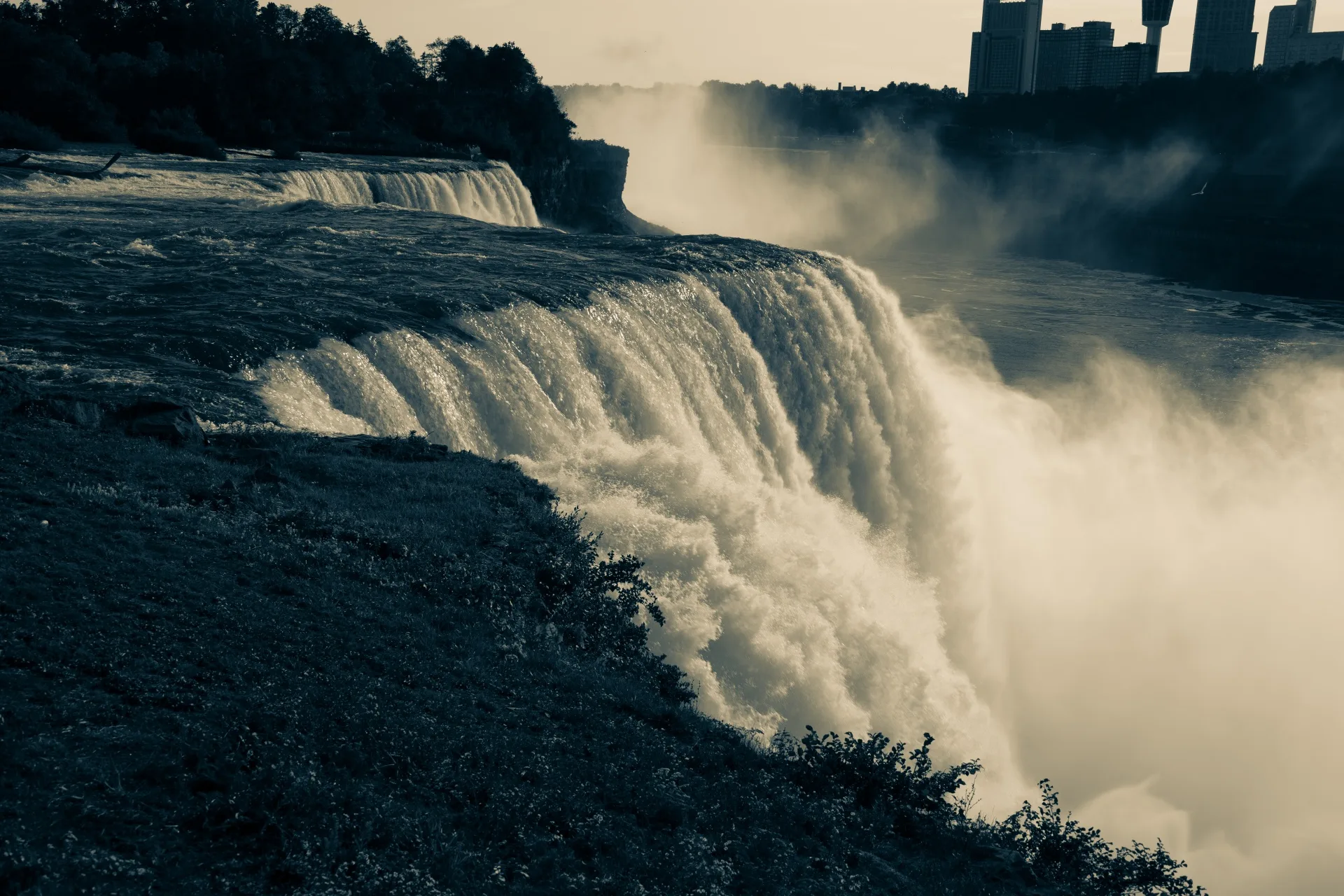
The river that powered Niagara Falls a century ago is still running. The factories have gone, but the power remains. Just outside the city, the Robert Moses plant turns the Niagara River into electricity.
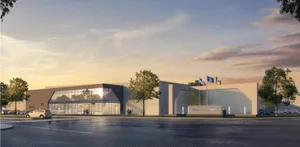
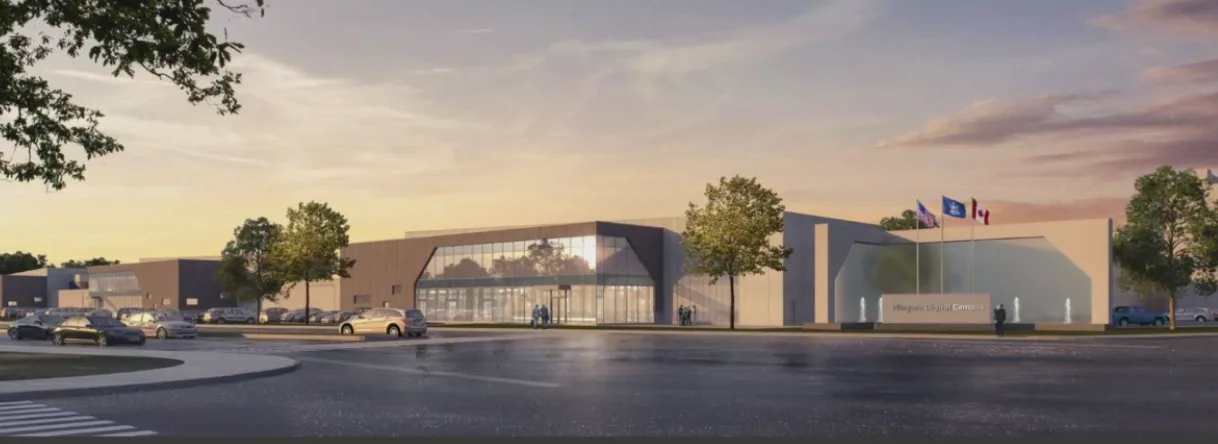
Niagara Falls Redevelopment plans to build the Niagara Digital Campus near that power. The plan calls for nine buildings using 140 megawatts, at a cost of $1.5 billion, which NFR says it will pay for privately.
In 2023, National Grid advised NFR that its transmission lines could accommodate 140 megawatts without overloading. In April 2024, NFR requested an interconnection from the New York Independent System Operator, targeting June 2027.
NFR first proposed the data center in 2021. The Planning Board rejected a revised version in December 2025. In June 2026, the City Council approved a settlement with NFR and the zoning to go with it.
A month later, Albany stepped in.
THE FREEZE

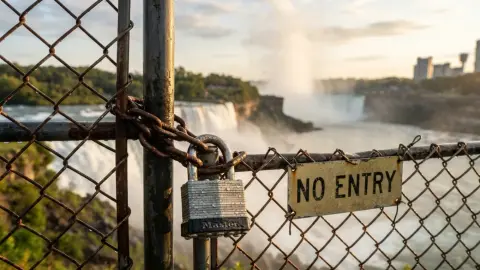
On July 14, Gov. Kathy Hochul signed an executive order pausing certain state environmental permits for new data centers using at least 50 megawatts of power. The pause can last up to one year.
The Niagara campus would need a state air permit for its backup diesel generators.
Hochul says the pause will give the state time to study how data centers affect electric bills, water supplies, and the environment. She wants developers, rather than households, to pay for the infrastructure they require.
That's a fair goal.
NFR says it will pay for its own substation and grid upgrades.
The State Legislature has proposed a broader restriction. Its Responsible Data Center Development Act would pause state permits for data centers using 20 megawatts or more. Both houses passed the bill by wide margins. Hochul has until Dec. 31 to act.
The building trades want the work. Their state council urged Hochul not to adopt the freeze.
A consultant hired by NFR projects about 675 construction jobs a year for nine years and 550 permanent jobs at the data center once it is fully built.
Opponents worry about electric bills, noise, and water. NFR's own filings offer its answers.
Its noise study, which NFR commissioned, concluded the campus should not noticeably increase sound levels at nearby residences.
The data center would use city water and sewers. NFR's filing says the sewer district has room. Its builder, Urbacon, designs data centers with cooling systems that use little or no water.
IF NEW YORK SAYS NO, WHERE DOES THE MONEY GO?
New York is free to tell developers to build somewhere else. The developers are equally free to take that advice. The demand for computing power will not disappear because New York declines to accommodate it.
The money and jobs could go to Virginia, Texas, Ohio, or somewhere else.
Not every state will say yes. Pennsylvania lawmakers have proposed a three-year moratorium, and lawmakers in 16 states have considered bans, according to the National Conference of State Legislatures.
There is an irony in sending data centers somewhere else. Many places that want them lack the power to run them, so developers build their own gas plants. Niagara Falls already has the power and the lines to carry it.
Hochul shouldn't be slowing a project like this down. The state should examine the proposal promptly and decide it on its merits.
A fast track isn't a free pass. The state can examine the generators, water requirements, electrical infrastructure, and environmental effects. It can impose conditions. It can reject a project that fails to meet them.
What it should not do is substitute delay for a decision.
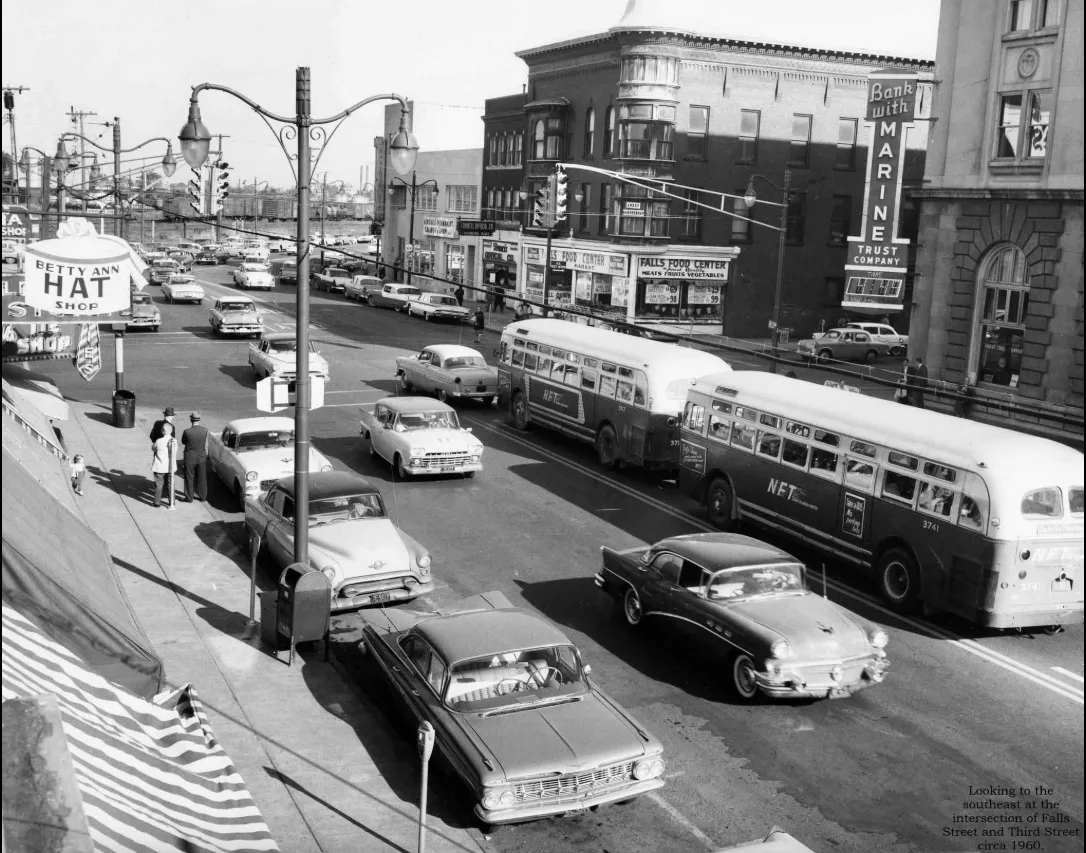
Once, people came to Niagara Falls because there was work. The river brought the factories, and the factories brought families. People bought houses, raised children, and believed their children would find work here too.
Then the factories began to close. The city declined.
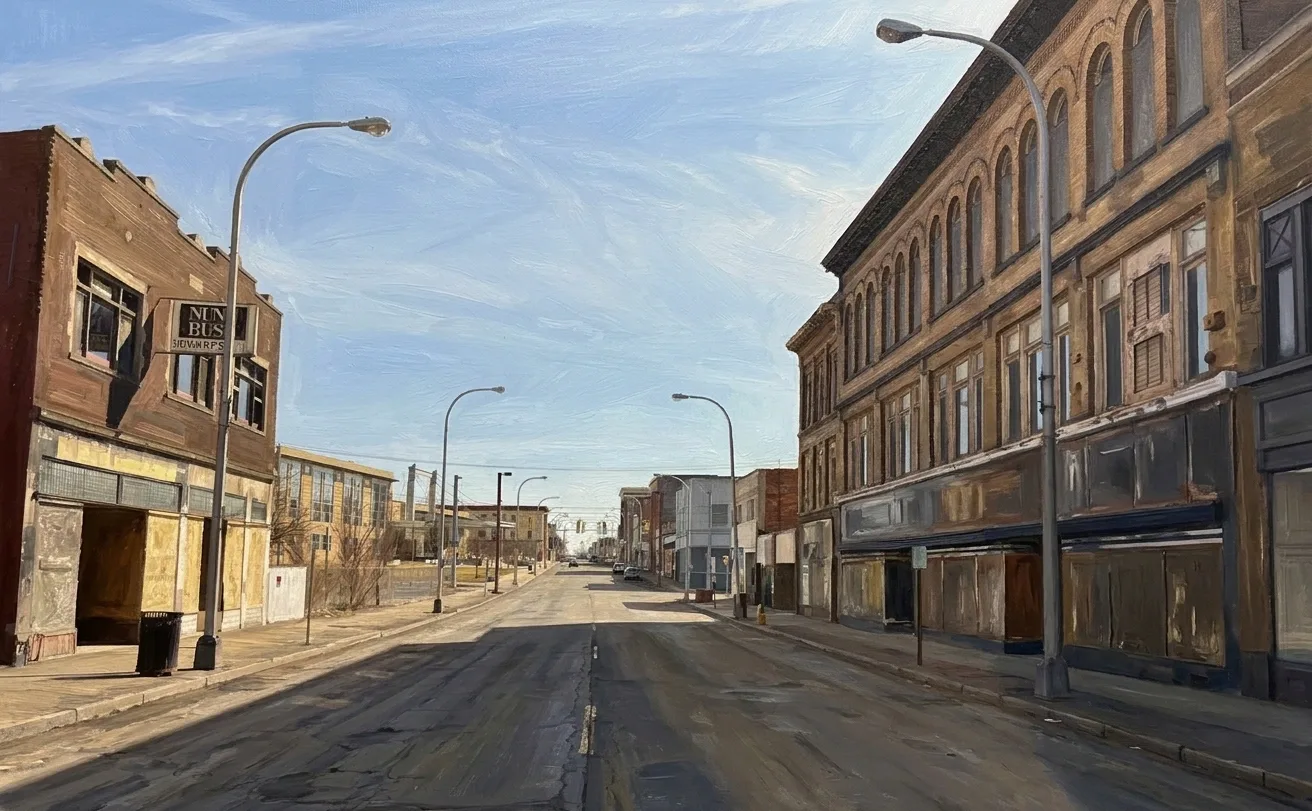
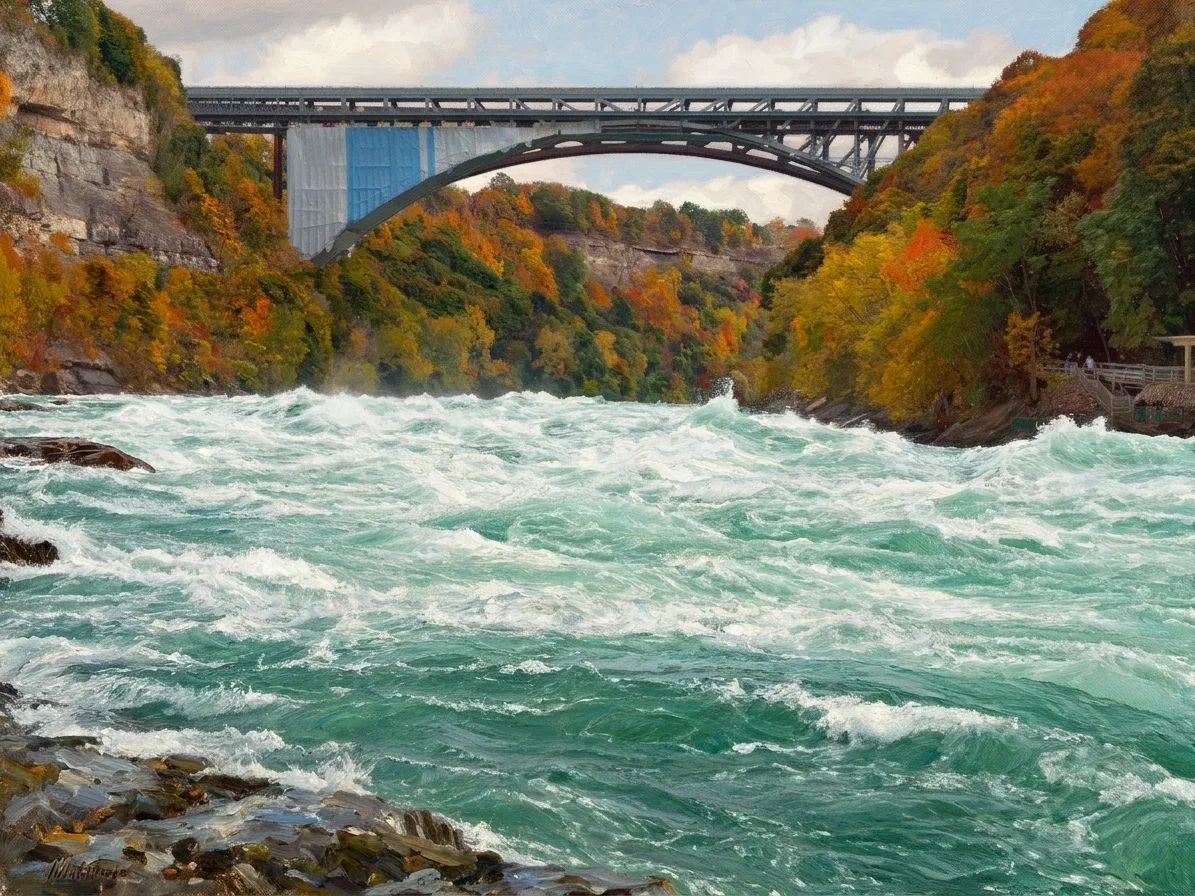
The river keeps running.
Now a private developer wants to put $1.5 billion to work in Niagara Falls. Not to make steel or chemicals, but to build for artificial intelligence—the industry America's future may depend on.
It won't bring back the old factories or everyone who left. But it could bring jobs and opportunity to the city that remains.
The proposal deserves scrutiny. It also deserves a decision.
How much longer must a city that has lost so much wait for an answer?