As Overdoses Climbed, Wydysh-led Niagara County Left $3.7 Million in Opioid Settlement Funds Unspent
Now an Assembly candidate, former Legislature Chair Becky Wydysh presided over years of zero spending while her county's overdose death rate ranked second-worst in the state
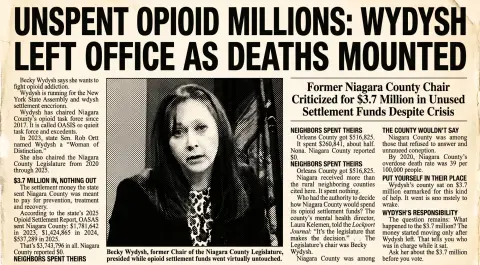
Wydysh Left Office With Opioid Millions Unspent as People Died
Becky Wydysh says she wants to fight opioid addiction.
Wydysh is running for the New York State Assembly. She is the Republican candidate in the 145th District. Republican Angelo Morinello is retiring. Democrat Nate McMurray is running against her. Voters go to the polls Nov. 3.
Wydysh has chaired Niagara County's opioid task force since 2017. It is called OASIS, the Overdose/Addiction Strategy Implementation Standing Committee.
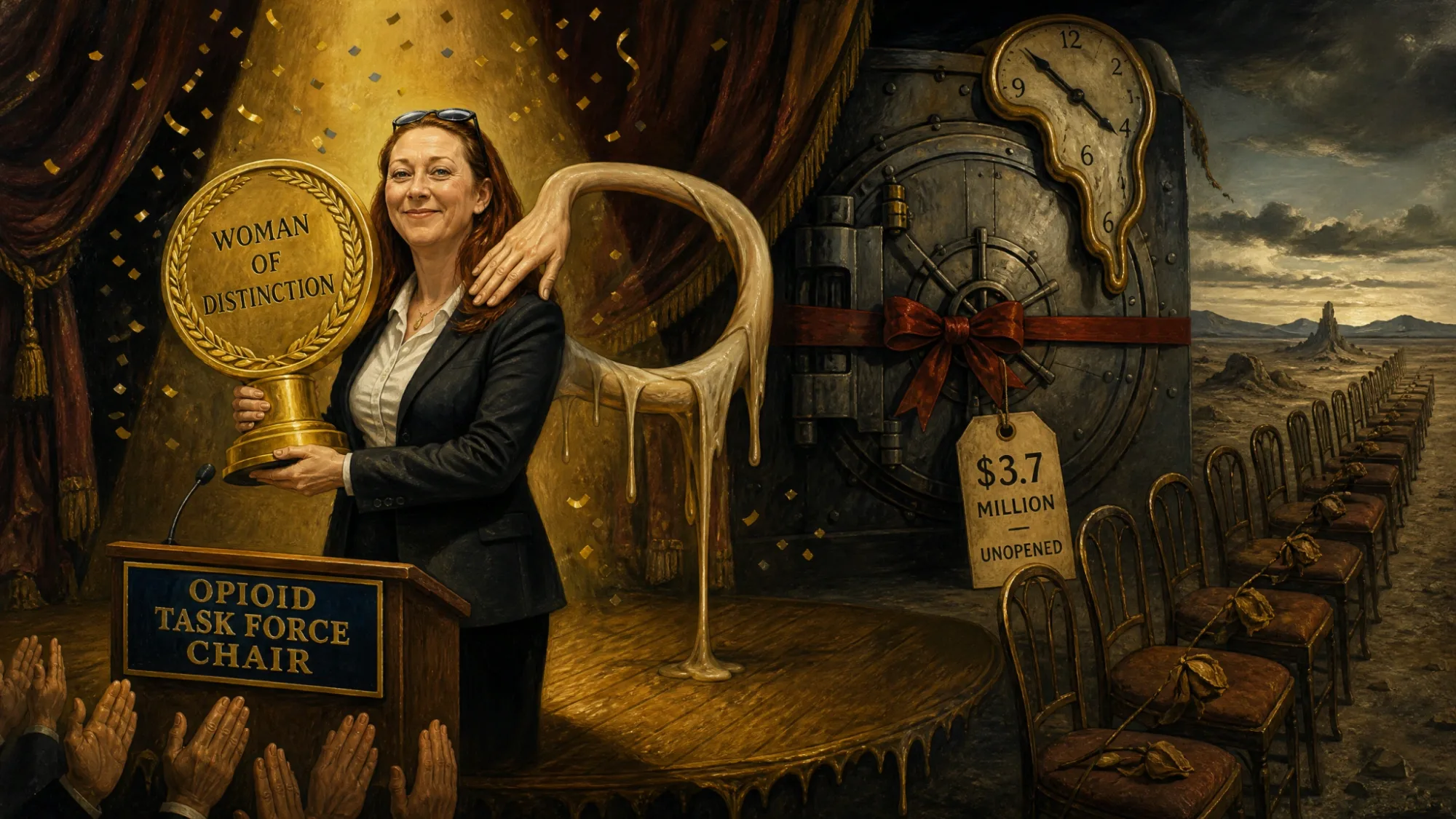
In 2023, state Sen. Rob Ortt named Wydysh a "Woman of Distinction." The announcement described her as "particularly passionate about battling the opioid addiction issues that have devastated so many Niagara County families."
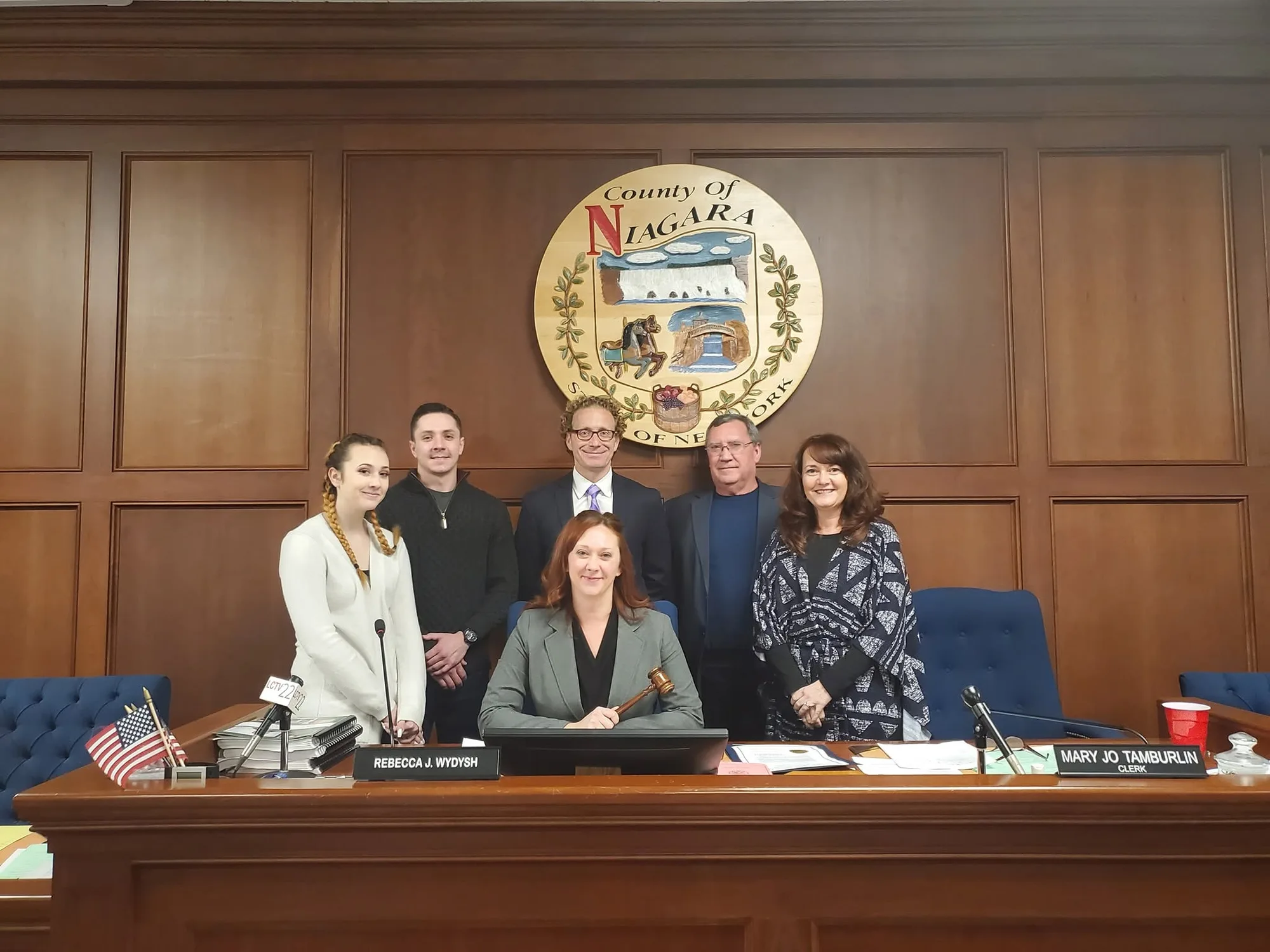
She also chaired the Niagara County Legislature from 2020 through 2025. It was the county's highest elected office.
$3.7 MILLION IN, NOTHING OUT
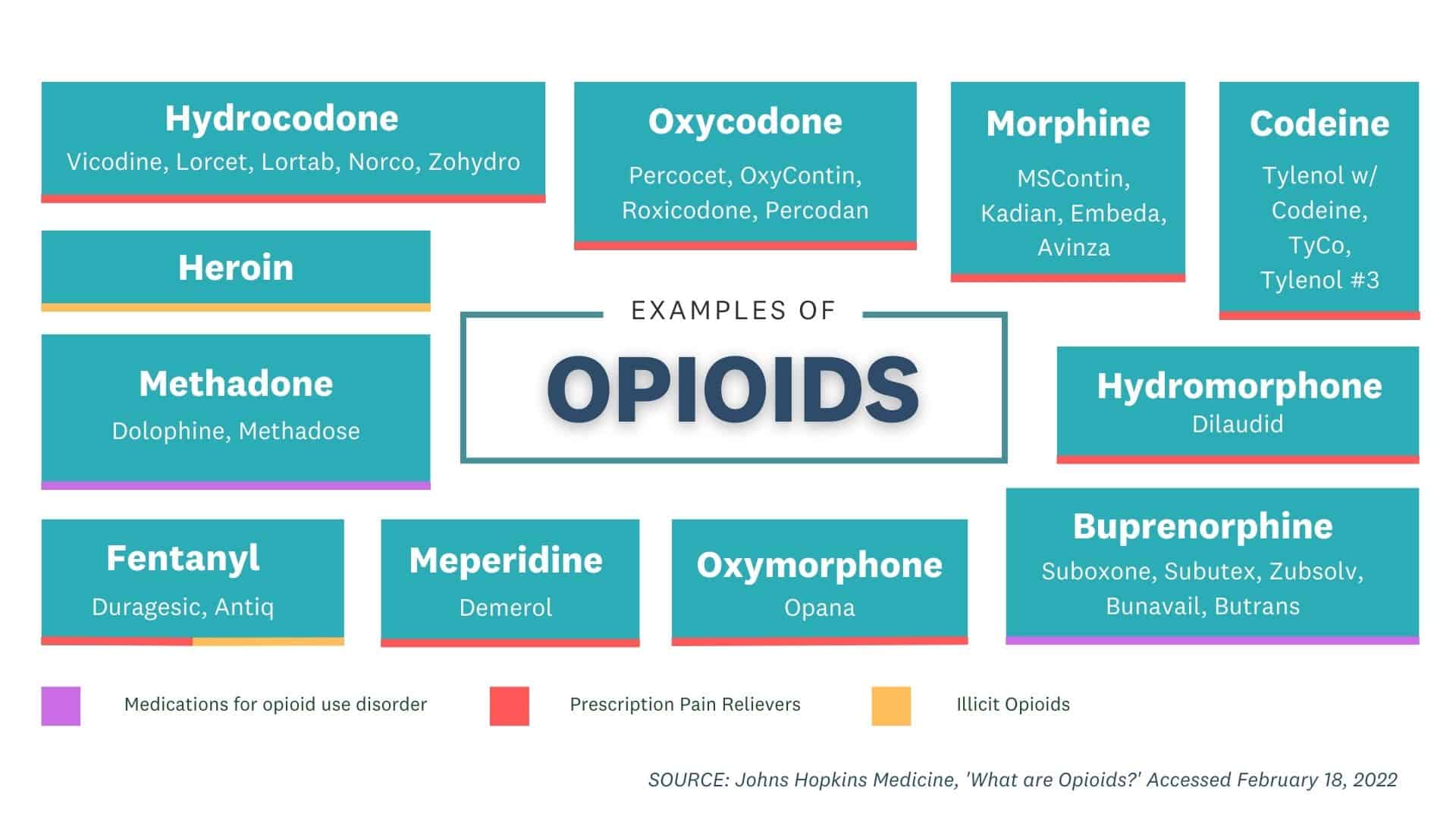
Drug companies and distributors have paid New York billions of dollars to settle lawsuits over the opioid epidemic. By state law, the money can only be used to prevent addiction, treat it, or help people recover.
The state sent part of the money to the counties through the Office of Addiction Services and Supports (OASAS).
According to the state's 2025 Opioid Settlement Report, OASAS sent Niagara County:
$1,781,642 in the state's 2023 budget year
$1,424,865 in 2024
$537,289 in 2025
That's $3,743,796 in all.
The report also lists each county's reported spending through the end of 2024.
Niagara County reported $0.
New York has 62 counties. Four counties reported spending nothing through 2024. Niagara was one of them.
The others were Hamilton, Warren, and Washington. They are small counties, without Niagara's place among the state's worst overdose death rates. Together, the other three counties received $1.2 million. Niagara received $3.7 million.
Of the ten New York counties with the highest opioid death rates in 2023, Niagara was the only one that reported spending none of this money through 2024.
Investigative Post reported on Sept. 30 that OASAS had sent the county $4.2 million since 2023, and that as of this May, Niagara County had spent 2.5 percent of it. Wydysh had left office five months earlier.
On Sept. 22, nine months after Wydysh left, the Legislature finally approved spending some of the money: $2.43 million of the money for Peaceprints, Community Missions, and a county program that helps people leaving jail find housing and treatment.
NEIGHBORS SPENT THEIRS
Other Western New York counties received state opioid settlement money through the same program. They spent it (some of it).
Orleans County got $516,825. It spent $260,841, about half.
Genesee County received $809,880. It spent $611,864. That was about three-quarters.
Erie County received $16.5 million and reported spending nearly $6 million.
Niagara received more than the rural neighboring counties cited here. It spent nothing.
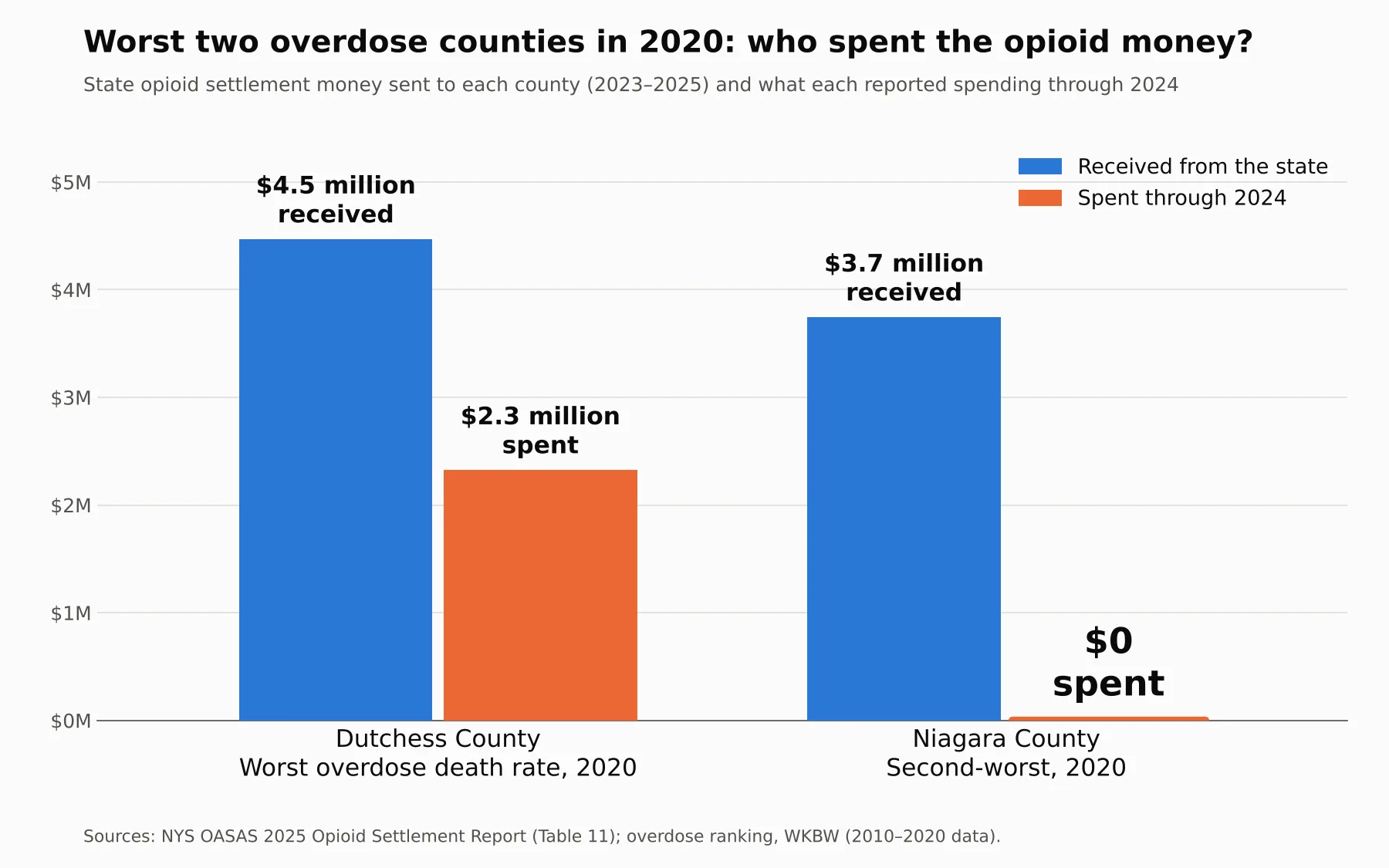
In 2020, there was only one county in New York with a worse overdose death rate than Niagara. It was Dutchess. The state sent Dutchess $4.5 million in opioid settlement funds. By the end of 2024, Dutchess had reported spending $2.3 million, roughly half.
Niagara was second-worst in 2020. The state sent it $3.7 million. Through 2024, it reported spending $0.
Who had the authority to decide how Niagara County would spend its opioid settlement funds? The county's mental health director, Laura Kelemen, told the Lockport Journal: "It's the legislature that makes the decision."
The Legislature's chair was Becky Wydysh.
THE COUNTY WOULDN'T SAY
In December 2025, Investigative Post asked governments across Western New York and beyond how they were spending opioid settlement money.
Niagara County was among those that refused to answer.
"Niagara County refused to provide Investigative Post data on its use of the money," reporter Adam Smith-Perez wrote.
The report also stated that Laura Kelemen, director of Niagara County's Department of Mental Health, "did not respond to repeated requests for information or comment."
Wydysh still chaired the Legislature when the Post asked.
This fall, the county again refused Investigative Post an interview. In a statement, Kelemen said no proposals qualified in 2023 and a hospital program fell through. That was the county's explanation for two years of almost no spending under Wydysh's leadership.
The state is now auditing how Niagara County has used the money, according to meeting minutes cited by Investigative Post.
WHILE PEOPLE DIED
Niagara County had 29 overdose deaths in 2019. In 2020, it had 60. In 2021, the county's mental health department reported 94, according to WGRZ.
That was 183 people in three years, in a county of about 210,000.
By 2020, Niagara County's overdose death rate was 39 per 100,000 people, more than triple what it was in 2010, and second-worst in the state, WKBW reported. The state average was 25.
The deaths kept coming after the money arrived. Niagara County had 92 overdose deaths in 2023 and 71 in 2024, Investigative Post reported. Its overdose death rate ranked ninth-worst in the state in 2023 and sixth-worst in 2024.
According to the state Health Department, Niagara remained among New York's ten counties with the highest opioid overdose death rates in 2023. Every other county in that group reported spending from its state opioid settlement funds through 2024. Niagara reported none.
In 2019, when deaths dipped, Wydysh credited her task force.
"I truly believe that the work that this task force is doing," she said, and "all three of our subcommittees, the efforts they've been taking the last few years are helping with those numbers."
Two years later, deaths had more than tripled. Unlike when she took credit for the drop, Wydysh did not take any blame for the dramatic rise.
Yet the state had allocated millions of dollars to Niagara for opioid prevention, treatment, and recovery. The county Wydysh led, and the task force she credited with fewer deaths, reported no spending of that state money through 2024.
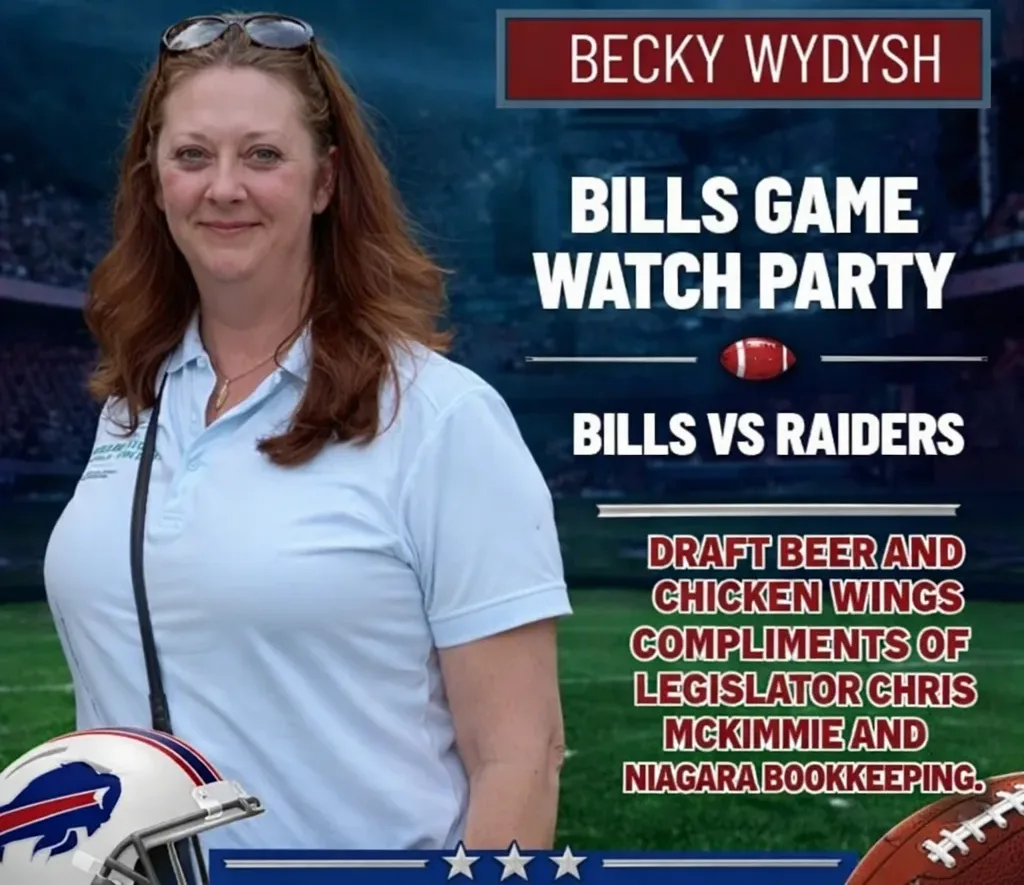
Image: Becky Wydysh, chair of the county's opioid task force since 2017, in 2019 credited its work for a drop in overdose deaths
THE TASK FORCE CHAIR
Wydysh chaired both the opioid task force and the County Legislature. Republicans held the legislative majority.
She held authority when the money arrived. The money came for one reason.
In Niagara County, people were losing family members to opioids, and other families were struggling to help the people they loved. The state sent money to support prevention, treatment, and recovery, the kinds of work that can give a person another chance to live.
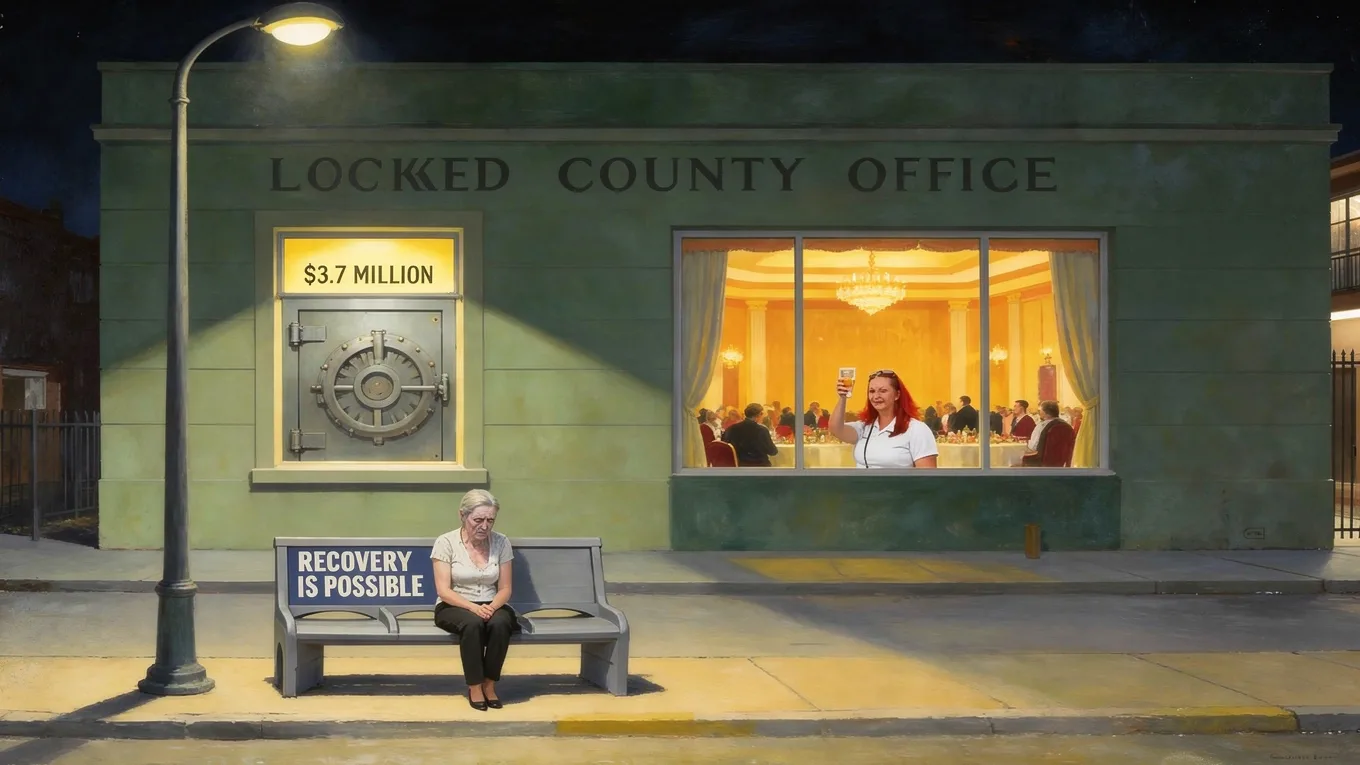
Under Becky Wydysh, it sat unspent. The state's report puts it in one number: $0.
PUT YOURSELF IN THEIR PLACE
Think of a mother in Niagara Falls, or Lockport, or North Tonawanda, who has lost a son to an overdose. She knew him before addiction was part of his life. She knew him as a child, as a boy with his own habits and hopes. Now he is gone.
Perhaps he had tried to stop using drugs. Perhaps he had asked for treatment and found there was no bed available. Perhaps there had been another overdose before the last one, another moment when someone might have reached him with Narcan, a telephone call, a ride to treatment or simply the knowledge that he had not been forgotten.
Maybe one day he had said he was ready. Such days can come in a life, and nobody knows in advance which one will matter most.
Wydysh's county sat on $3.7 million earmarked for this kind of help.
Deanna Gibson, 37, lives in a homeless encampment in Lockport. "I've seen a lot of overdoses," she said. "I'm struggling immensely." Of the officials, she said, "There's nothing here."
Joseph Gardner, 53, lives in the same encampment. He said the money "could be housing for six months."
David DiTullio runs operations at the Niagara Gospel Rescue Mission. He didn't know the money existed. "There's no excuse," he said. "If there's money available, why are we not doing something?"
All three spoke to Investigative Post.
Now put yourself back in the place of a father in Niagara Falls, or a mother in Lockport, or North Tonawanda, who lost a daughter or a son to an overdose.
You learn that the state sent $3.7 million in opioid settlement money to your county for prevention, treatment, outreach, and recovery.
And then you see that, through 2024, the county reported spending none of it.
For a mother who had buried a son during the epidemic, that zero might bring back a day that has never quite ended for her: the funeral arrangements, the people who came, and the knowledge that her boy would not be coming home.
Nobody can say whether the money would have saved your son. But treatment, outreach, and recovery services give people chances they might never have otherwise.
Other counties reported using their state settlement funds. Niagara, under Wydysh as chair of both the Legislature and the opioid task force, reported no spending through 2024.
Wydysh called this fight her passion. She accepted an award for it. The county she led reported spending none of the $3.7 million the state sent to fight it.
WYDYSH'S RESPONSIBILITY
Now she wants a promotion to Albany, where the money is bigger and the stakes are higher.
The question remains: What happened to the $3.7 million? The money started moving only after Wydysh left. That tells you who was in charge while it sat.
Efforts to discuss this matter with Wydysh have reached a dead end. Nate McMurray has challenged her to a debate, but Wydysh has declined
Ask her about the $3.7 million before you vote.
Disclosure: Nate McMurray's campaign purchased advertising in the Niagara Falls Reporter. Advertisers opposing McMurray have purchased substantially more.


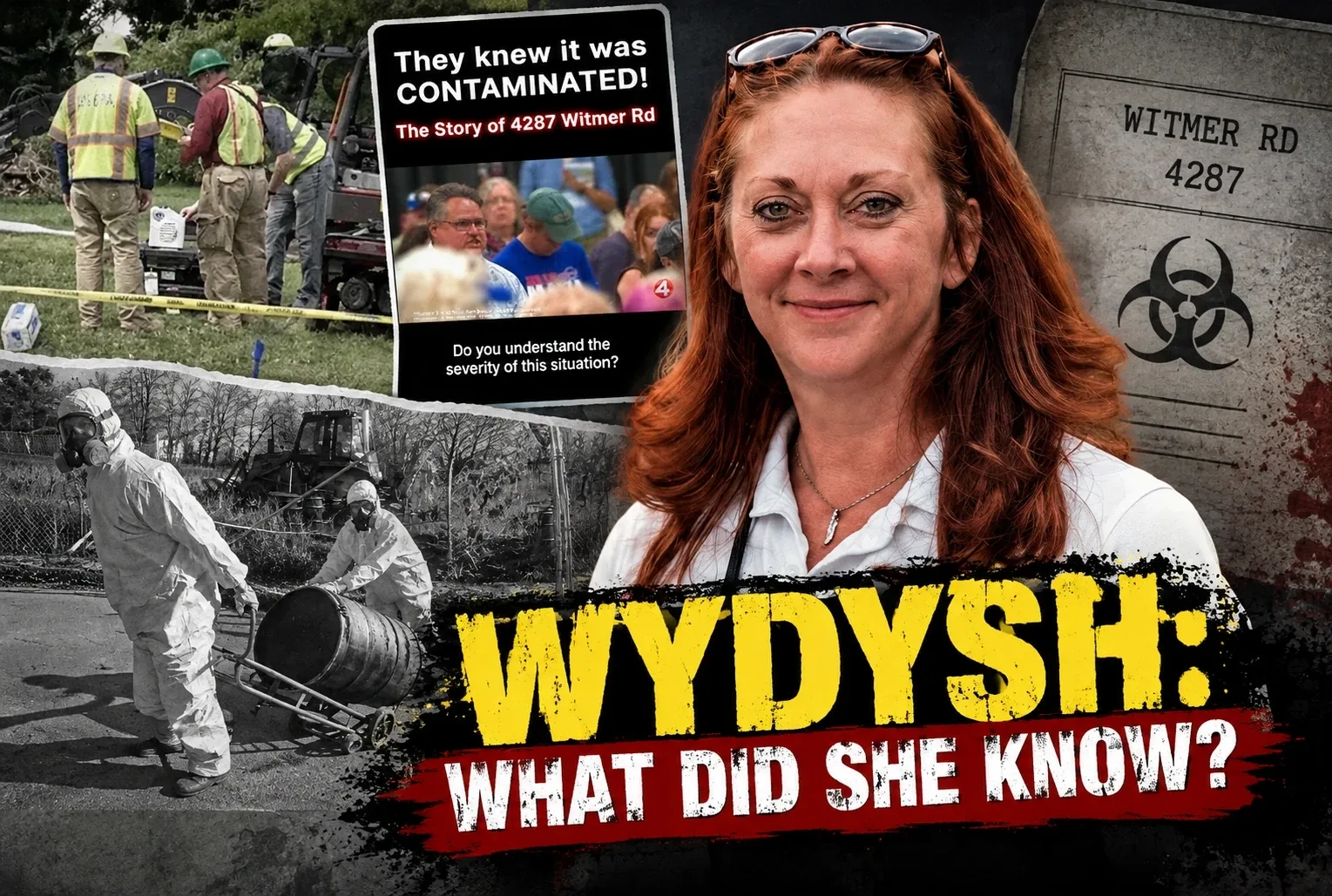
Becky Wydysh-Led Niagara County Knew Land Was Radioactive, Tried to Sell It
Here are the Investigative Post stories:
Opioid epidemic funds lack oversight, transparency (Dec. 3, 2025)
Niagara County dallies as overdose deaths mount (Sept. 30, 2026)
Buffalo’s indifferent response to opioid overdoses (Dec. 2, 2025)