By Tony Farina
Let’s begin by recognizing that Niagara Falls needs affordable housing like every growing community, housing designed to assist low-income tenants who are limited to paying no more than 30 percent of gross income for housing costs, including utilities, because families deserve safe, quality places to live.
There is no issue with the need for affordable housing. What this is about is location. It should not be put in the wrong place to send a mixed message on investment opportunities. And it should be part of a long-term plan so that businesses, neighborhoods, and attractions all work together instead of competing with one another.
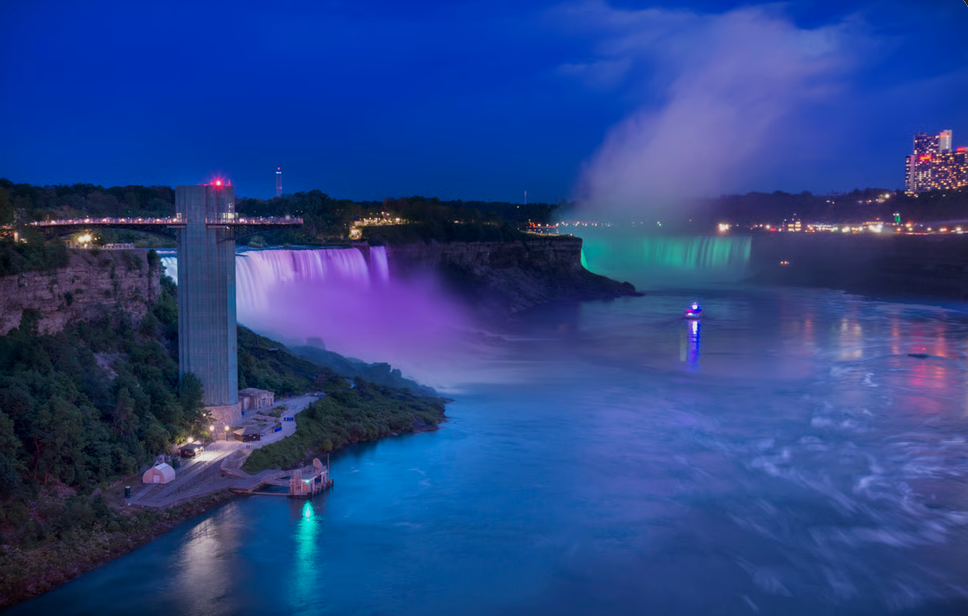
That is why the State of New York and Empire State Development should take another look at using that short stretch of road between Seneca Niagara Casino and the entrance to Niagara Falls State Park for affordable housing. Millions of people travel through this area every year, and for many visitors, it is their first impression of Niagara Falls. That is why every decision on location matters.
Affordable housing tenants need and deserve easy access to grocery stores, pharmacies, neighborhood shopping, schools, parks, and other everyday services. This important gateway strip being looked at has very few of those things. Instead, the area is built almost entirely for tourists. It is not affordable housing friendly at all.
The reality is this important gateway strip is filled with hotels, restaurants, parking lots, entertainment venues, and visitor attractions. Every day, thousands of tourists, buses, and vehicles travel through this corridor on their way to Niagara Falls State Park and the casino. Is this tourist strip the best location for affordable housing or should this unique property be used in a way that best supports the city’s tourism economy while placing housing in areas with more neighborhood services? In other words, more affordable housing friendly.
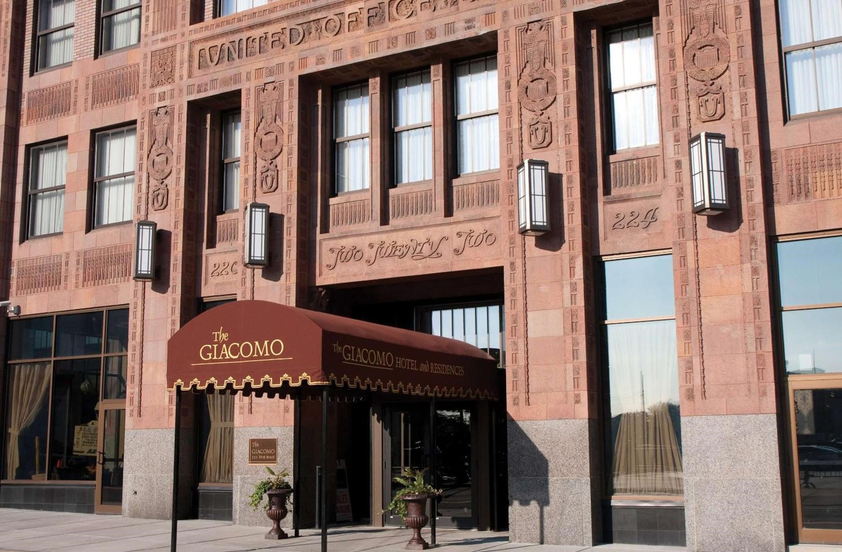
This location question we’ve raised becomes even more important when you look only a block away. Why, you ask? Because Ellicott Development has spent millions of dollars restoring historic buildings into attractive apartments and is now marketing luxury condominiums with prices beginning around $500,000. That investment represents confidence in downtown Niagara Falls and a belief that people will pay a premium to live in this district.

Click here to learn about Nate!
There you have it. Private developers are investing with one vision while the state appears to be pursuing another. That sends mixed signals to the marketplace.
Developers, lenders, and investors want to know where the city is headed before they commit millions of dollars. When one project encourages luxury residential development, and another introduces a completely different land-use strategy immediately next door, uncertainty grows. Investors begin asking whether there is a long-term master plan or whether projects are simply being approved one at a time without considering how they fit together. That uncertainty can slow future investment.
Gateway properties next to one of the world’s greatest natural attractions are limited. Once they are developed, these opportunities are gone for generations. Because of that, these sites deserve careful planning and a vision that strengthens tourism, encourages private investment, and creates a welcoming entrance for visitors from around the world. Other successful tourist destinations deserve this.
Places like Orlando and Las Vegas carefully plan their major visitor corridors. They decide where hotels belong, where entertainment belongs, where residential neighborhoods belong, and where commercial development belongs. That planning gives confidence to investors and creates a better experience for both residents and visitors. Niagara Falls should do the same.
Rather than approving projects one by one, state agencies, city leaders, private developers, residents, and business owners should work together to create a comprehensive gateway master plan. Such a plan would identify the highest andbest use for these important properties while ensuring that housing, tourism, business, and neighborhood development complement one another.
Niagara Falls has tremendous opportunities ahead. Private investment is increasing. Historic buildings are being restored. Tourism remains one of the region’s greatest economic engines. These successes should be supported by a coordinated strategy, not weakened by conflicting land-use decisions.
The lesson for Empire State Development is simple. Economic development is more than approving projects. It is about creating places where every investment supports the next one.
When planning is coordinated, everyone benefits—the residents, the visitors, the businesses, and yes, the taxpayers.
Niagara Falls deserves a single vision for its most important gateway, not competing visions that leave residents, developers, and investors wondering what comes next.
A long-term compatible plan is what’s needed to get the most value for future generations.