By Tony Farina
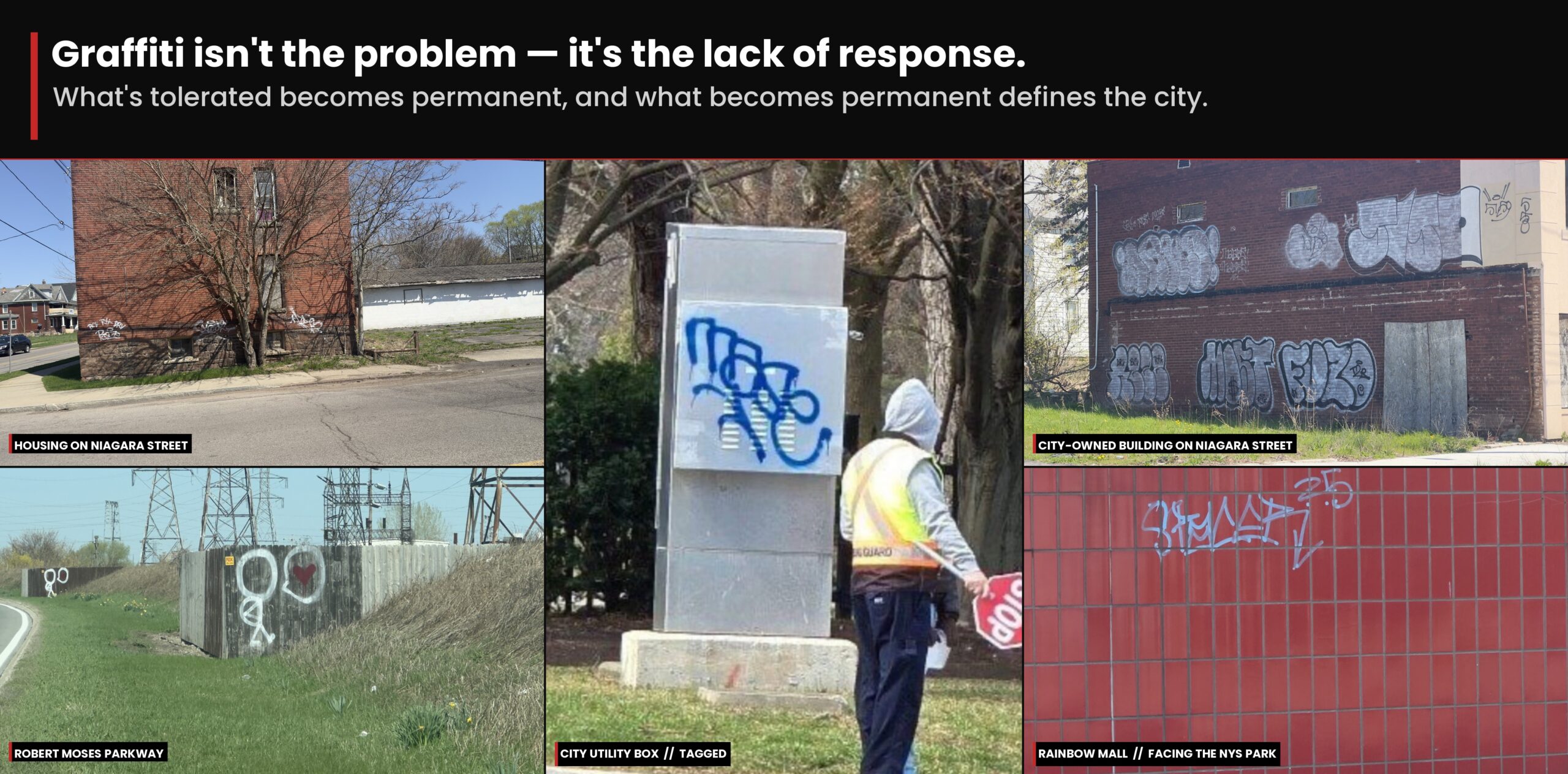
A tourist-driven city like Niagara Falls, N.Y., should make every effort from the top on down to put on its best face for visitors, perhaps giving them pause to stick around for a while before leaving after seeing the natural world wonder and the marvelous State Park. Sound like a good idea? Well that’s what I decided to concentrate on today, cleaning up the city with graffiti and illegal dumping as the targets.
Cleaning up the city was actually brought to light recently by Mayor Robert Restaino in his weekly podcast when he talked about a new effort to crack down on illegal dumping. What a great topic for the mayor to talk about because illegal dumping hurts neighborhoods, makes the city look neglected, and sends the wrong message to visitors and residents alike.
But the effort, including on the graffiti front, should begin at the top. The city has graffiti laws, but unfortunately, enforcement lacks consistency. Like illegal dumping, graffiti is an eyesore. When visitors and residents drive past tagged walls, marked signs, and city property covered in graffiti, it tells them something is being ignored. That is a bad message indeed for tourists and for the people who live here every day.
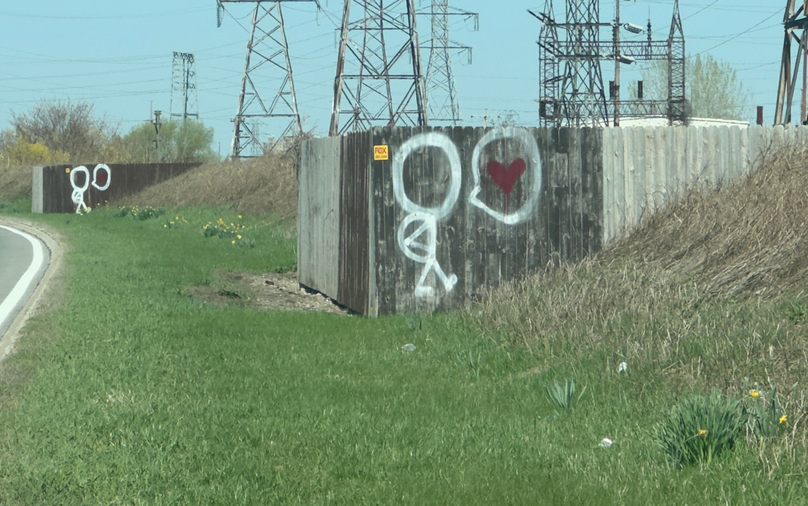
The message to the public on graffiti is that it suggests that something is being ignored and that the city only enforces rules when it wants to. If homeowners, landlords, business owners, churches, and developers are expected to clean up graffiti quickly, then the city should be doing the same on its own property. Government should set the standard.
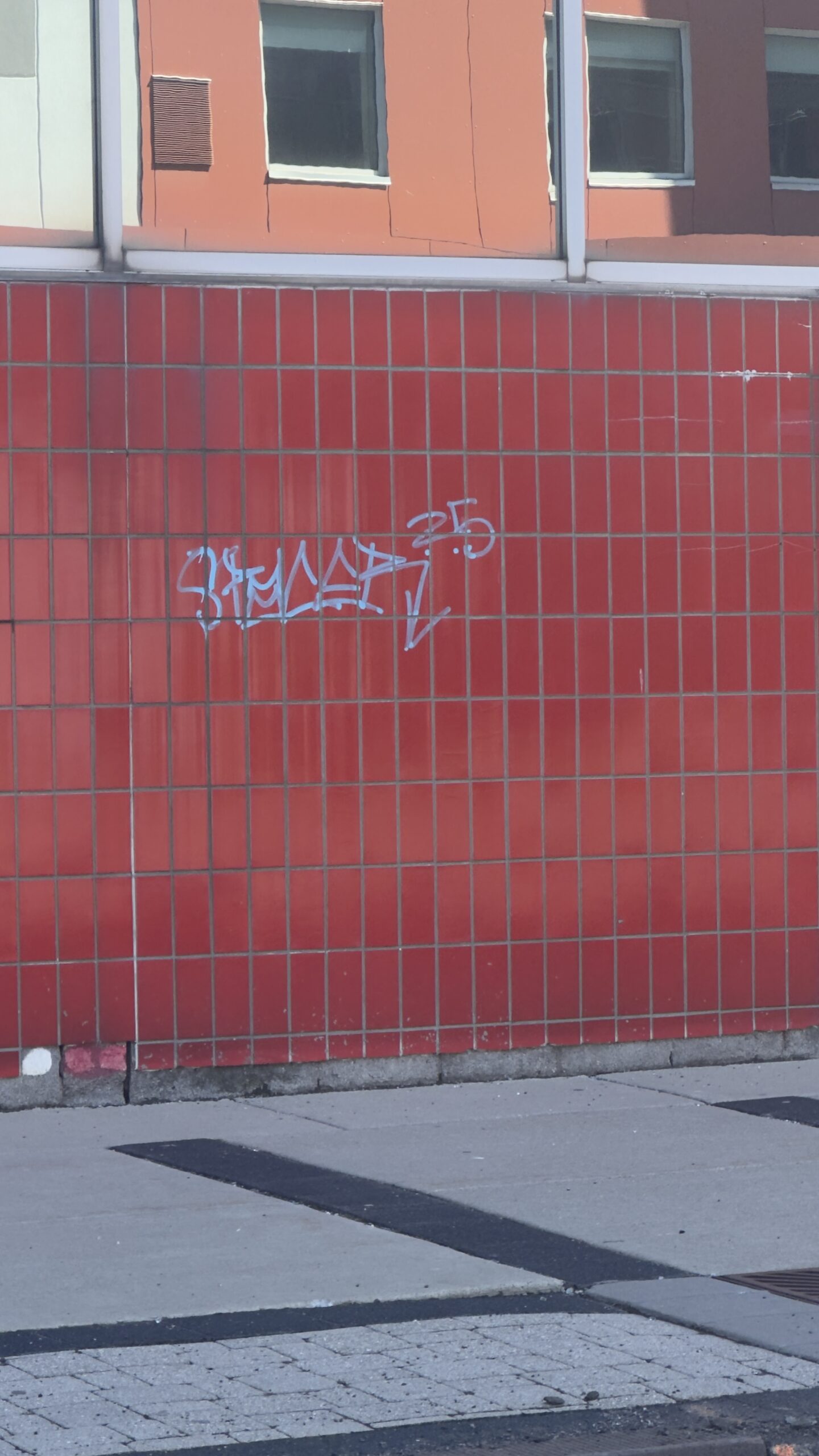
It all matters, dirt, illegal dumping, and graffiti, because appearance shapes confidence. When a city does not police itself, people begin to wonder how well it will take care of anything else. If graffiti is left alone in plain sight for all to see, residents may ask: if the city will not handle this visible problem, what else is being neglected? The message is larger than paint.
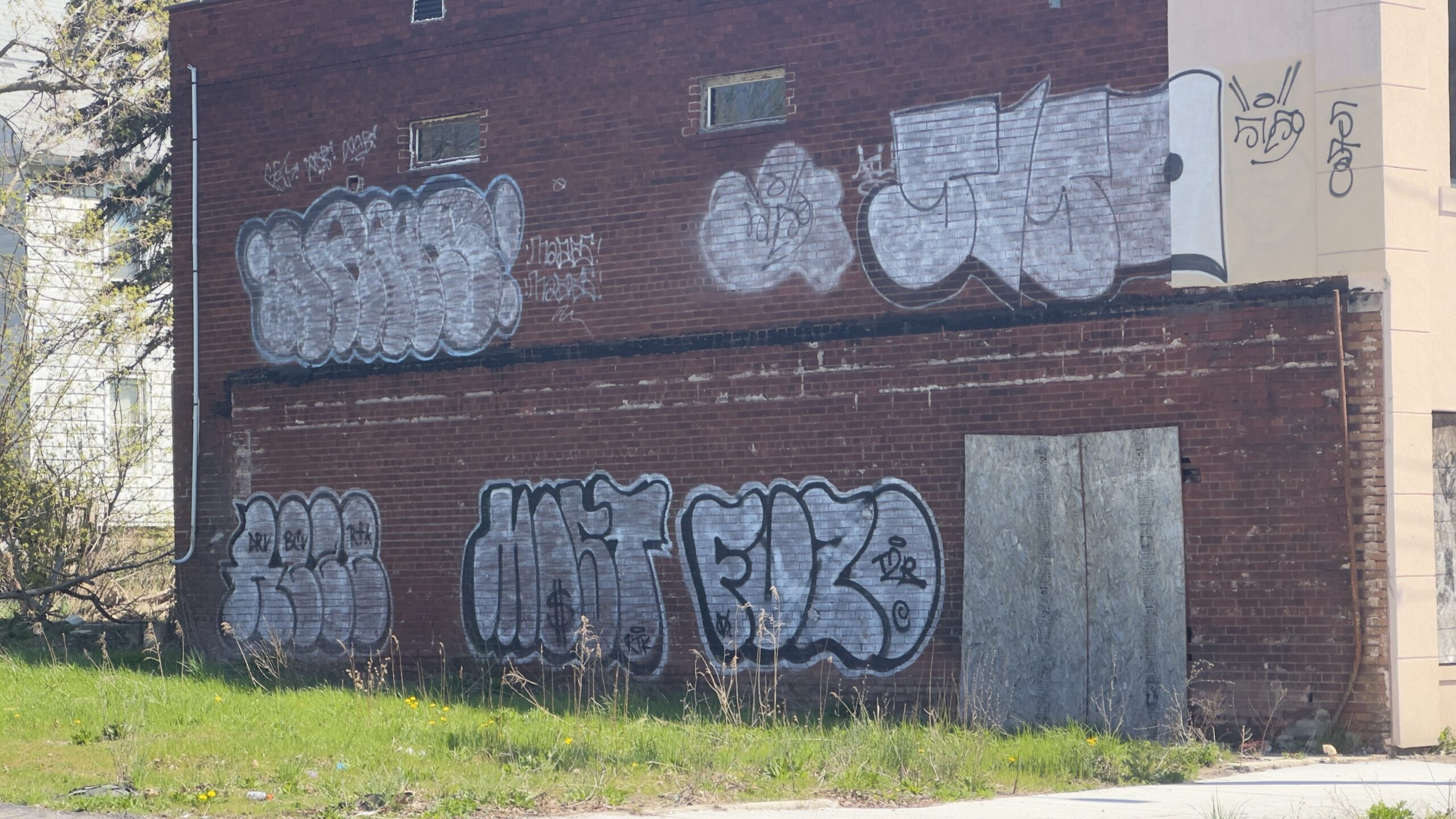
The message is whether City Hall means what it says pride, order, and quality of life. The city has a law on the books called Prohibition of Graffiti and Providing for Eradication, Enforcement, and Penalties. The law, Chapter 720, says graffiti is a public nuisance. It says graffiti damages property, promotes blight, and encourages more vandalism. It also says the city must discourage illegal graffiti and enforce its removal from public and private property.

Click here to learn about Nate!
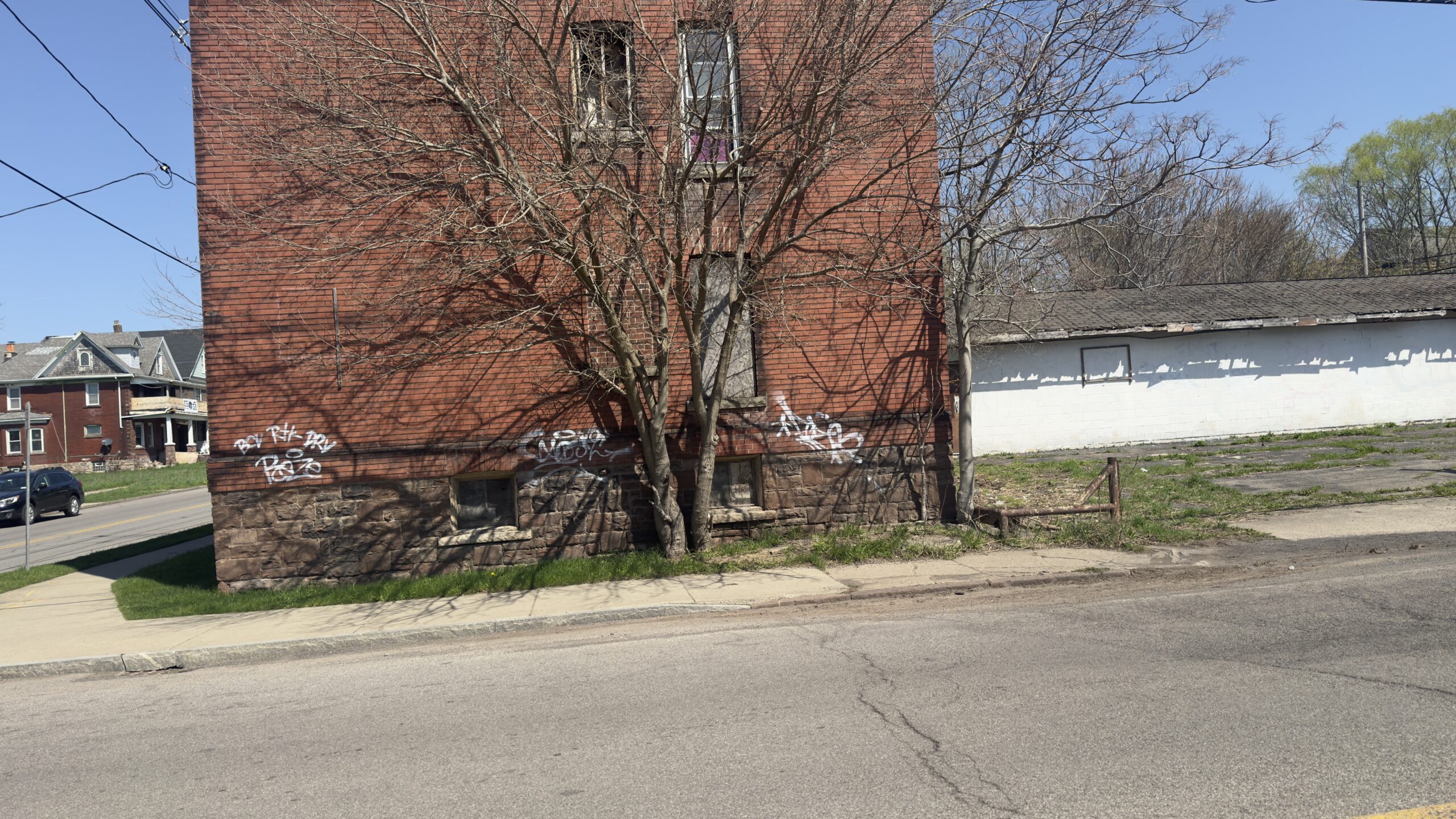
That wording matters because the law does not say only private property, but says public and private property. The ordinance defines graffiti broadly. It includes etching, scratching, painting, drawing, covering, or otherwise marking public or private property without permission. It prohibits people from defacing buildings, monuments, vehicles, bridges, places of worship and other property.
The ordinance gives the city a cleanup standard. Written notice can require removal within a reasonable time, not more than 10 days. Failure to comply could trigger fines and even jail, and possibly even both. New York State also treats graffiti as a crime, a Class B misdemeanor. So both the city and state are clear, graffiti is vandalism.
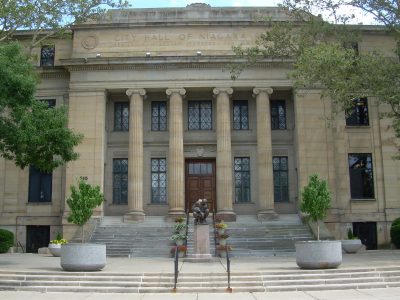
If private property owners can be told to clean graffiti within 10 days, the city should be doing at least that well on its own property. When the city does not act, it promotes the very blight its own ordinance warns about. It sends the wrong message to all, and that is why the mayor’s message on illegal dumping should go one step further. If Niagara Falls is serious about cleanup, then graffiti should be in the same conversation.
Niagara Falls needs action, not more speeches. In a tourist city, appearance matters. In government, example matters even more.