
Niagara Falls
THE
NIAGARA FALLS REPORTER
LOCAL NEWS  •  LOCAL VOICES  •  LOCAL MATTERS

Lovely Pollinator Meadows Proliferate along Niagara Gorge, thanks to No-Mow Policy
J
James Hufnagel · July 8, 2023
Lovely Pollinator Meadows Proliferate along Niagara Gorge, thanks to No-Mow Policy
SharefXin✉
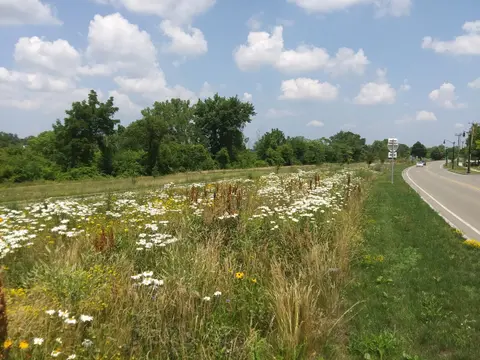
The Moses Parkway once ran along Whirlpool, now replaced by a pollinator meadow

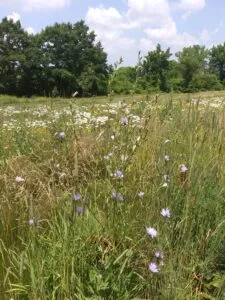
One of the best things to ever happen to the city of Niagara Falls was the removal of a section of the Robert Moses Parkway. Replaced by trails, natural pollinator-friendly meadows and native trees, it’s one of the best things the Office of State Parks has ever done here for the city and the region.
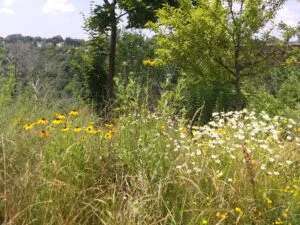
Once forbidding concrete, now trails and flowers

It’s important to understand that there is a clear purpose in allowing these areas to proliferate as meadow, as opposed to routine mowing as if they were some kind of lawn in suburbia. Mowing is extremely injurious to the bird and pollinator populations that are in general decline. If you go for a walk on this new parkland between downtown and Findlay Drive, you will feel like you are out on a country lane, far from the noise and pollution of the typical city, in a place thriving with bees and bird life.
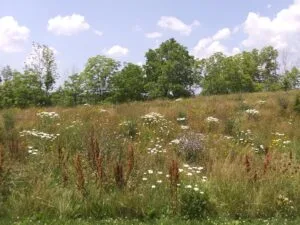
Pollinators prefer this to a mowed lawn

We gathered some additional information in an attempt to educate the public as to why some of the landscape along the Niagara Gorge is left unmowed all summer. For example, “In native plant meadows managed for pollinators, the best practice is to mow after the first frost in the fall, or before plant growth begins in late winter or early spring.”
Thank you State Parks

“To reduce harm to pollinators, we advise mowing in the fall or winter when flowers are not in bloom.”
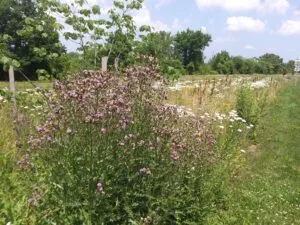
New trails along the Niagara Gorge have elevated eco-tourism to a new level for our community. Hikers, dog-walkers, bicyclists, tourists and N.U. students all enjoy nature hikes on what was once a useless, redundant roadway.

“Mowing is only done in the early spring or late fall to minimize the effect on pollinator species.”

 

SharefXin✉

Comments (0)

Leave a comment

More From Niagara Falls Reporter

Dr. Bob's Sixth Step: Protect Your Sleep With a Red Light
Investigative

Dr. Bob's Sixth Step: Protect Your Sleep With a Red Light

By Dr. Robert Lee Oksenholt · October 10, 2026

Dr. Bob's sixth step for aging stronger after 60 is protected sleep: a consistent bedtime, screens down before bed, and dim red night lights that won't suppress melatonin. The motion-activated lights also light the path to the bathroom, helping prevent the falls that put older adults at risk of hip fractures.

Dr. Bob's Five-Part Plan to Age Stronger After 60
Investigative

Dr. Bob's Five-Part Plan to Age Stronger After 60

By Guest View · October 8, 2026

Dr. Robert Lee Oksenholt outlines five essentials for staying strong after 60: walking, lifting weights, creatine, high-polyphenol olive oil, and a daily multivitamin. Walking and lifting do the most for heart, brain, muscle, and bone health, while the supplements offer affordable support.