DIG UP DILLINGER: IF THE FBI IS SO SURE, WHY NO DNA TEST?
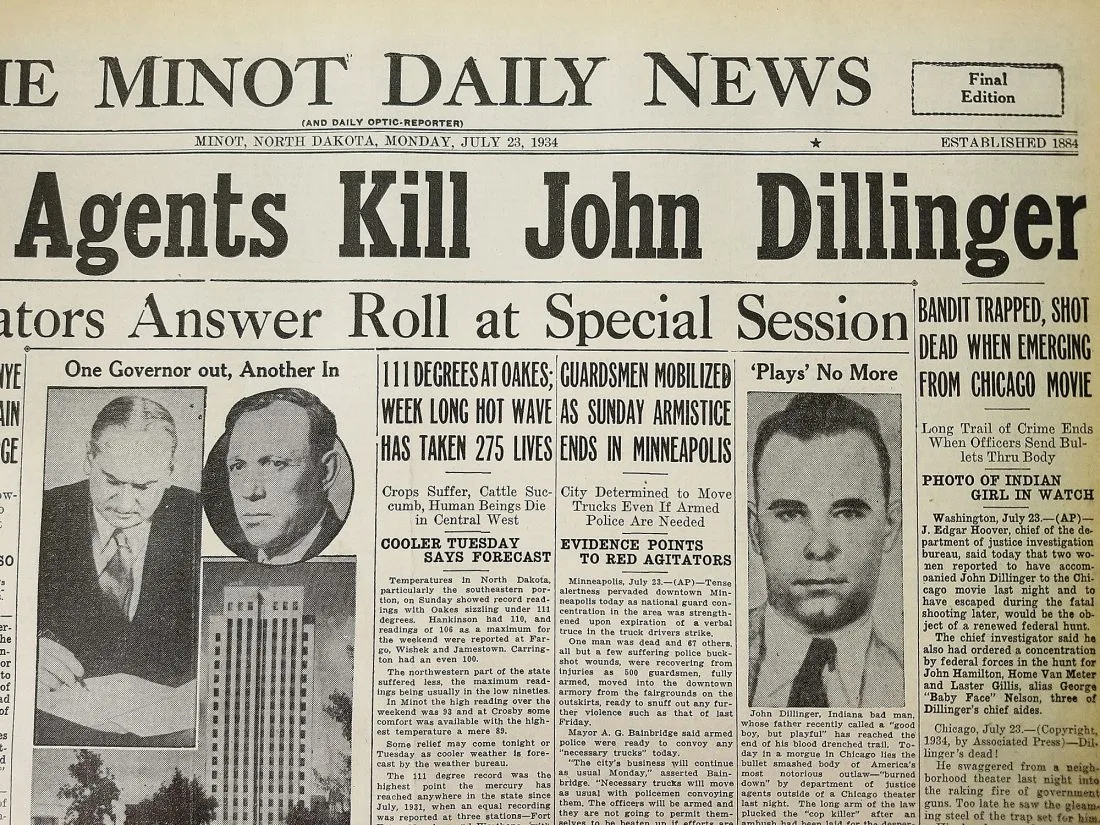
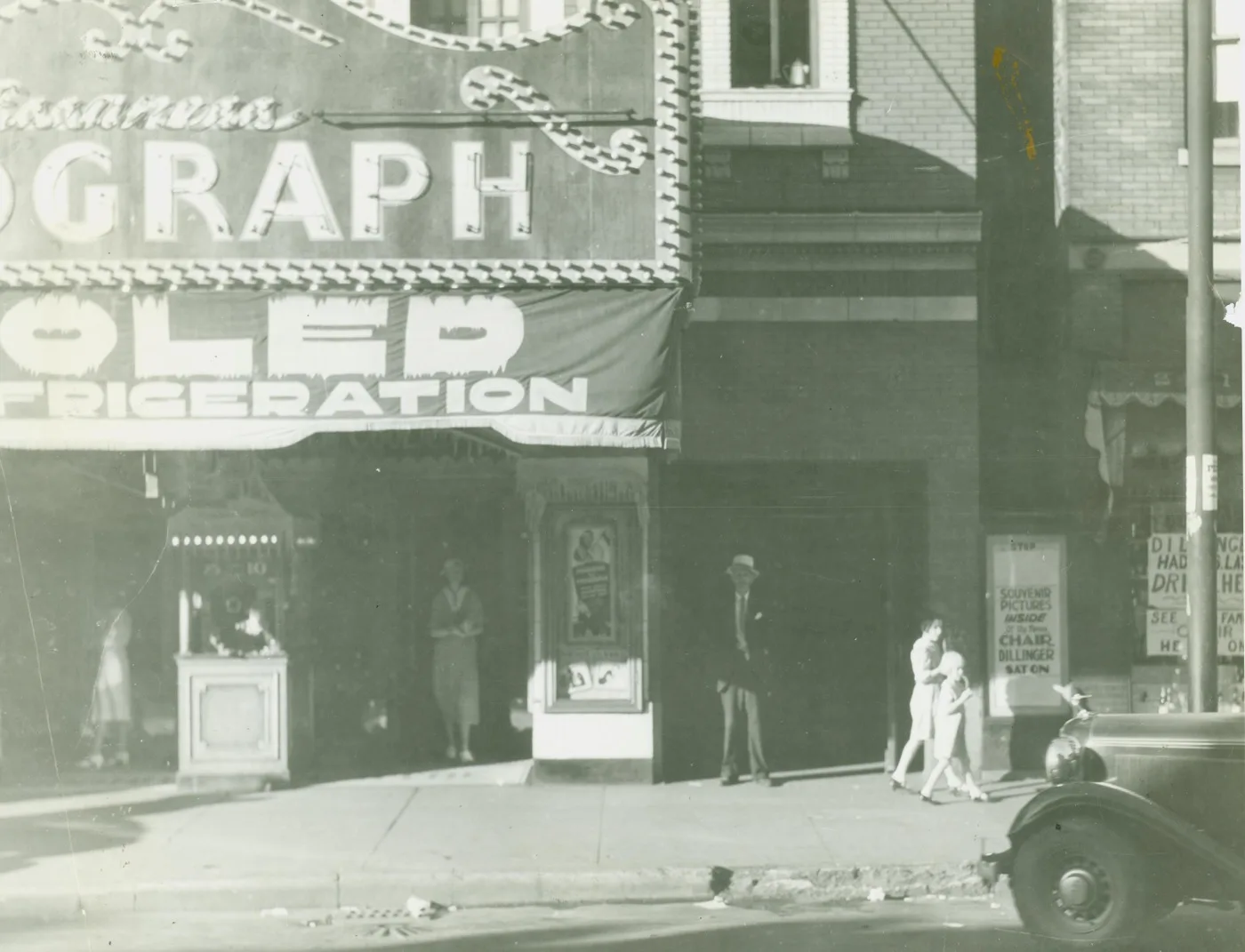
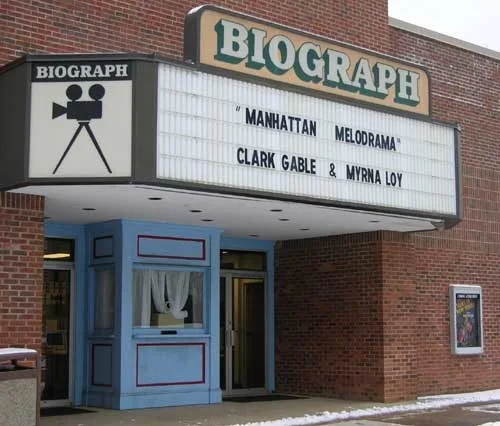
On the night of July 22, 1934, a man walked out of Chicago's Biograph Theater after watching Clark Gable in Manhattan Melodrama. He made it as far as the alley. The FBI was waiting.
J. Edgar Hoover said the dead man was John Dillinger, Public Enemy No. 1. Hoover was a famous liar, but this time America believed him.
That was more than 90 years ago. We are still taking his word for it.
Hoover's reputation is reason enough to ask questions. But there are better reasons, and they begin with the body.
The eyes were wrong. Dillinger's were blue. The dead man's were brown.
The autopsy report disappeared for 50 years. The fingerprint card disappeared too. Important things had a way of disappearing in this story.
In 2019, two of Dillinger's relatives proposed an unusual solution to the mystery: find out. They got a state permit to exhume the body and test its DNA. The cemetery wouldn't let them.
THE MAN THEY SAY THEY KILLED
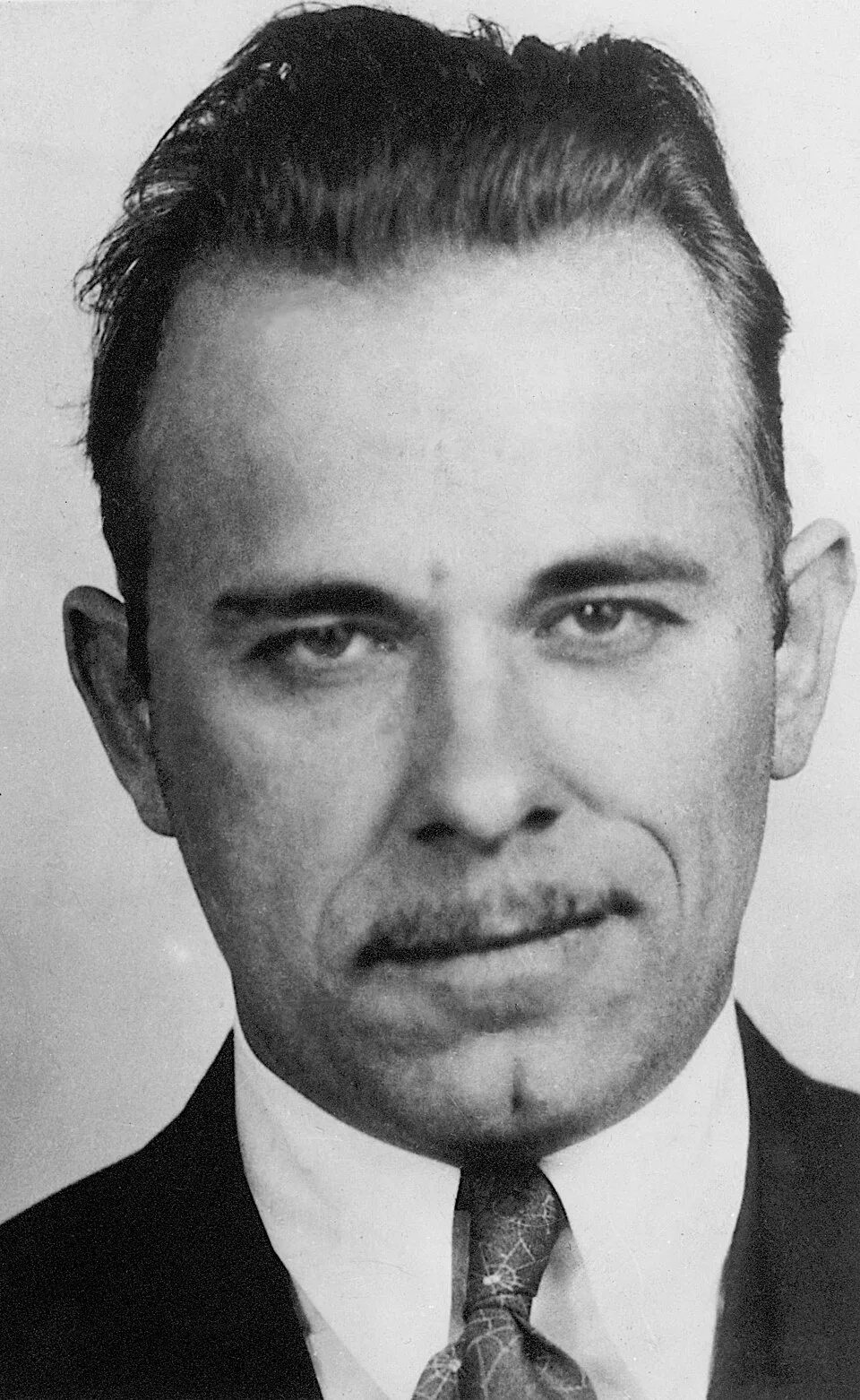
John Herbert Dillinger was born in Indianapolis in 1903. At 21, he robbed a grocer in Mooresville, pleaded guilty and received a sentence of 10 to 20 years. His older accomplice received far less. Dillinger emerged nine years later, (in 1933,) bitter and educated in crime by the bank robbers he had met in prison.
His gang robbed about two dozen banks, and for 13 months Dillinger was America's favorite criminal. It was the Depression. The banks were taking people's homes. Dillinger was taking the banks' money.
He had style, and people remember style.
He wore good suits and his hat at an angle and jumped bank counters like a boy jumping a fence.
They called him "Jackrabbit."
He joked with tellers. He was polite to customers. And (according to a story told for years,) when a farmer told him the cash in his hands belonged to him and not the bank, Dillinger said, "Then keep it. We only want the bank's money."
In those years, as men lost farms and homes to banks, a story like that traveled far.
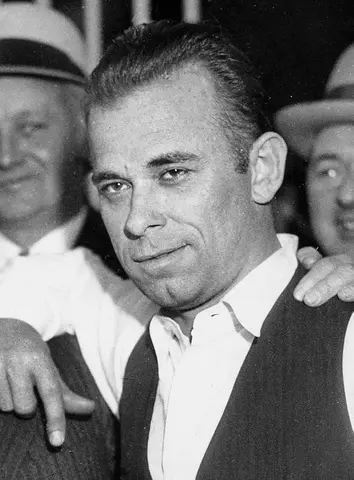
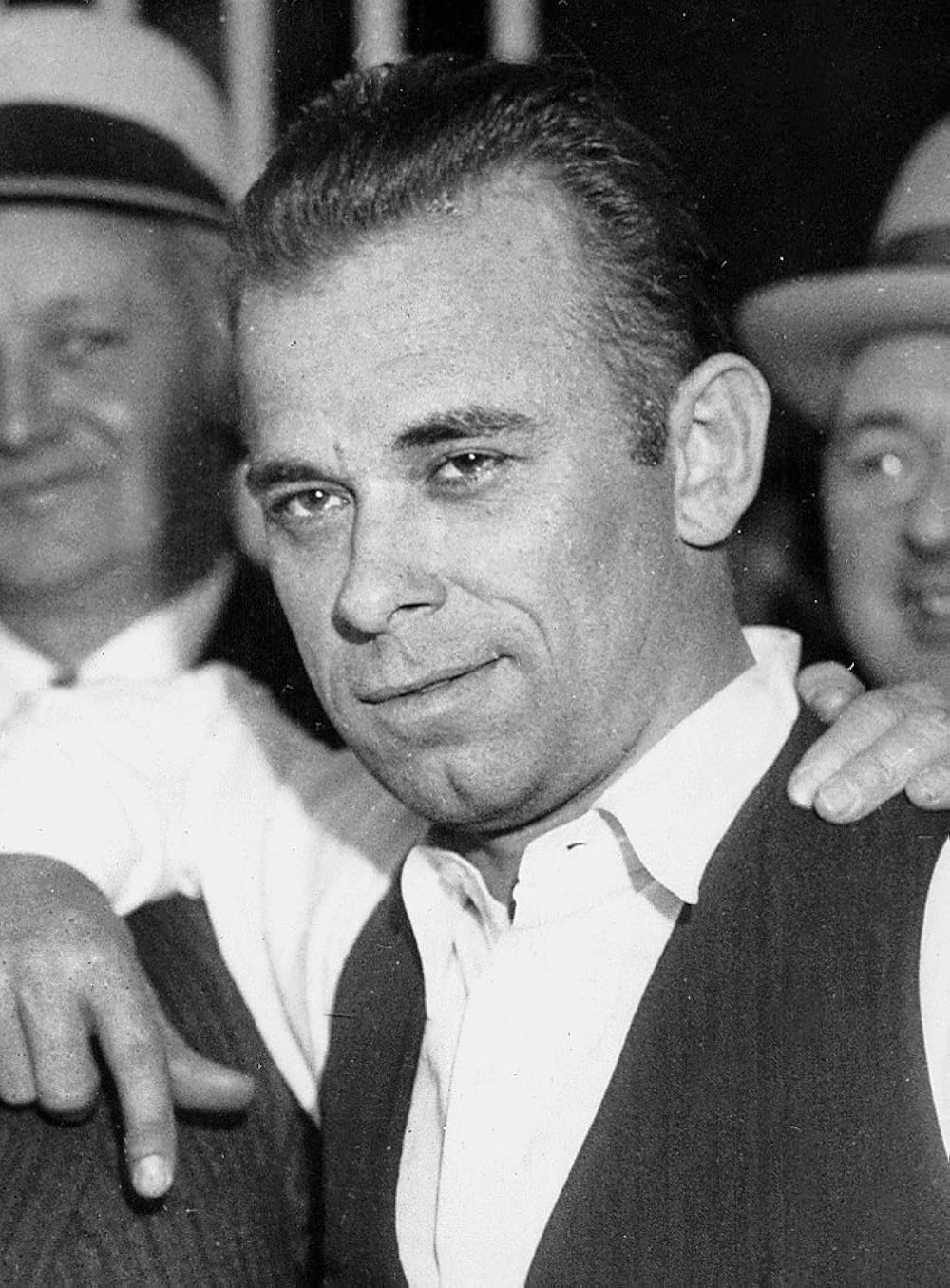
At Crown Point jail in 1934, Dillinger posed for photographers with his elbow resting on the prosecutor's shoulder. He was smiling. Five weeks later, he escaped after bluffing guards with what was said to be a wooden pistol, locked them in their own cells, and drove away in the sheriff's car.
Weeks before he died, or was said to have died, Dillinger had plastic surgery and tried to burn away his fingerprints with acid.
Hoover needed him dead.
At Little Bohemia in April 1934, Hoover's men had Dillinger almost within reach. They shot three innocent customers instead, killed Eugene Boisoneau, a Civilian Conservation Corps worker, and watched Dillinger escape out the back.
America laughed at the FBI. Hoover did not.
Crime writer Jay Robert Nash, who spent years on the case, argued that the FBI could not afford to kill the wrong man a second time. If the man in the alley was not Dillinger, the FBI had every reason to say he was. (So if the wrong man was dead in the alley, there was an obvious solution. Call him John Dillinger.)
THE EYES
Start with the simplest thing about a man: his eye color.
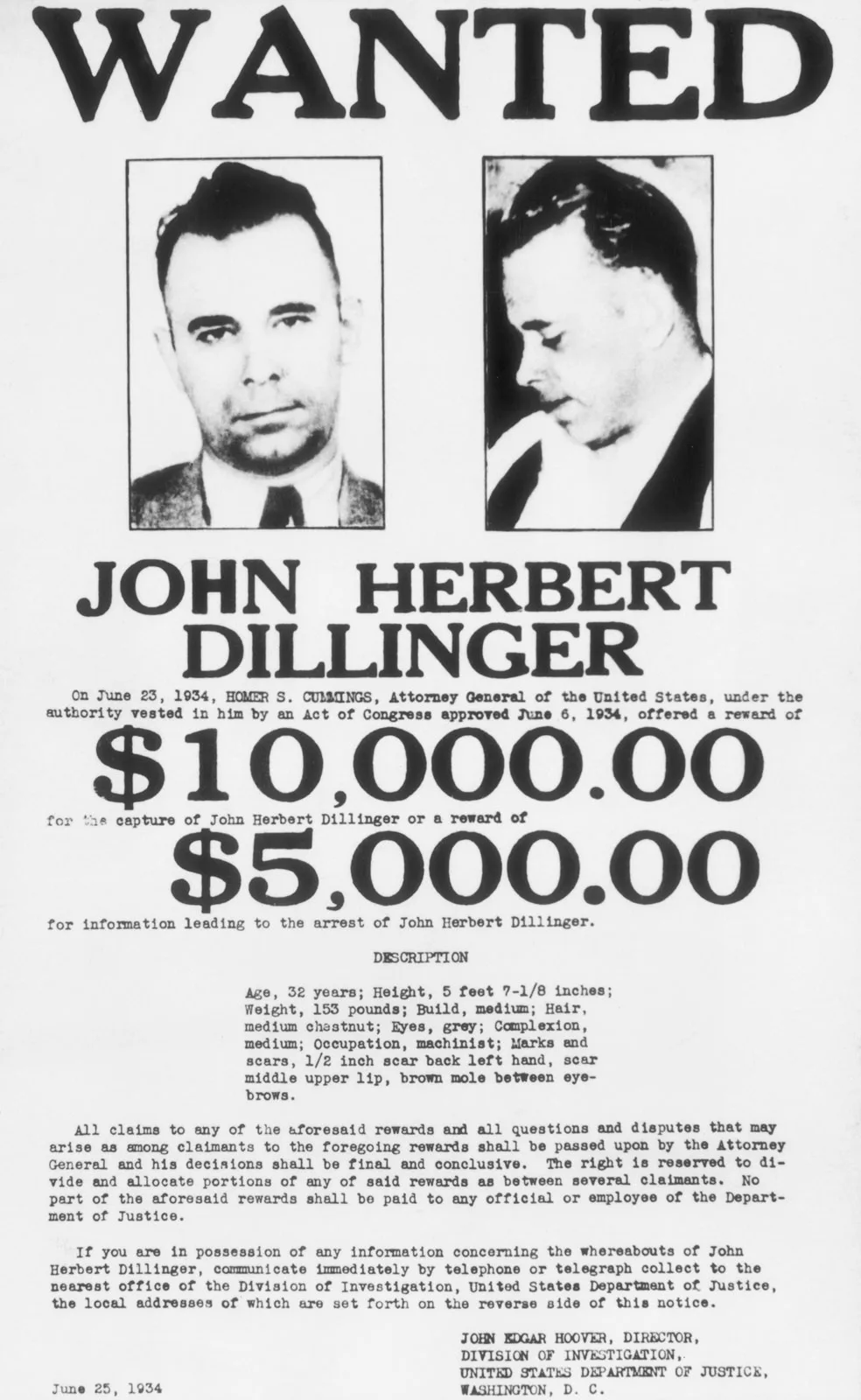
When Dillinger joined the Navy in 1923, his records listed his eyes as blue. Others described them as blue-gray.
In June 1934, a month before the Biograph, the FBI's own wanted poster, sent to post offices across America, described them as gray.
The doctors looking at the dead man wrote one word: brown.
When the missing coroner's report surfaced in 1984, former Cook County medical examiner Dr. Robert Stein dismissed the discrepancy. He said brown eyes didn't "mean a darn thing" because the cornea clouds after death and can make iris color hard to determine. That is possible.
There is no known process by which dying turns blue eyes brown. A dead eye can become cloudy. It can become hard to read. But "hard to read" is not what the report says. The report says "brown."
In 2019, Dillinger's nephew and niece asked permission to dig up the body. Their first reason was the eyes. Eighty-five years had not made blue and brown the same color.
Then there was Jimmy Lawrence. That was the name Dillinger used with Polly Hamilton. Nash said there really was a Jimmy Lawrence, a small-time hood who looked enough like Dillinger to become the corpse in his grave. Skeptics say Jimmy Lawrence was just an alias. Nobody knows what color Lawrence's eyes were.
DNA doesn't care what name a man used.
THE MISSING PAPERS
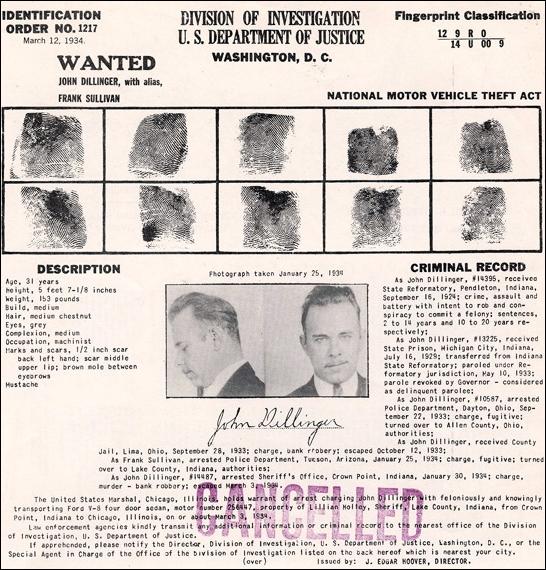
If you wanted to make sure nobody could check your work, you'd lose the paperwork. In the Dillinger case, the paperwork got lost.
The autopsy report vanished, Nash said, on the very day it was filed. Fifty years passed. Then, in 1984, it reappeared in a brown paper bag at the Cook County Medical Examiner's office.
The fingerprint card was missing for more than 30 years. Fingerprints were supposed to be the evidence that settled everything.
Then there's Melvin Purvis's report. He was the FBI agent in charge that night. He wrote nine pages about what happened. Nash said the FBI no longer has them.
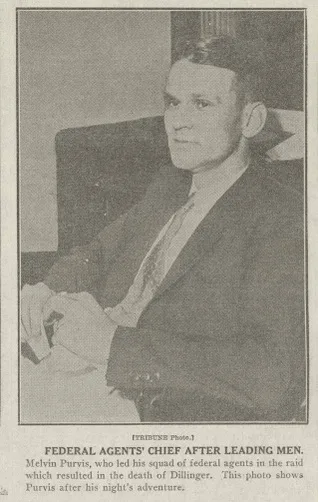
Three records. Three disappearances. Each one mattered if you wanted to check Hoover's story.
The FBI's strongest answer is the fingerprints. It says the prints from the dead man matched Dillinger's and today dismisses the theory of a substitute body as a "myth."
Nash said there was one difficulty with that answer: no FBI agent ever took the corpse's fingerprints.
The FBI, not known for scrupulous adherence ot the truth, tells it differently.
It says its agents took two sets of the dead man’s fingerprints right after the shooting, that a third set was taken at the autopsy, and that all of them matched. But every one of those cards passed through the hands of the FBI, the Chicago police and an East Chicago sergeant with reasons of his own. And the Cook County card went missing for 30 years.
Nash traced the card not to an FBI agent at the morgue but to East Chicago Sgt. Martin Zarkovich, a man close to Anna Sage. Nash said Zarkovich produced a Chicago police card bearing Dillinger's real prints and Purvis marked it "FBI." If so, the card identified Dillinger. It did not identify the dead man.
In 2019, his relatives stated under oath that the fingerprints did not match.
And weeks before the Biograph, Dillinger had poured acid on his fingertips to destroy the very evidence the FBI later said identified him. Maybe it didn't work. But if it worked at all, why did the dead man's prints match the old ones so neatly?
THE FACE, THE EARS AND THE HEART
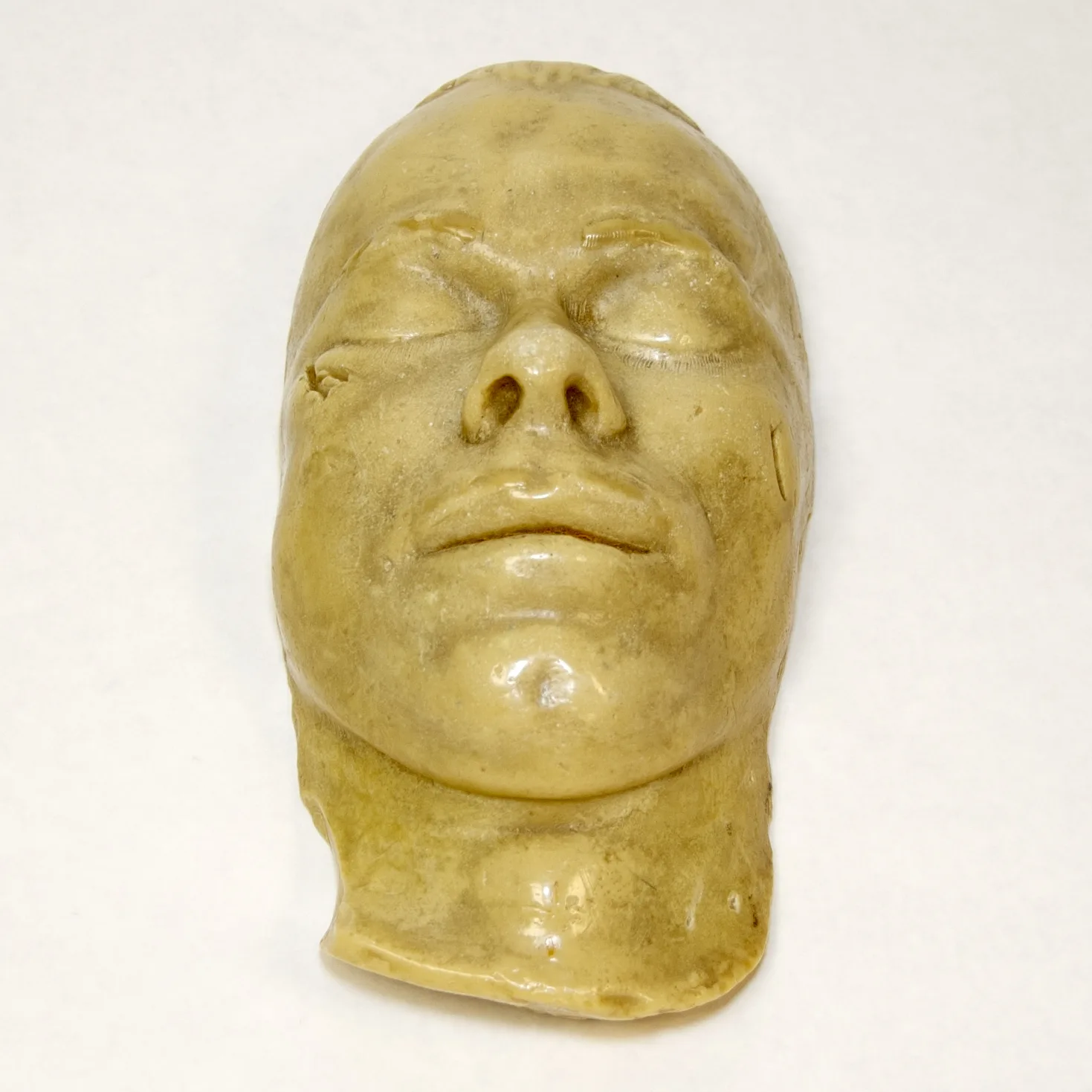
The ears. Ears don't change with plastic surgery, and they don't change after death. Dillinger's relatives said in 2019 that the dead man's ears were shaped differently from Dillinger's.
The face. According to Nash, when Purvis rolled the body over, he said, "That doesn't look like Dillinger." Then Purvis explained the difference away: "Neat bit of plastic surgery, that!"
There had been surgery, but apparently not enough to make John Dillinger stop looking like John Dillinger. Dr. Wilhelm Loeser removed moles and scars, filled his chin cleft and changed his nose. Dillinger saw the result and reportedly said, "Hell, I don't look any different than I did!"
In May, the surgery didn't make Dillinger look different. In July, the same surgery explained why Dillinger looked different. This is a very useful kind of surgery.
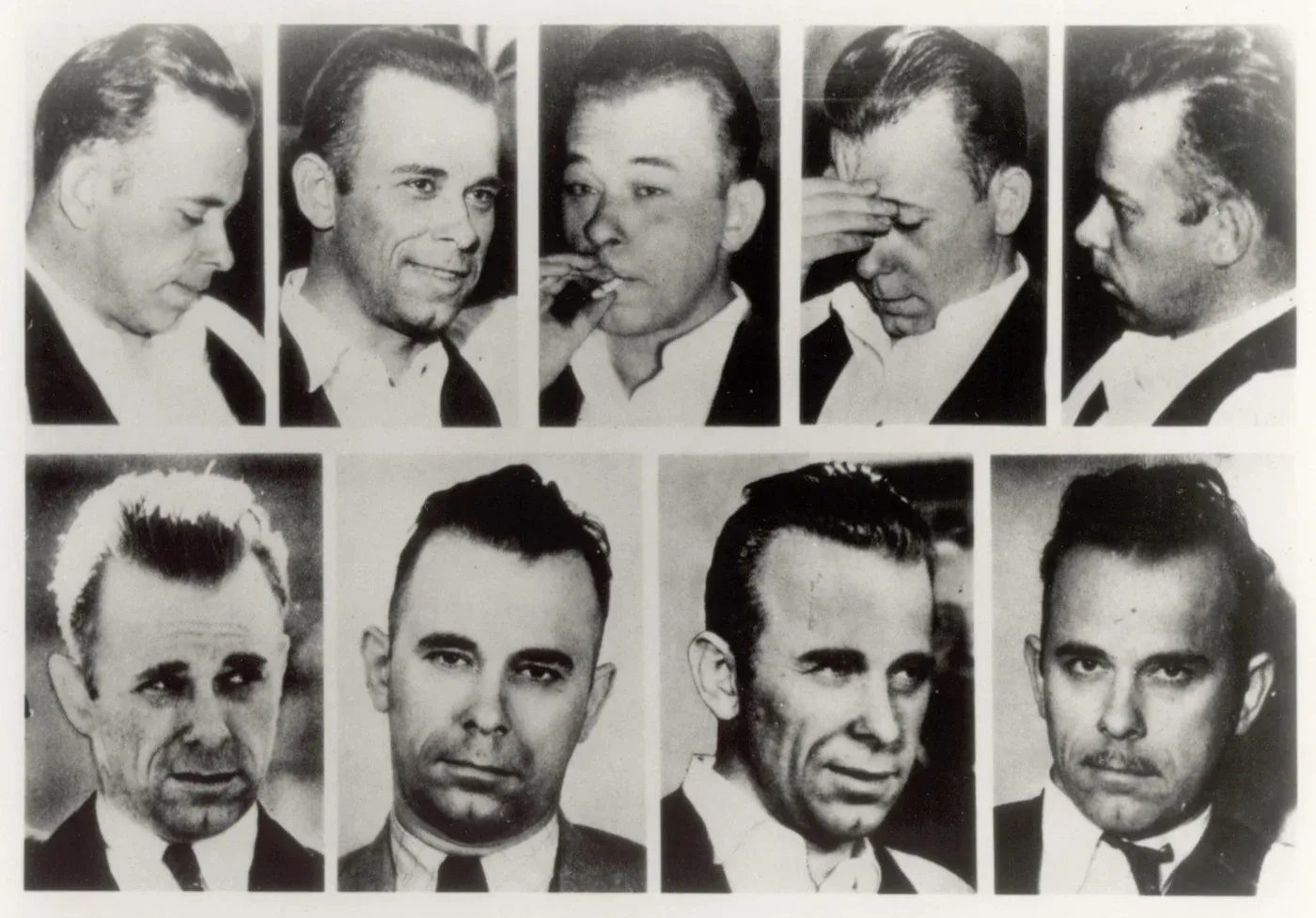
Nash said that within hours, two pathologists told Purvis something nobody at the FBI wanted to hear: the dead man could not be Dillinger.
The scars. Nash said the pathologists didn't find Dillinger's well-known scars and old bullet wounds.
The heart. The autopsy found a damaged heart. Nash argued that a man with a bad heart since childhood couldn't have played semi-pro baseball or vaulted over bank counters the way Dillinger did.
Dillinger's relatives also cited the disputed heart condition in their 2019 request.
In fairness, a prison doctor who treated Dillinger wrote in 1938 that he had heart disease. But that letter came four years after the shooting, after the FBI's version was settled.
THE FAMILY
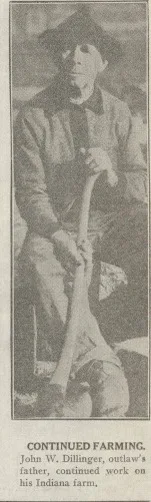
His father and his sister Audrey eventually said the dead man was John Dillinger.
Neither of Dillinger's closest relatives knew him at first sight. His father's first words were, "That's not my boy."
His sister Audrey didn't believe it either. She changed her mind at the Harvey Funeral Home in Mooresville only after the undertaker pointed her to an old scar on the back of the thigh, from a childhood run-in with a barbed-wire fence. Nobody can say for sure whether she actually looked at it herself. One account says only that she "allegedly" did.
His father said no before he said yes. His sister needed someone to tell her where to look. Ninety years later, all of that has been shortened to four words: the family identified him.
If they thought John was still alive, there was one last thing a father and sister could do for him. They could tell the world he was dead.
Travis Thompson, Dillinger's great nephew and a police officer, has studied the old family photographs.
Afterward, his great-grandfather and his grandmother went on a traveling ‘Crime Doesn’t Pay’ tour by train across the Midwest, alongside the mother of Bonnie Parker of Bonnie and Clyde. ‘The family did not look like they were mourning,’ he said.
Dillinger's father put concrete and steel over the grave. There was reason to fear grave robbers; one showman offered $10,000 for the body. The family said that was why. Nash believed the old man had another reason: whatever was buried there was meant to stay buried.
THE MAN WHO GOT AWAY?
If Dillinger wasn't dead in that alley, somebody else was.
Nash said it was Jimmy Lawrence. A con man called "Blackie" Audett said Lawrence had been paid several thousand dollars to pose as Dillinger, and Chicago Police Sgt. Martin Zarkovich received $10,000 or more. This information came from a con man, which is worth remembering.
Dillinger?
Nash said Dillinger became a machinist in California and lived for years after his official death. Around 1960, he said, somebody sent Purvis photographs and fingerprints of an older Dillinger. Purvis died from a gunshot wound that same year. Authorities called it suicide. That timing proves nothing. It is nevertheless part of the story.
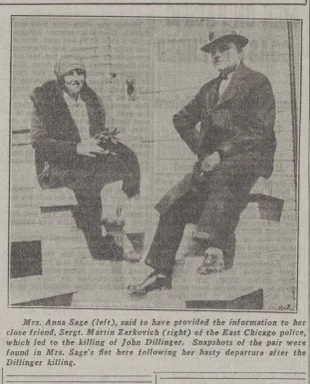
At the center of the ambush was a cop with something to hide. Sgt. Martin Zarkovich of the East Chicago police had a long, tangled relationship with Anna Sage, the woman who supposedly sold out Dillinger.
An Indiana State Police captain reportedly believed Zarkovich and Sage had helped Dillinger escape from Crown Point. Historians say the East Chicago officers wanted Dillinger dead, not arrested. A dead man can't tell anyone who helped him.
UNLESS HE BOUGHT IT
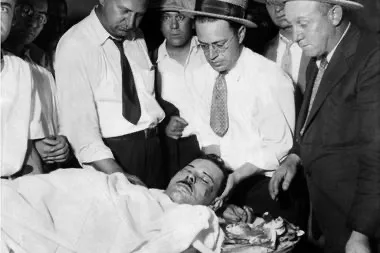
And if the dead man was somebody else, the living John Dillinger had been handed something no fugitive could buy: his own death.
Unless he bought it.
He had the money. His gang took hundreds of thousands of dollars in the middle of the Depression. He had a lawyer, Louis Piquett, who had already arranged his hideouts and paid a doctor $5,000 to change his face.
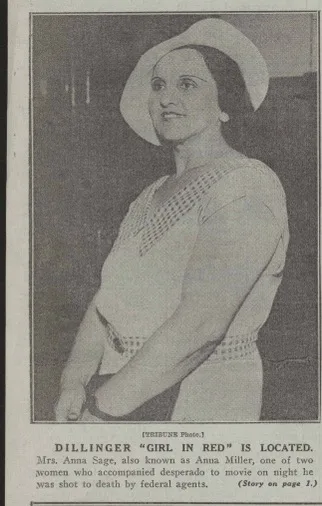
And the people around the Biograph that night were for sale: a madam facing deportation, and a cop with underworld friends.
Was it odd that America's most wanted man went to the movies?
Not for Dillinger. He went to Cubs games at Wrigley Field. He danced in Chicago nightclubs. In April, with every cop in the Midwest hunting him, he went home to Mooresville for Sunday dinner at his father's farm.
That's the point. Everybody knew Dillinger went out on the town. If you wanted to stage his death, that's exactly where you'd put the man you were going to kill: a neighborhood theater, a hot July night, a woman on each arm.
And when police went through the dead man's pockets, they found a little over seven dollars. America's most famous bank robber, out on the town, with less than eight dollars on him.
None of that proves a thing. But it raises a question the FBI has never had to answer, because nobody has ever been allowed to test the bones.
THE TEST NOBODY WILL ALLOW
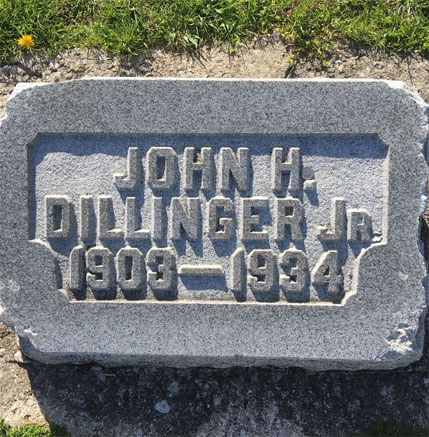
In 2019, Mike Thompson, Dillinger's nephew, got a permit from the Indiana State Department of Health to exhume the body for DNA testing.
Crown Hill Cemetery refused to permit the exhumation.
Travis Thompson says the cemetery didn’t turn on the family by itself.
‘When we were working with the History Channel, trying to get a TV series going, the FBI showed up at Crown Hill Cemetery, demanding all the records,’ he said. After that, he said, the cemetery stopped cooperating.
‘To me, if the FBI had nothing to hide, they wouldn’t be going out of their way, 80-something years later, to kind of railroad this investigation,’ Thompson said.
Mike Thompson sued. Crown Hill said opening the grave would threaten the cemetery's "safety and integrity" and disturb its "peaceful tranquility." Some relatives objected. Its lawyers called the mystery a conspiracy theory. None of those arguments answered the question of whose body was in the grave.
In December 2019, Marion County Superior Court Judge Timothy Oakes threw out the case. He said in court that he didn't “buy into the cemetery's reasons." But under Indiana law, the cemetery's consent is required, and the cemetery doesn't need a rational reason to refuse.
So Oakes ruled for Crown Hill.
The tranquility argument is difficult to take seriously. Crown Hill is an operating cemetery where graves are routinely opened. A supervised exhumation under state authority would hardly be an unprecedented disturbance.
The cemetery had reasons it didn't put in its court papers.
Dillinger's grave is one of its best-known attractions. If the grave turned out to hold Jimmy Lawrence, the headline would read, "Crown Hill's Dillinger Grave Holds the Wrong Man."
This would be bad for business.
SETTLE IT
If the FBI, the cemetery, and everyone else are so certain the man in that grave is John Dillinger, why not let the test happen?
Travis Thompson says there’s no reason a court couldn’t order it. ‘If this was a legit case of identifying someone,’ he said, ‘there’s enough evidence here to get a court order to exhume the body to determine if it was him or not.’
He isn’t alone. He says his doubts are shared by his father, another researcher and a retired FBI agent, Stewart Fillmore of Tyler.”
There are only two outcomes. If the DNA is Dillinger's, the FBI was right, and the doubters were wrong. If it isn't, the doubters were right, and one of the FBI's great triumphs wasn't a triumph. Science is unpleasantly indifferent about which side prefers which answer.
America gets something better than a legend. It gets the truth.
Only the people who are wrong lose from a test.
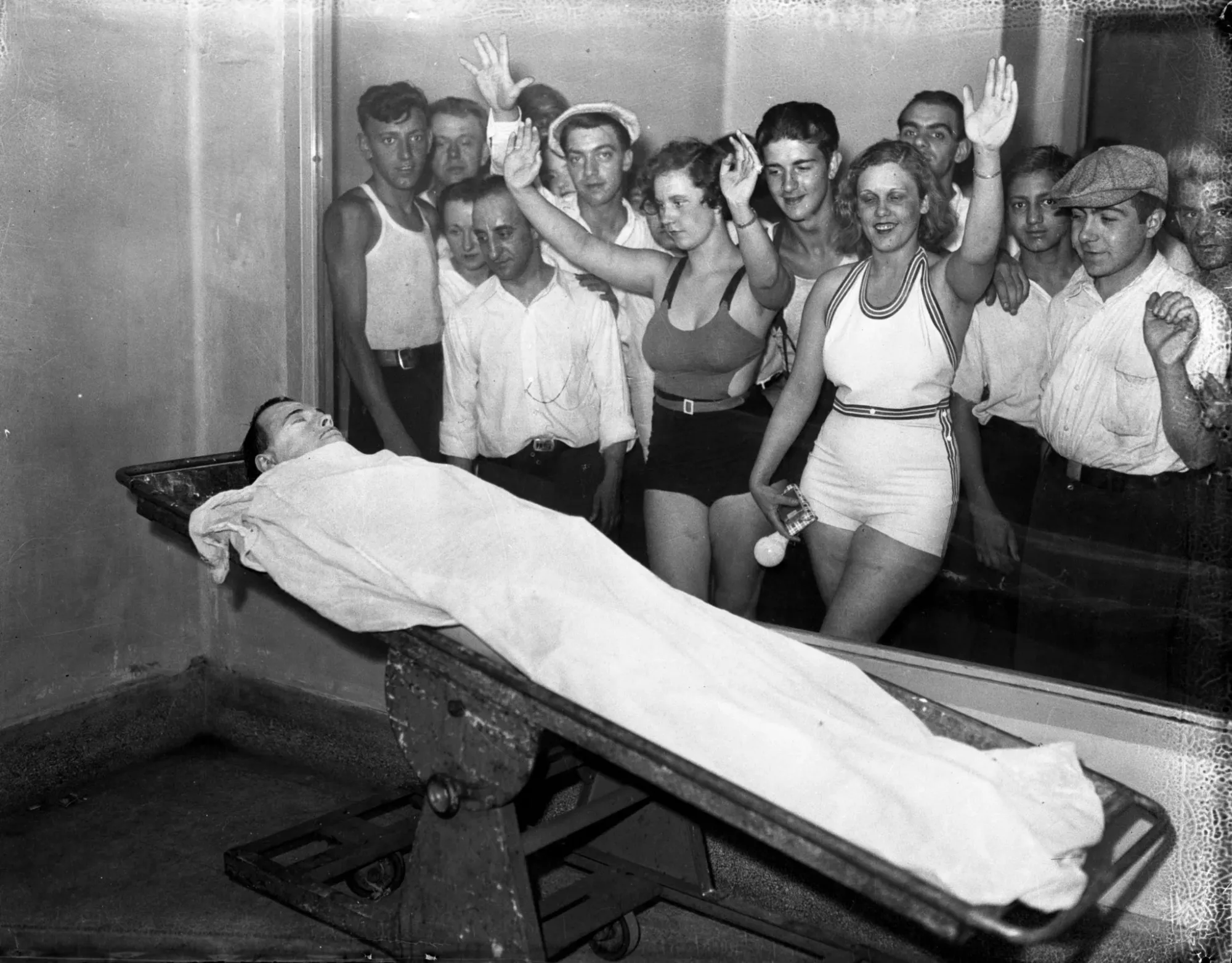
People like the escape story for a reason. Dillinger had already escaped from jail with a wooden gun. Dying in an alley with the wrong color eyes while your father says you aren't you is a less satisfying ending. Unfortunately, satisfying endings are not evidence.
John Dillinger was born in 1903. So one fact in this story nobody needs DNA to establish is that John Dillinger is dead.
Maybe he died at 31 in a Chicago alley, exactly where the FBI said he did.
Or maybe he got away. Nash said California. Maybe he went farther. Mexico was not far, and in those days a man with a little money and a reason not to look back could cross a border and become somebody else.
Maybe South America. Maybe a ship going somewhere a man's old name didn't matter.
Maybe he had another 40 years. Another name. A job. A woman beside him who knew enough about the past not to ask. Maybe his hair went gray, and his hands got old.
And once a year, in July, maybe he opened an American newspaper and read about the night John Dillinger died in Chicago. Then he folded the paper, drank his coffee, and smiled.
It's not too late to find out. Dig him up.
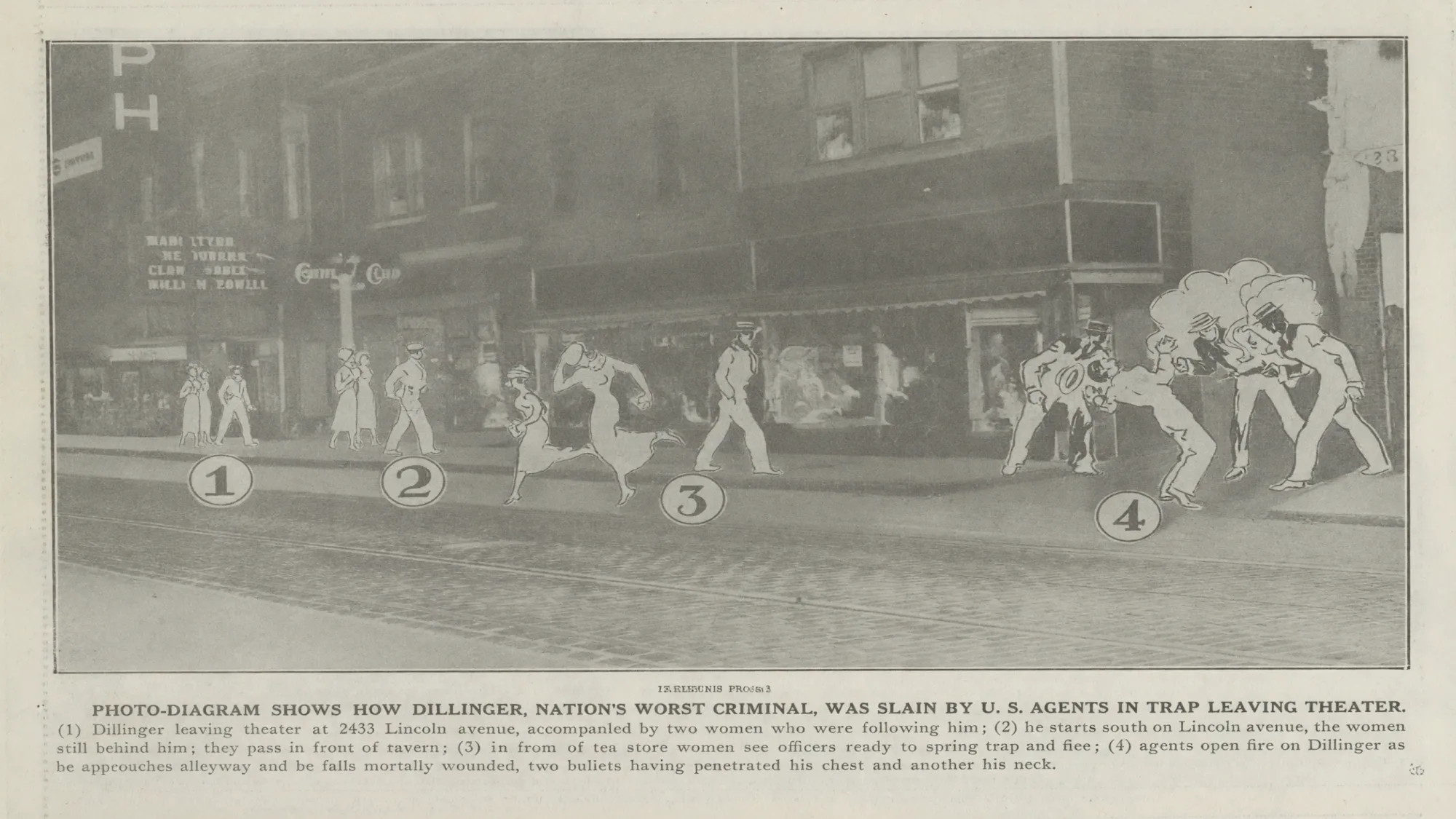
On July 22, 1934, John Dillinger was purportedly killed by federal agents outside the Biograph Theater in Chicago. Dillinger’s alleged death drew a mixed reaction. Bystanders rushed to the alley to soak their handkerchiefs in the dead man’s blood, and some 5,000 people turned out for his funeral despite efforts to keep it secret. Many saw him as a ruthless criminal. But one man wrote to The New York Times: ‘He wasn’t any worse than the bankers and politicians who took poor people’s money. Dillinger did not rob poor people. He robbed those who became rich by robbing the poor.’
IRONY