Crucial Drug Discount Program at Risk
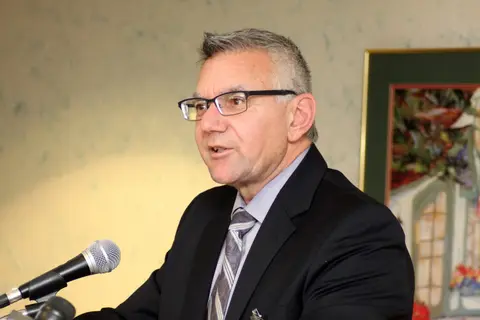
By Joseph A. Ruffolo, President & CEO
Niagara Falls Memorial Medical Center
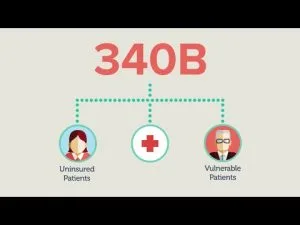
Niagara Falls Memorial Medical Center is a safety-net facility. That means we treat all sick people regardless of their ability to pay. Many of our patients are on Medicaid, Medicare or lack health insurance altogether. A little-known federal statute called the 340B drug discount program helps us care for the neediest in our community.
Signed into law by President George H.W. Bush in 1992, the program requires drug companies to sell discounted medications to healthcare providers that serve high numbers of low-income Medicare and Medicaid patients or are located in remote rural areas. These safety-net hospitals pass the discounts on to needy patients and also use savings from the program to fund cancer, HIV/AIDS, diabetes and primary care clinics that help the underserved.
Unfortunately, this critically important program is at risk. In recent years, pharmaceutical manufacturers have become less willing to share their profits to help those in need, and now they want to scale back the 340B program in Washington by limiting hospital and patient eligibility. They’ve taken this position even though 340B drugs amount to just 2 percent of the $457 billion annual U.S. pharmaceutical market.
Niagara Falls Memorial Medical Center will save approximately $400,000 this year thanks to the program. In order to serve all who walk in our door, we provide $2 million per year in charity and uncompensated care. The program has also helped us fund the Wellness Connection Center behavioral health program and offsets the cost of our dedicated psychiatric emergency department.
Treating patients with limited or no financial means is enormously expensive. Hospitals in the 340B program serve nearly twice as many needy patients as other providers. They also supply nearly 60 percent of all uncompensated care.
It’s important to understand that 340B is not taxpayer funded – instead it requires very profitable drug companies to give a discount to health care providers that serve our most vulnerable citizens. Simply put, these companies can afford to help. If the program were significantly reduced or eliminated, Niagara Falls Memorial Medical Center would be forced to cut back drug access and clinical care to the needy.
Our community deserves better. Please reach out to your local member of Congress and U.S. senator today to express the need for the continuation of the 340B program.