Musa Hilal’s Top Adviser Speaks on Sudan’s War, Hemedti, and the Road to Peace
Sudan’s civil war has produced countless military analyses and diplomatic proposals. Far fewer conversations have taken place with the political figures whose relationships and rivalries helped shape the conflict long before the first shots were fired in April 2023.
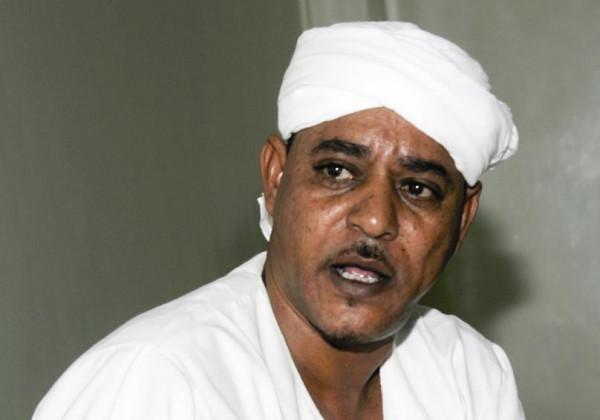
One of those figures is Dr. Abdulrahman Hassan Saeed, Secretary-General of the Revolutionary Awakening Council and longtime adviser to Sheikh Musa Hilal, the influential Darfur tribal leader whose falling-out with former President Omar al-Bashir and later with Mohamed Hamdan Dagalo, better known as Hemedti, altered the balance of power in western Sudan.
In a lengthy interview, Saeed offered his account of how the Rapid Support Forces (RSF) evolved from a government-backed security force into an independent military and political actor. He discussed Musa Hilal’s years-long dispute with Khartoum, the creation of the RSF, the role of former National Congress Party officials, and what he believes must happen before Sudan can achieve a durable peace.
Some of Saeed’s claims reflect his own analysis and remain disputed. Others raise questions that continue to shape Sudan’s political debate.
“The RSF Was Created as an Alternative”
According to Saeed, the origins of today’s conflict can be traced back more than a decade.
He said the Revolutionary Awakening Council began in 2007 as a reform movement seeking political and economic change in Darfur while criticizing government corruption.

Click here to learn about Nate!
That reform agenda, he argued, gradually placed Sheikh Musa Hilal at odds with President Omar al-Bashir’s administration.
“The Sheikh was never someone who accepted orders simply because they came from above,” Saeed said. “He believed corruption had to be confronted.”
Saeed contends that the government’s decision to establish the Rapid Support Forces fundamentally altered Sudan’s political and military landscape.
He argues that Hemedti was elevated as a counterweight to existing security structures, including the Border Guards, which Hilal had helped organize.
According to Saeed, Hilal repeatedly warned Bashir that creating a parallel military structure outside the traditional chain of command would ultimately threaten the Sudanese state itself.
The Arrest of Musa Hilal
Those disagreements eventually culminated in Hilal’s arrest.
Saeed said Hilal was detained for more than three years following accusations of rebellion and conspiracy. During that period, many members of the Border Guards were incorporated into the RSF.
He also described unsuccessful mediation efforts involving Professor Ibrahim Ghandour, saying attempts to reconcile Hilal with Bashir ultimately collapsed.
Negotiating After a Civil War
One of the interview’s most revealing moments came when Saeed discussed current proposals for political dialogue.
Rather than rejecting negotiations outright, he questioned their premise.
“Who is the government negotiating with?” he asked.
“Is it negotiating with the RSF leadership? Political organizations aligned with them? Or outside actors accused of supporting the conflict?”
For Saeed, identifying the negotiating partner is more than semantics.
He argues that any future settlement must distinguish between Sudanese combatants who belonged to state institutions before April 15, 2023, and foreign fighters whom he alleges entered the conflict later.
He also insists that any political agreement should preserve accountability for those responsible for war crimes while allowing broader national reconciliation.
Hemedti’s Rise
Saeed attributes Hemedti’s rise to decisions made inside the Bashir government, arguing that political leaders empowered him to counter rebel movements in Darfur.
He further alleges that the RSF’s economic influence expanded through wartime revenues, gold mining, and cross-border commercial activity.
Those claims reflect Saeed’s perspective and remain part of a wider debate over the financial foundations of the RSF.
When asked where Hemedti is today, Saeed said he could not verify reports that have placed the RSF commander in any specific location since the war began.
What Comes Next?
Despite the interview’s focus on military history and political rivalries, Saeed repeatedly returned to one subject: reconciliation.
He argued that Sudan cannot rebuild through collective blame directed at entire tribes or communities.
Justice, he said, must be individual.
Reconciliation, he believes, will require rebuilding confidence in national institutions while ensuring accountability for those responsible for crimes committed during the war.
Whether that vision can become reality remains uncertain.
But interviews like this offer a rare window into how one of Darfur’s most influential political movements interprets the conflict—and how its leaders believe Sudan may eventually emerge from it.