SARACENO: Evolving Court System Mandates an Experienced Judiciary

Click the link below to subscribe to SPECIAL REPORTS from the Niagara Reporter
http://eepurl.com/dnsYM9
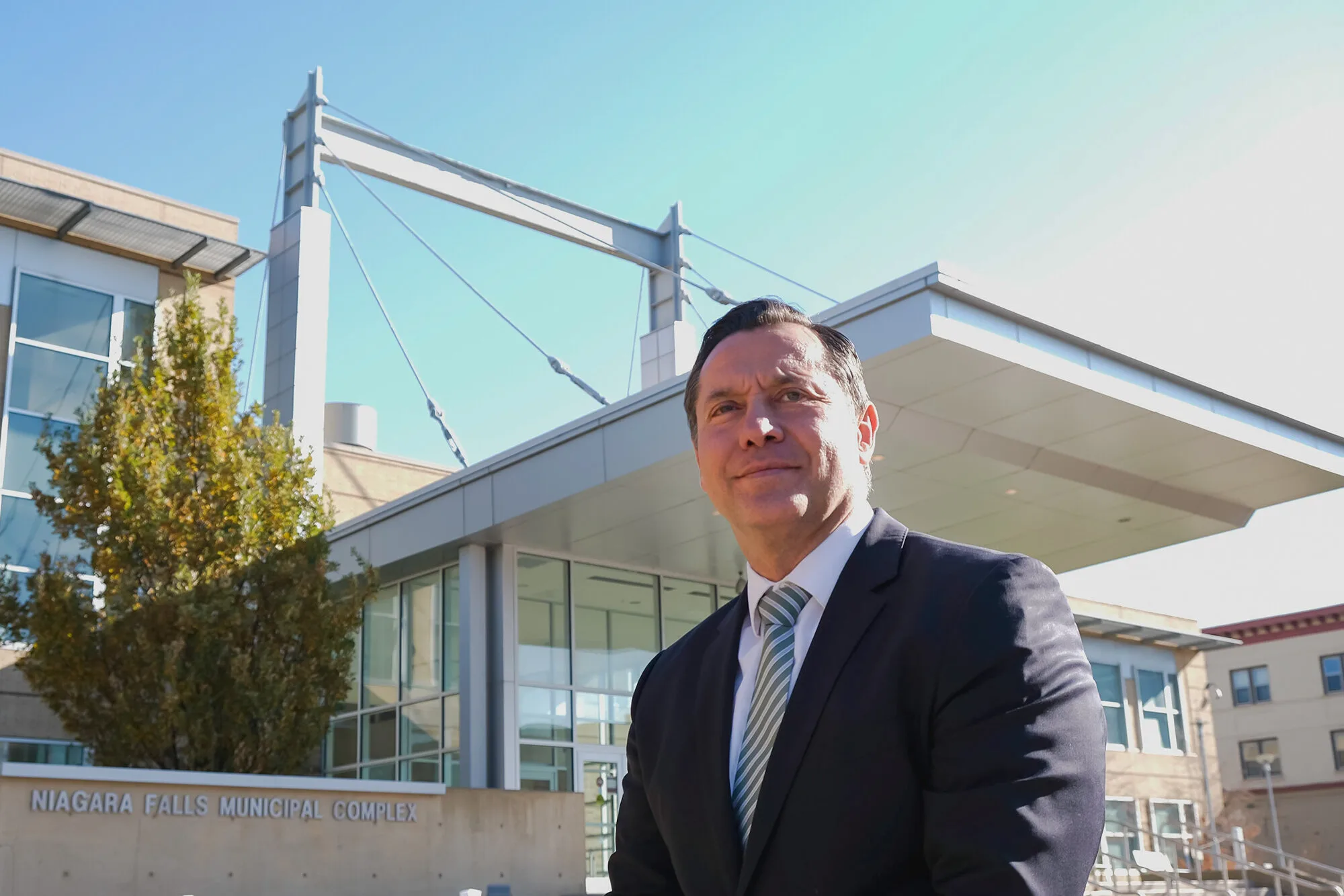
By: Dominic Saraceno
Candidate for Niagara Falls City Court Judge
Over the last two decades the New York Unified Court System, overseen by the Office of Court Administration, has evolved into a complex structure with nearly all levels of courts being intertwined. This is a stark contrast from the past when an elected judge would not be expected to serve anywhere but the bench he or she chose to seek.
In Niagara Falls City Court, many of the judges are now acting county court judges, acting family court judges, and serve as youth court judges. As a result, judges serving in City Court must now have the experience and knowledge to serve in all levels of courts. The days of handling only misdemeanor level offenses in City Court are far removed.
The Honorable Diane Vitello, for instance, is currently presiding over two homicide cases in Niagara Falls City Court. Other judges (sitting as acting county court judges) are required to preside over serious felony matters every day. It is now common for City Court judges to even be transferred to family court to handle difficult matters dealing with custody, abuse, and child neglect matters.
Even when NOT acting in another capacity, it is crucial that city court judges have extensive experience dealing with felony matters because every crime in Niagara Falls will start out in City Court. City Court is the front lines in the quest for justice. Even though violent felonies may eventually be transferred to a higher court in Lockport, a City Court judge will be required to assess bail and conduct preliminary hearings. A City Court judge will always leave a first impression on these matters.
Additionally, the legislature has instituted several reforms dealing with restorative justice. Restorative justice deals with mending the harm caused by crime. Crime involves more than just a person committing an illegal act against another person. Crime harms the entire community. Restorative justice aims to mend the damage caused to the community and the victims within. This process can include requiring defendants to make financial restitution for the damage they have caused. Restorative justice can also result in defendants being required to face their victims so that they can fully appreciate the harm they have done to them. This undertaking is complex and is most effective when judges feel bound to use every resource available to them to make the community whole.
In summary, we have seen many changes to the way courts deal with crime and judges are required to abide by these developing methodologies. My 20 years of experience as a criminal trial lawyer in all levels of courts allows me to effectively utilize these evolving approaches with a focus on rehabilitating our city.