
How Can Proper Insulation Improve Comfort Inside Your House?
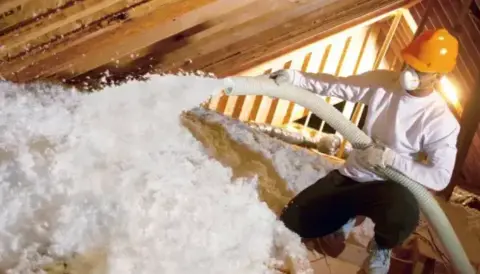
Have you ever noticed that your bedroom feels too hot in summer while another room stays cool?
Perhaps your floors feel cold in winter, or drafts make it difficult to relax near an outside wall. These issues can lead to an uncomfortable house whether you are heating or cooling.
To address these issues, proper insulation comes into play and acts as a barrier to heat transfer from walls, ceilings, floors, and other areas of the building structure. When combined with effective air sealing, it can also limit unwanted drafts and help maintain more consistent indoor temperatures.
However, the right insulation improvements depend on your home's construction, existing insulation, and the areas where comfort problems occur.
With that in mind, here are five ways insulation works to improve indoor comfort, from controlling heat transfer to limiting drafts and reducing unwanted noise.
1. Slow Heat Transfer Through Walls and Ceilings
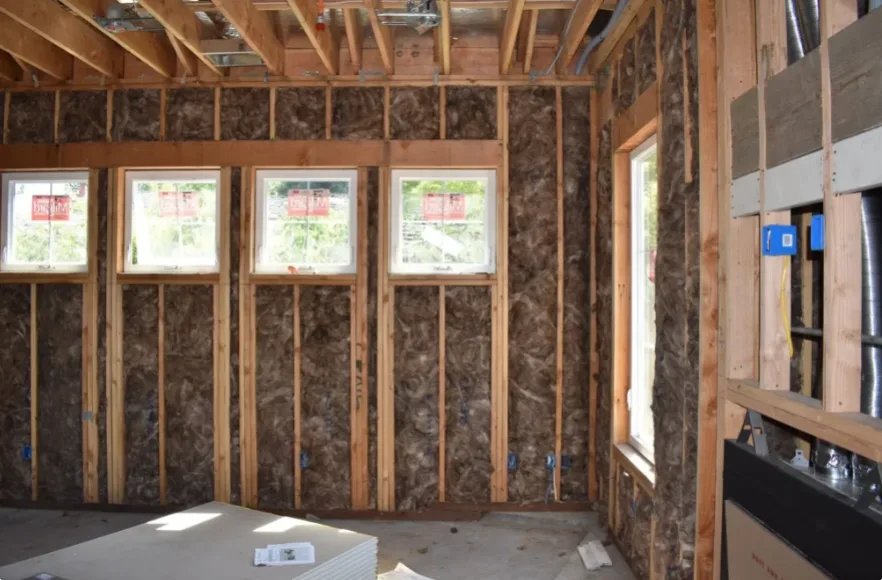
Heat naturally moves from warmer areas to cooler ones. During winter, indoor heat can escape through poorly insulated walls and ceilings. In summer, outdoor heat can enter the home through the same surfaces, making it harder to maintain comfortable indoor temperatures.
Insulation helps address this problem by slowing heat flow through the building structure. Materials such as fiberglass batts, blown-in insulation, and spray foam provide resistance to heat transfer. The most suitable option depends on the home's construction, the areas requiring improvement, and the desired thermal performance.
With properly installed insulation, indoor temperatures can remain more stable as outdoor conditions change. If certain rooms remain uncomfortable, house insulation contractors can assess the existing insulation and identify areas where upgrades may help. However, windows, air leakage, sunlight, and HVAC performance also influence overall indoor comfort.
2. Control Air Leaks Around the Building Envelope
Even a well-insulated room can feel uncomfortable when outside air enters through gaps around windows, doors, plumbing penetrations, or attic access points. For example, cold air can create drafts during winter, while warm air entering through the same openings can increase the cooling load in summer.
To address these leaks, air sealing helps close gaps and cracks in the building envelope, reducing unwanted air movement. Weatherstripping, sealants, or spray foam may be suitable, depending on the location. Insulation complements these measures by slowing heat transfer through walls, ceilings, and floors, helping maintain more consistent indoor temperatures.
However, reducing air leaks does not mean eliminating the need for fresh air. Homes still require adequate ventilation to maintain indoor air quality and manage moisture. Combining effective air sealing with suitable insulation and proper ventilation helps create a more comfortable indoor environment.
3. Reduce Heat Loss Through Floors and Roofs
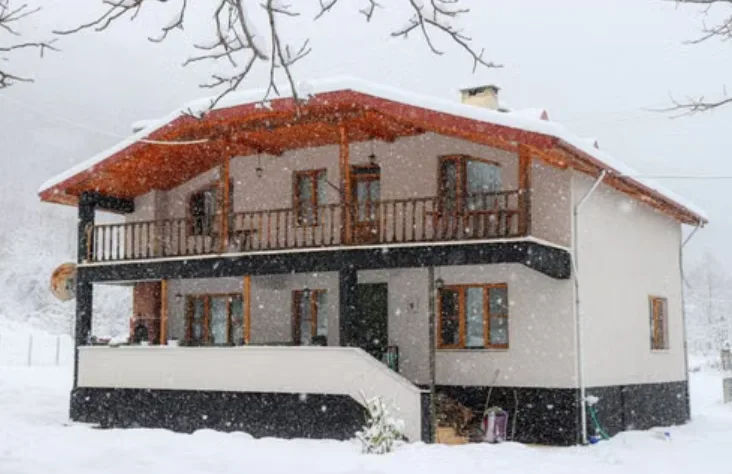
Floors above unheated crawl spaces, garages, or other cold areas can become uncomfortable during winter. Likewise, if the attic is not properly insulated, significant heat loss can occur from the rooms below. This happens because heat travels through building elements whenever a difference in temperature between spaces is present.
Suitable insulation reduces heat transfer through these areas. For example, insulation beneath an exposed floor can slow heat transfer to an unheated crawl space or garage below. Similarly, attic insulation helps reduce heat loss through the ceiling during winter. Since different areas of a home lose heat in different ways, identifying the source of the problem is essential when deciding where insulation upgrades are needed.
For this reason, choosing the right location for an upgrade is just as important as selecting the material. Increasing attic insulation can help with heat loss through the ceiling but will not necessarily solve a "cold floor" over an uninsulated crawl space. If you can pinpoint the cause of your pain, you can make changes that will bring the right relief to the right place.
4. Limit Heat Gain From Sun-Exposed Areas
Rooms directly beneath the roof can become very hot on summer afternoons as heat passes through poorly insulated roofs and exterior walls. As a result, upstairs rooms may feel warmer than the rest of the house.
Insulation reduces the flow of heat from warmer surfaces of the buildings to cooler interior spaces. Therefore, when the ceiling and outside walls have the appropriate insulation, unwanted heat gain may be mitigated.
However, not all summer overheating can be addressed with insulation. Limited shading and ventilation in appropriate spaces, and direct sunlight through windows may also contribute. Therefore, combating these and adding insulation will help to increase comfort levels, especially in rooms that tend to be warmer than the rest of the home.
5. Reduce Sound Transmission Through Building Structures
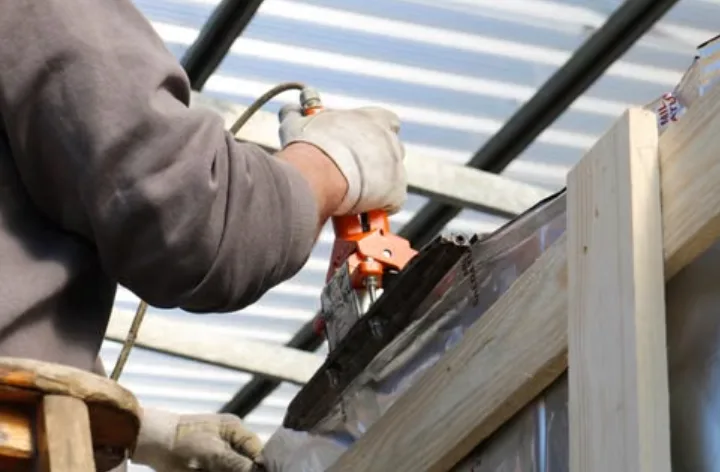
Temperature control is not the only factor that affects how comfortable a home feels. Traffic, outdoor conversations, and noise from adjoining rooms can interrupt sleep or make concentration difficult.
In these situations, some insulations can absorb sound within wall or ceiling cavities and reduce sound transmission through wall and ceiling assemblies. Typically, fiberglass or mineral wool is used for this purpose, but which is better depends on the type of use.
As a result, bedrooms, home offices, and living spaces can be more enjoyable if they are quieter than the rest of the house. However, thermal insulation does not guarantee effective soundproofing. Therefore, where noise is a significant issue, the building and the source of the noise should be identified prior to choosing the insulation to use.
Conclusion
Proper insulation plays an important role in making your home more comfortable throughout the year. By slowing heat transfer, reducing drafts, limiting heat gain, and helping control sound transmission, it can create a more consistent and pleasant indoor environment. However, the best results depend on identifying problem areas and choosing suitable insulation materials for your home's structure and needs.
Combining insulation upgrades with effective air sealing and adequate ventilation can further improve indoor comfort while reducing unnecessary heating and cooling demands. By addressing the areas that contribute most to discomfort, you can make your home more comfortable, energy-efficient, and enjoyable in every season.