Did Justice Dept. Do Sanctioned Russian Usmanov a Favor By Indicting Josh Wander?
If the theory is right, the office that seizes oligarchs' yachts ended up solving one oligarch's problem.
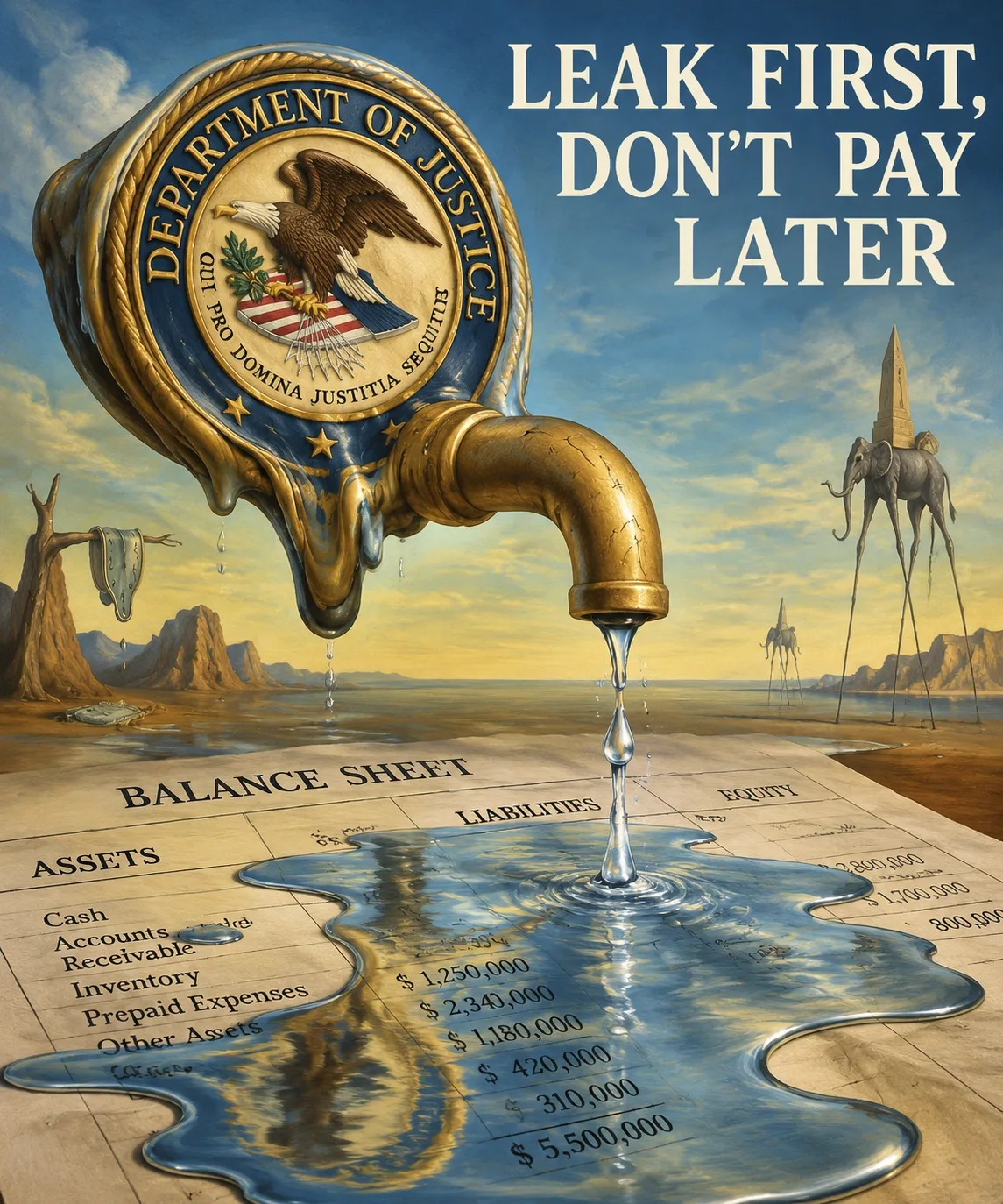
On November 30, 2023, the federal investigation into Joshua Wander, the founder of 777 Partners, became public.
It was two days old.
Federal investigations are not normally announced two days after they open. They are not supposed to be announced at all.
This one was different. Someone told a reporter at Semafor, Liz Hoffman. She had the prosecutor's name on November 27, a day before the government says it opened the file.
That's a leak.
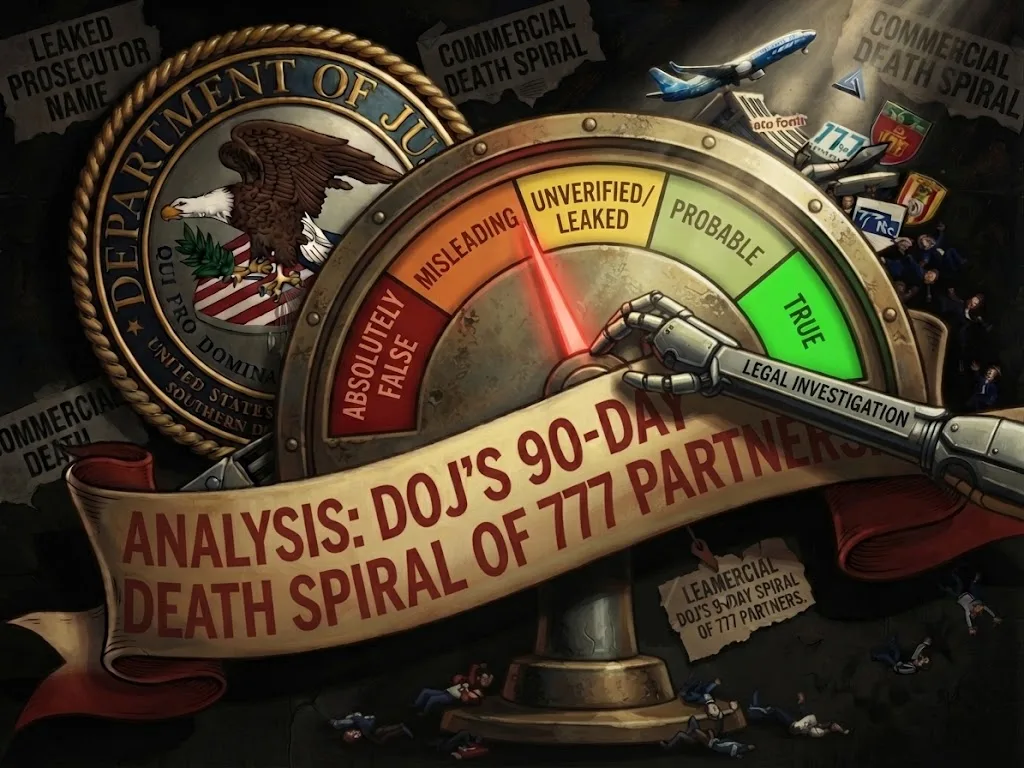
The Justice Department forbids it, and for a reason: A leak tells everyone doing business with a company that the company is in trouble with the federal government, and they run.
It is a run on a bank, started by the government.
NO PUNISHMENT, NO VICTIMS
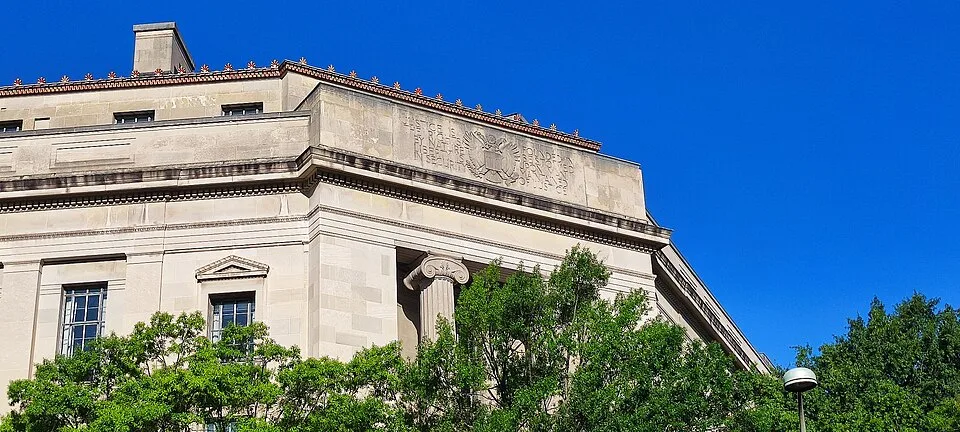
There is no punishment for it. Not for the government leaker.
The one rule with possible punishment, the government's grand jury secrecy rule, does not apply until a grand jury exists. Grand juries do not exist on day two of an investigation.
Therefore, the best time for a prosecutor or FBI agent to leak is the first week. It destroys the company before the target has a case to fight. It leaves him without the company to fight with.
It creates victims. Victims are needed.
In the white-collar world of prosecutions, they need someone to lose money. Without monetary losses, there is no victim. With no victim, there is no sentence. The sentencing guidelines are based on the financial losses of the victim or victims.
In the case of 777 Partners, no lender had gone to court claiming a loss while the company was running. The first lender lawsuit, Leadenhall's, came five months after the leak. The leak caused the run on the company, which in turn caused the company's collapse, which in turn caused the victims.
A leak is a beautiful thing for a prosecutor. Not so beautiful for the people who wind up as victims, who would not have been so, but for the Justice Department.
Maybe it is a functioning company. Maybe the company is troubled, but without the leak, it wouldn't have any victims.
Nobody in the Southern District of New York needs this explained. A leak in time saves nine.
I have written about the leak that destroyed the $10 billion, highly-leveraged 777 Partners three times, and this is the ninth in a series on United States v. Joshua Wander. The first eight are listed at the end of this story.
THE CHARGES
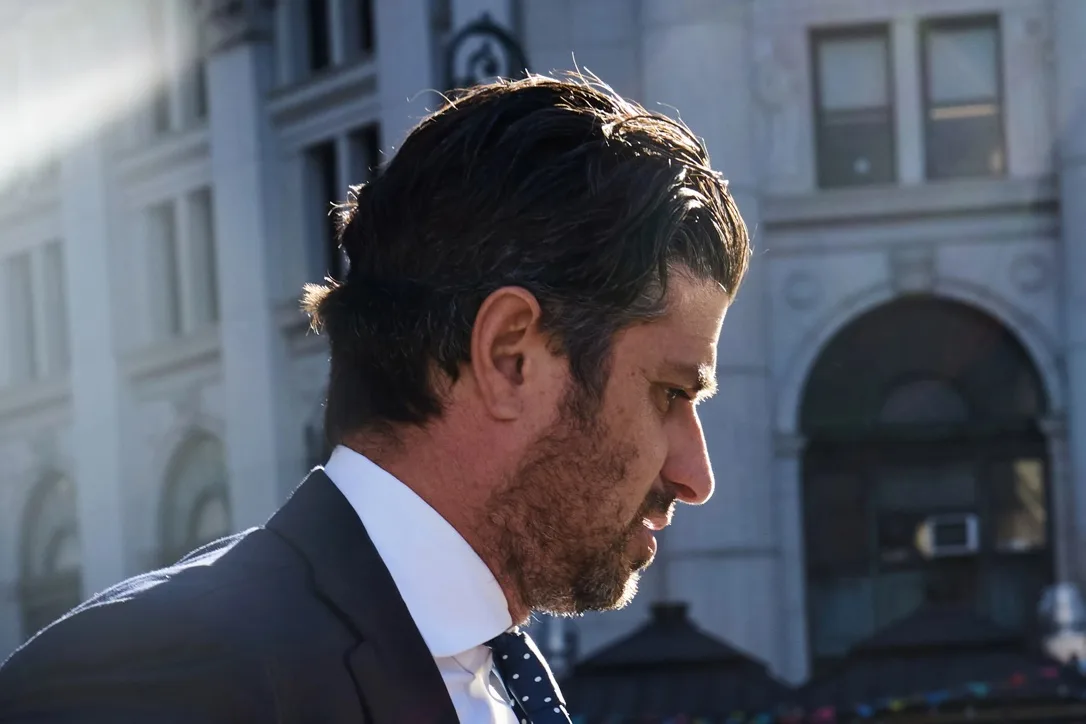
Joshua Wander, 45, built 777 Partners in Miami. It owned airlines, insurers and football clubs on four continents. He faces six white-collar federal felony charges in Manhattan.
Prosecutors allege that Wander, whose company had more than $10 billion in assets before the leak destroyed it, obtained hundreds of millions of dollars in loans using collateral that 777 did not own or had already pledged.
The prosecutors allege that he concealed the shortfall with altered bank statements and misrepresented the company's finances to investors.
They also allege that after his arrest, he tried to influence a potential witness, a friend and former 777 employee, by sending him a photograph of himself with his baby. The charge looks alternately ludicrous and like a cynical attempt to make the case more than a mere white-collar prosecution.
Wander has pleaded not guilty. He does not deny sending the photo. His lawyers say the friend had asked to see the baby, as friends sometimes do.
Wander's trial is scheduled to begin October 19 in Manhattan.
BEFORE THE LEAK
This is about what came before the leak.
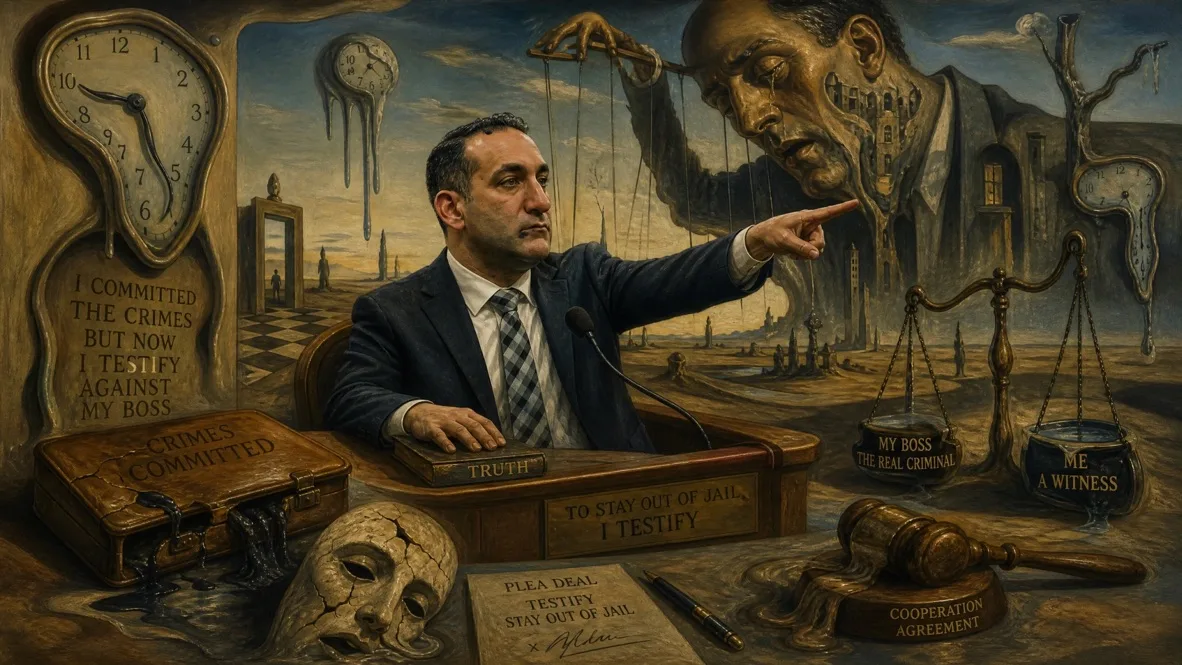
After the leak came 777 Partners' collapse, the denials, the cooperating witness who pleaded guilty to the financial crimes but will testify against Wander in hopes of trading places with him in prison, and Joshua Wander's indictment.
Before the leak, before federal prosecutors opened their investigation, Wander's company had faced sustained, unfavorable press coverage.
Stories about Wander's company ran for five months before Semafor ran its story about the leaked investigation.
The earlier stories weren't about alleged criminal conduct. They were about why the Premier League should not approve 777 Partners' purchase of a British football club.
Then Semafor reporter Liz Hoffman reported the investigation. That was the death knell for 777 Partners.
EVERTON
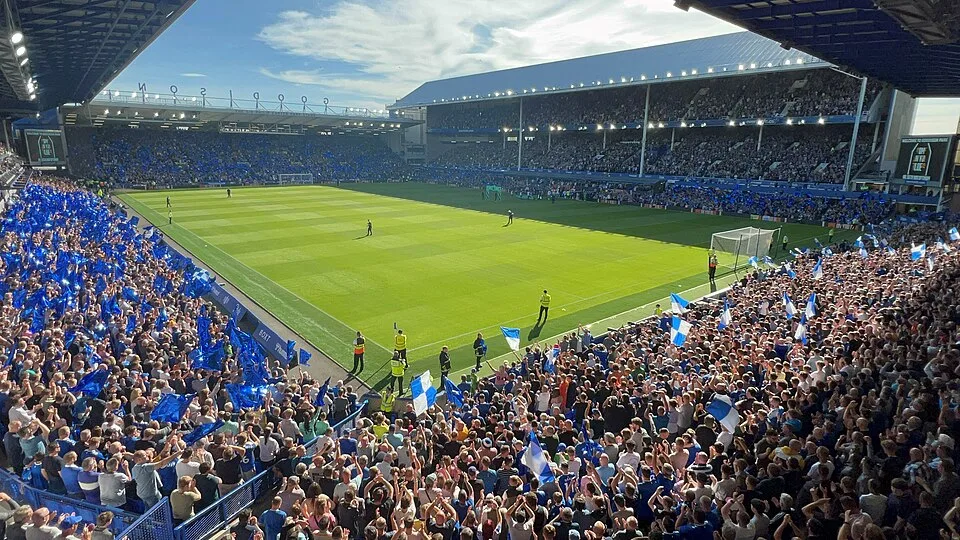
The question of why anyone was looking at 777 in autumn 2023, before the US Attorney opened its file, is answered in a word: Everton.
Or maybe two words: Alisher Usmanov, who may not have wanted the sale of a team he had invested in.
Everton is a professional soccer club in Liverpool, founded in 1878.
It is one of 20 teams in the Premier League, England's top division, with television contracts worth hundreds of millions.
Everton plays 38 games a season before crowds of about 40,000. It has not won a major trophy since 1995, and by 2023 it was deeply in debt and committed to building a new stadium it could not afford without a Russian oligarch's, or somebody's, help.
Wander wanted 777 Partners to buy the club. He saw an upside.
By the time he agreed to buy Everton in September 2023, 777 already owned or held stakes in seven clubs: Genoa in Italy, Hertha Berlin in Germany, Standard Liège in Belgium, Vasco da Gama in Brazil, Red Star in Paris, Melbourne Victory in Australia, and a share of Sevilla in Spain.
Everton would have been the eighth, and the first in the Premier League.
But behind Everton stood money linked to a Russian billionaire. That was the problem.
THE MONEY BEHIND EVERTON

Farhad Moshiri, a British-Iranian businessman whose fortune was tied to Russian billionaire Alisher Usmanov, became Everton's owner in 2016. At least he was the frontman.
Moshiri denies that he was a front man for Usmanov, and says he was the true owner. (revised Sept. 30)
Usmanov's companies sponsored the club. USM Holdings secured the naming rights to the training ground and an option on the new stadium being built on Liverpool's waterfront.
Two other Usmanov-linked companies, the Russian phone carriers MegaFon and Yota, also paid to sponsor Everton.
The money around the club was Russian through and through, which was fine at the time. Then it wasn't.
WHO IS USMANOV
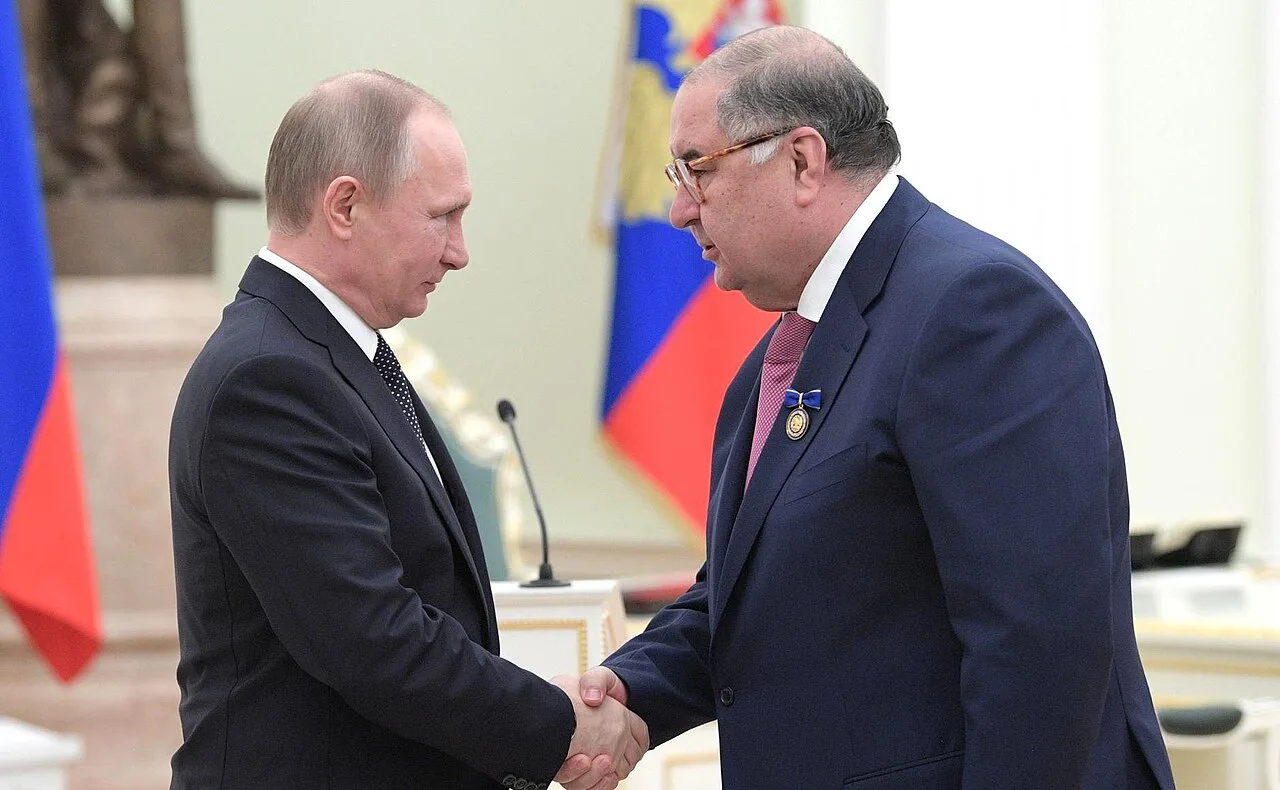
Alisher Usmanov emerged as a billionaire from the industries that made Russia's billionaires after the Soviet Union collapsed: iron ore, telecommunications, and the internet.
For years he also ran the investment arm of Gazprom, the Russian state gas monopoly. Forbes estimates his fortune at $14 billion.
Usmanov's fortunes grew alongside the Kremlin and Putin.
Usmanov has hardly been shy about the association. "I am proud that I know Putin," he once said, "and the fact that everybody does not like him is not Putin's problem."
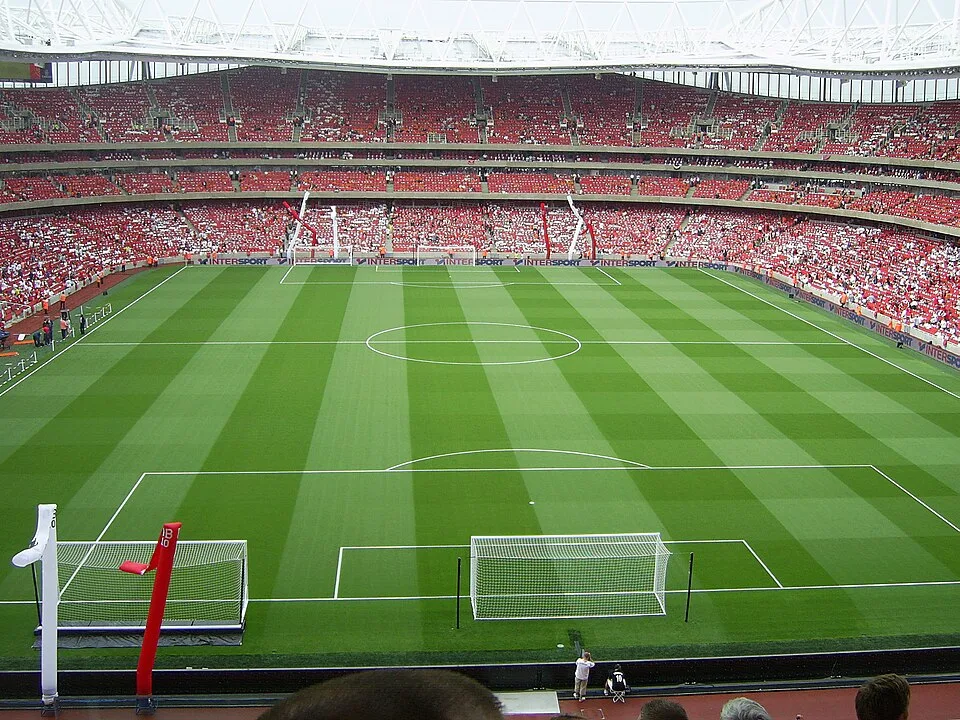
London, meanwhile, had found little difficulty liking him, or at least his money. Usmanov owned nearly a third of Arsenal Football Club and sold his stake in 2018 for approximately £550 million.
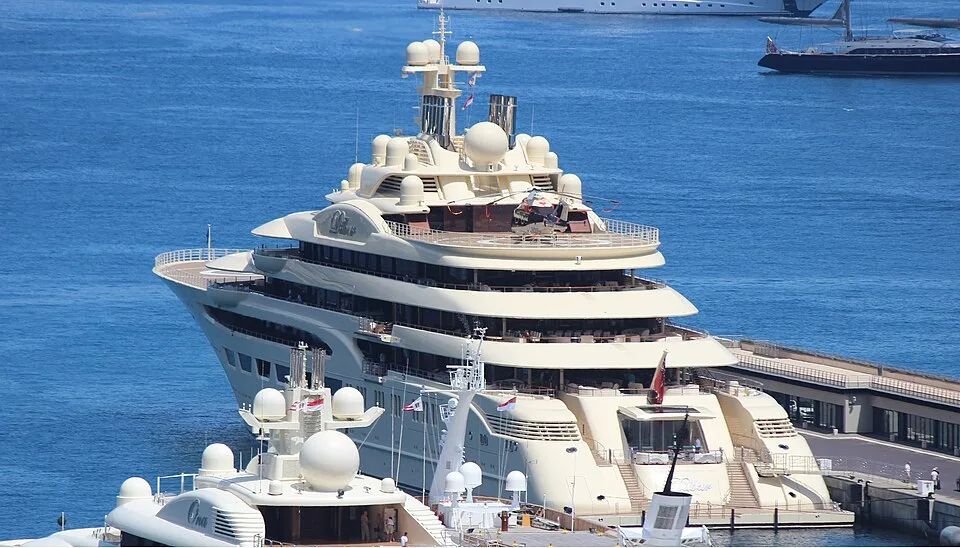
He kept a yacht the length of a city block. A yacht the length of a city block, held by a trust he set up, sat in Hamburg. (revised Sept. 28)
Nobody minded that either.
Then it changed.
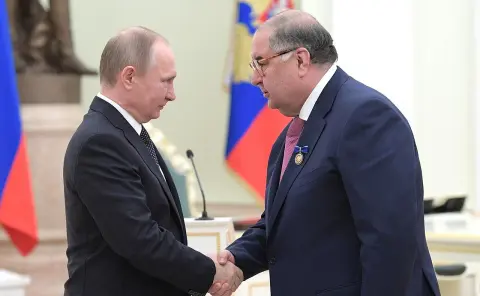
In early March 2022, following Russia's invasion of Ukraine, the European Union, Britain and the United States imposed sanctions on Usmanov.
The European Union described him as a "pro-Kremlin oligarch with particularly close ties to Vladimir Putin."
Germany blocked the yacht from leaving Hamburg.
Britain, which had once welcomed his investments, froze his assets and prohibited dealings with him.
Usmanov's money was the same money. But everything around it had changed. Yesterday, English football had welcomed his money. Today, it was a problem nobody could touch.
Take his money and go to jail.
WHOSE CLUB WAS IT
In September 2023, days after 777's agreement to buy the club was announced, The Guardian reported that documents it had reviewed showed Moshiri had received more than £400 million from Usmanov entities between 2018 and 2022, including £270 million from the sale of USM shares he appeared to have received as a gift, and about £145 million in loans from an Usmanov company.
Usmanov's spokesman did not dispute the debt.
"Mr Moshiri and his companies are indeed indebted to Mr Usmanov and entities affiliated with him," he said. "We hope that the debt will be repaid after Mr Moshiri closes the sale of the club."
Moshiri's lawyer denied that his client acted for Usmanov, saying Moshiri "is not controlled by or acting on behalf of Alisher Usmanov (or anyone else)" and that "these false claims have been disproved by independent investigations."
THE SANCTIONS
After Usmanov was sanctioned, Everton suspended its commercial agreements with USM, MegaFon and Yota.
That put Everton in a bind. The old English club was dependent on Russian, now-sanctioned money.
Moshiri stopped putting money into Everton. Which made sense, since his fortune had come through Usmanov.
The stadium kept rising on the waterfront. So did the debts.
The stadium would cost £760 million. The club owed nearly £660 million. Eventually, the auditors began asking whether Everton could keep going.
Moshiri needed money or a buyer.
THE 777 DEAL

He tried money first. In May 2023, MSP Sports Capital, an American sports investment firm, agreed to lend Everton up to £150 million that could later convert into a stake of about 25 percent.
Moshiri would have stayed in control. That deal collapsed in August after an existing lender objected, and MSP settled for a £100 million stadium loan instead.
Then came 777 Partners. This deal was different. It would have taken Moshiri out.
On September 15, 2023, Moshiri agreed to sell his 94.1 percent stake in Everton to the company.
Less clear was what a sale would mean for the money Moshiri owed Usmanov.
Sanctions barred anyone in Britain, the European Union or the United States from paying him without a government license.
WOULD USMANOV GET PAID?
Usmanov's spokesman said he hoped the sale would close so Moshiri could repay him. The problem was that sanctions made repayment a legal issue as well as a financial one. Moshiri couldn't transfer the money to Usmanov. Not at once.
The sanctions might be lifted one day. Moshiri, if he still owned Everton, might still be there. But if the club had been sold, the old relationship would be gone.
As long as Moshiri kept Everton, Usmanov's claim was tied to a Premier League club that could be sold later, when sanctions might no longer stand in the way.
Sold to 777 in 2023, the money would be frozen, spent, or gone.
The MSP loan would have left Moshiri in place. Nobody wrote twenty-three stories about MSP.
TWENTY-THREE STORIES
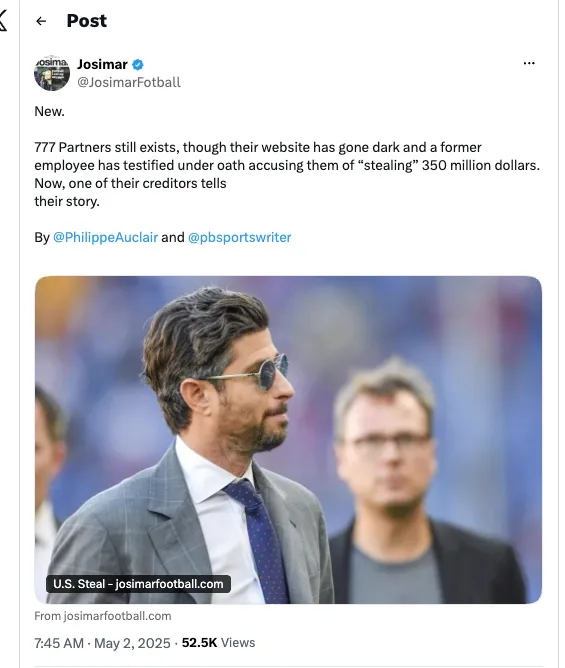
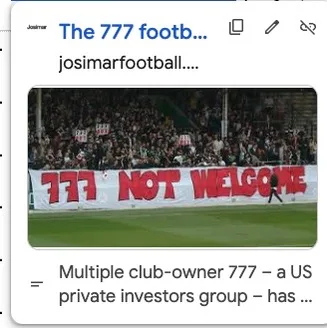
On July 3, 2023, as Moshiri looked to make a deal with 777 Partners, a Norwegian football magazine called Josimar published "The 777 football mystery."
Josimar is an Oslo-based football magazine founded in 2009. It developed a reputation for investigating FIFA.
Philippe Auclair and Paul Brown, the journalists behind its 777 coverage, are experienced football reporters.
Between July 3, 2023, and May 10, 2024, Josimar published twenty-three articles about 777 Partners. They are listed, with links, at the end of this story.
The subject was a Miami investment firm trying to buy Everton.
WHAT WAS IN THEM
The stories dug into Wander and 777, laying out all the reasons Wander should not be allowed to purchase Everton.
Reporters get tips. Someone was feeding this story. The question is who.
Some of the facts they used to paint Wander as unsavory were irrelevant to the purchase, except to dirty him up. None of the stories reported the conduct behind the later criminal charges.
They reported on Wander when, at age 21, he was arrested on a cocaine charge in Florida. He pleaded no contest. More than 20 years later, the story was back in the newspapers.
Two people who sold structured-settlement payments to Wander's finance company, SuttonPark, once sued, alleging they had been vulnerable and received inadequate compensation.
SuttonPark had paid the agreed amounts, but the sellers challenged the circumstances and fairness of the transactions.
Josimar acknowledged that the allegations had not been proved. They nevertheless raised questions about how people selling structured settlements were treated, a matter potentially relevant to assessing a prospective club owner. But they were not allegations of fraud.
The material included an old credit-card default subsequently repaid, losses at 777's football clubs, aircraft repossessed from Flair after missed payments and an unapproved loan involving Vasco da Gama.
Each was a potentially legitimate subject to report, though none was related to anything alleged in the indictment.
THE DEBT SCHEDULE
By March 2024, the reporters were no longer relying on interviews and public records. They obtained internal documents showing 777 Partners had total debt of $3.6 billion.
Somebody leaked them.
They named 777's lenders and what it owed each of them, down to interest rates as high as 15 percent.
They reported that 777 owed more than $145 million in overdue payments.
But owing money, even being late and working out repayment plans, is not the same as lying to a lender.
Whether 777 should own a Premier League club was fair game. It was not evidence of the fraud prosecutors later charged.
WHAT THE STORIES DIDN'T SAY
Twenty-three articles. None reported the alleged double-pledged collateral. None reported that 777's loans were short of collateral or that bank screenshots were altered. None reported a $200 million shortfall at Leadenhall.
This was not because the reporters weren't looking at the money.
Eight weeks before Leadenhall sued, the reporters were publishing names and balances from 777's own debt schedule. They had the list of who 777 owed. They did not have what Leadenhall was claiming about the collateral pledged to those debts.
Leadenhall sued 777 Partners on May 3, 2024. That lawsuit put the collateral allegations, the ones that became Counts One through Four, on the public record for the first time.
Three days later, Josimar published "The Repo men?" Only then did the collateral story appear in its pages, and it came from a court filing anyone could read.
According to the indictment, Leadenhall was aware of the alleged shortfall by April 2023. Its representatives, the indictment says, "repeatedly met with WANDER, who promised that new assets and proceeds from deals" would reduce the shortfall.
They were negotiating. Leadenhall knew for a year. Josimar, with 777's debt schedule in hand, apparently did not. Whoever handed the reporters that schedule gave them what 777 owed, not what Leadenhall was claiming.
Josimar's central concern was 777's suitability to acquire Everton.
The stories began with Everton. The case ended up in a Manhattan courtroom.
EVIDENCE OF USMANOV'S HAND?
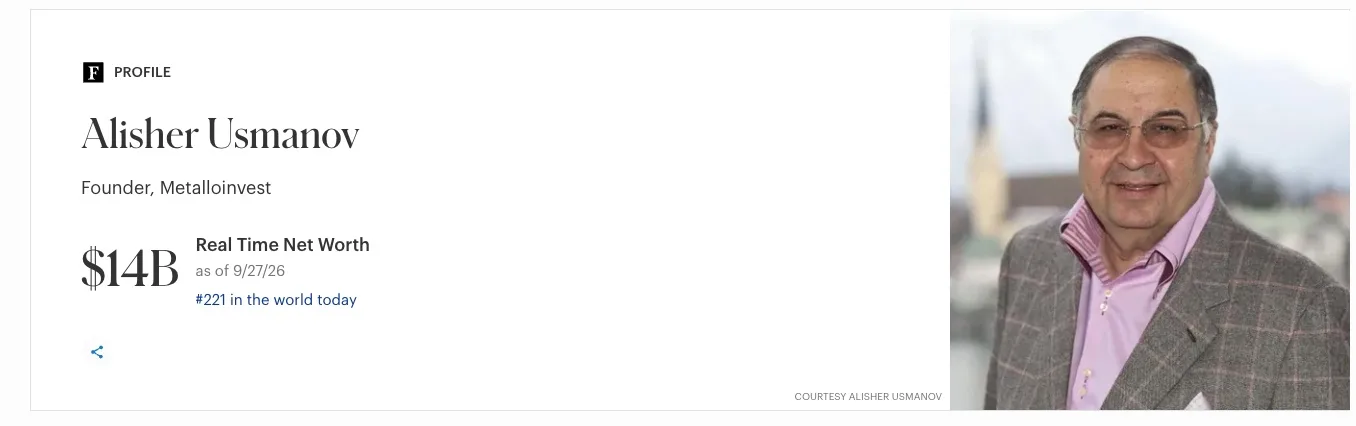
There is no evidence establishing that Usmanov or anyone acting on his behalf paid Josimar, supplied its reporters with information, or contacted federal prosecutors about 777.
Usmanov had an acknowledged financial interest in the outcome.
The stories began while Everton was looking for a buyer. The deal would have taken Moshiri out.
What that meant for Usmanov's money is an unanswered question.
WHAT MONEY CAN DO
A man with $14 billion does not need to do anything himself. He can hire private investigators to dig into a rival. He can hire public relations firms to shop what they find. He can hire lawyers to write to regulators.
Usmanov knows how to use lawyers against people who write about him. In 2007, his London law firm, Schillings, sent letters to the hosts of websites that criticized him, and some of those sites were taken offline, including a blog by Craig Murray, a former British ambassador to Uzbekistan.
If someone wanted to kill a deal, they could plant doubts about the buyer in the press. And a lender's regulator, a Premier League review panel, or a federal prosecutor reads the press too.
THE QUESTION
The United States sanctioned Usmanov in 2022, citing his connections to the Russian state.
Then came an American company that wanted to buy Everton. Newspaper stories, a federal investigation, and a business that eventually fell apart followed. The club was still there. The proposed buyer was not.
Everton was sold in the end. Not to 777.
Dan Friedkin's Friedkin Group completed its acquisition of Everton in December 2024, after 777's proposed purchase failed to receive approval and its agreement expired.
Joshua Wander helped build a company that became worth billions. Now the company has come apart, and he faces the possibility of spending decades in prison.
Did Usmanov have anything to do with how this case began?
On October 19, Wander is scheduled to appear before a jury to answer the charges. The jury may never hear how the case began.
THE LEAK
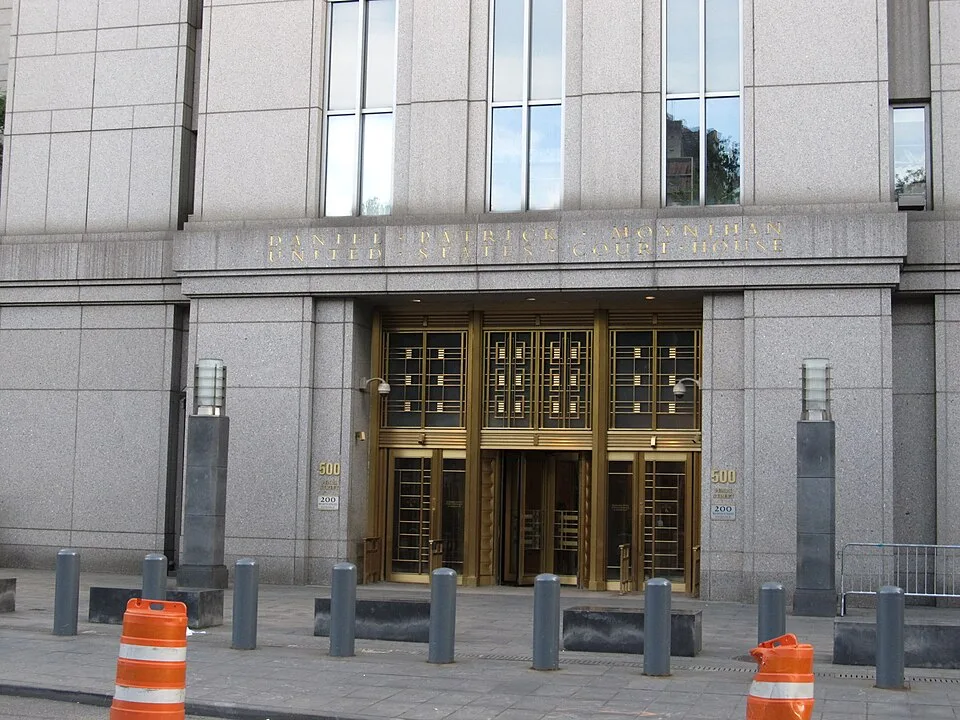
Suppose the theory is right. Suppose the trouble for 777 started with Alisher Usmanov. Suppose Usmanov wanted the Everton deal dead, and the bad press about 777 was how it happened. Suppose that press is what brought 777 to the attention of the Southern District of New York.
The deal dies. The lenders panic. A $10 billion company falls apart. The government opens a file, and two years later it indicts Josh Wander.
Then the most powerful federal prosecutor's office in the country, with Nicolas Roos, the prosecutor who convicted Sam Bankman-Fried, an office that hunts down money for sanctioned Russians and seizes their yachts, would have ended up doing a sanctioned Russian a favor.
It would not be on purpose. Prosecutors do not need to know where a story came from to act on it. But the result would be the same. A man the U.S. government has barred from its financial system would have seen his problem solved, at taxpayer expense, by the U.S. government.
That is what money can do.
Someone at SDNY should want to know how this case started. Maybe they already do. If the answer leads back to a sanctioned oligarch, that is worth knowing too.

September 28, 2026: This story has been updated in response to a letter from Alisher Usmanov's press service. The yacht caption and one line about Farhad Moshiri were changed.

This is the ninth in a series on United States v. Joshua Wander. Here are the first eight:
$500M Fraud Rap — and a Baby Photo as 'Witness Tampering' (August 20, 2026)
FEDS OPEN FILE — TWO DAYS LATER NEWS REPORT KILLS $10B FIRM (August 22, 2026)
How the DOJ Leaked and Made Its Own Victims in USA v. Wander (August 27, 2026)
Josh Wander Asked for Nothing. The Government Calls It Witness Tampering. (September 11, 2026)
LEAK AND DESTROY: Feds' Secret Tip Killed 777 Partners, a $10B Firm, Before the Case Even Existed (September 14, 2026)
Sworn to Nothing: How SDNY Beat the Wander Leak Motion (September 14, 2026)
The $10 Billion Company the Feds Forgot to Mention (September 17, 2026)
777 CFO Took the Fifth on Whether He'd Lie About Josh Wander (September 23, 2026)

The 777 Football Mystery (July 3, 2023)
Standard Delivery (September 2, 2023)
Dark Blue (October 4, 2023)
Fit for a King (October 17, 2023)
Brains Trust or Gold Dust? (October 18, 2023)
Full Disclosure? (November 6, 2023)
Trials and Tribulations (November 20, 2023)
On the Brink (November 22, 2023)
Grounded? (December 7, 2023)
Show Me the Money (December 22, 2023))
The Twilight Zone (January 9, 2024)
Endgame (January 15, 2024)
See You in Court (February 2, 2024)
Everton or Bust? (February 16, 2024)
Credit in the Straight World (February 19, 2024)
The 3.6 Billion Dollar Question (March 5, 2024)
The Russian Connection (March 13, 2024)
More Legal Woes Incoming (March 19, 2024)
Conditional Access (March 23, 2024)
A Change Is Gonna Come (April 8, 2024)
Kind of Blue (April 30, 2024)
The Repo Men? (May 6, 2024))
Out of the Blues (May 10, 2024)