By Tony Farina
When writing about Niagara Falls, N. Y., it is most often the case of writing about things gone wrong, whether with the empty development pipeline because of City Hall’s unwelcoming investment posture or because of missed opportunities by misguided leadership that continue to this day.
Yes, the majestic tourism attraction is still there, drawing people from around the world to see the highest flow rate of any waterfall in the world, but not much else is exciting in a city now less than 50,000 strong that has seen the Canadian side of the falls featuring the booming Clifton Hill entertainment district grow and prosper.
So how come the Canadian side of the falls is doing so much better than the American side?
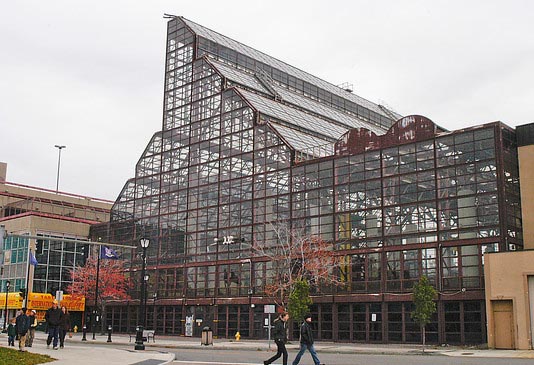
Well, we can start with the contributions of Canadian Niagara Hotels (CNH), the most proven developer in the binational Niagara Region. And yes, CNH was one of the two developers with proposals to redevelop the long idle Rainbow Mall not long ago, but it was not engaged by Niagara Falls and local interests to bring its brand of development magic to the American side when the then-chosen developer, the Uniland/Delaware North partnership, collapsed leaving the cavernous Rainbow Mall as an eyesore and a relic of better days. No development in sight.
Canadian Niagara Hotels, led by the DiCienzo family, is a proven success story yet never got the opportunity to reshape and reinvent the Rainbow Mall when bidding time was here and the selected bidder collapsed. No consideration, apparently for the second bidder, the DiCienczo family.
No organization has demonstrated a deeper understanding of the regional tourism economy—or a stronger record of reinvestment—than the DiCienzo family. Their portfolio on the thriving side of the Niagara River includes the Sheraton on the Falls, the Crowne Plaza, the Skyline Inn, the Fallsview Indoor Waterpark, and yes, that booming Clifton Hill entertainment district. These are not isolated properties but rather function as an integrated, high performance hospitality ecosystem that has helped make Niagara Falls, Ontario one of the most successful tourism districts in North America.

Click here to learn about Nate!
And on the American side, CNH has operated the Sheraton Niagara Falls (formerly the Crowne Plaza) and the Wyndham Garden, continually elevating standards of service, guest experience, and facility management. Their presence has brought cross-border stability, brand-level consistency, and a clear operational understanding of what visitors expect when they choose the American side of the border.
Few developers can match this binational perspective—and none operating in Niagara Falls, USA, came close. We are left to wonder what would have happened if the DiCienzo family had been chosen for the Rainbow Mall redevelopment project after the Uniland partnership collapsed?
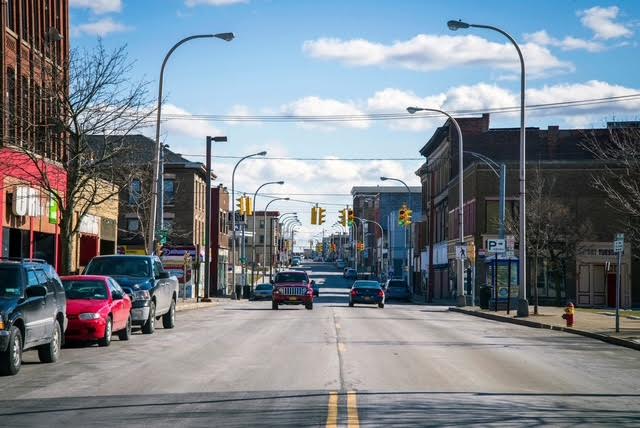
The outcome most certainly would have been much different and likely much more appealing to visitors than an empty relic that sort of marks the look of Niagara Falls on the American side. The look of the two sides of the border tell the story. The Canadian side is busy and inviting to visitors, and the American side is pretty much an eyesore from the river inward.
CNH has a long record of delivering large, complex hospitality projects—on time, fully financed, and integrated with market demand. Their experience with the Fallsview Indoor Waterpark and cross-country management would have given the Rainbow site a realistic development path, not a speculative one.
With CNH’s record producing operating assets, not press releases, it is likely the Rainbow Mall footprint would have been transformed years ago into a functioning hotel, entertainment, or mixed use destination—not another decade of stagnation. It might have become a stabilizing anchor for downtown instead of a massive, underutilized shell. It represents another missed opportunity.