
Carl Thiese

“Who Is the Sudanese Government Negotiating With?”
Musa Hilal’s Top Adviser Speaks on Sudan’s War, Hemedti, and the Road to Peace Sudan’s civil war has produced countless military analyses and diplomatic proposals. Far fewer conversations have taken place with the political figures whose relationships and rivalries helped shape the conflict long before the first shots were fired in April 2023. One of those figures is Dr. Abdulrahman Hassan Saeed, Secretary-General of the Revolutionary Awakening Council and longtime adviser to Sheikh Musa Hilal, the influential Darfur tribal leader whose falling-out with former President Omar al-Bashir and later with Mohamed Hamdan Dagalo, better known as Hemedti, altered the balance

Legal Fight Over Titanium Producer Reaches Into the Heart of America’s Missile Industry
Two legal developments unfolding overseas, one in Switzerland and another in Russia, are drawing attention to an unlikely but critical component of the United States’ defense industrial base: titanium. At first glance, the cases appear to involve a commercial dispute between a metals trader and a global producer. But the companies and materials involved sit deep inside the supply chain that feeds America’s aerospace and weapons industries, including manufacturers such as Lockheed Martin, Boeing and RTX (Raytheon). As the United States ramps up missile and interceptor production following recent conflicts and global tensions, the stability of those supply chains is
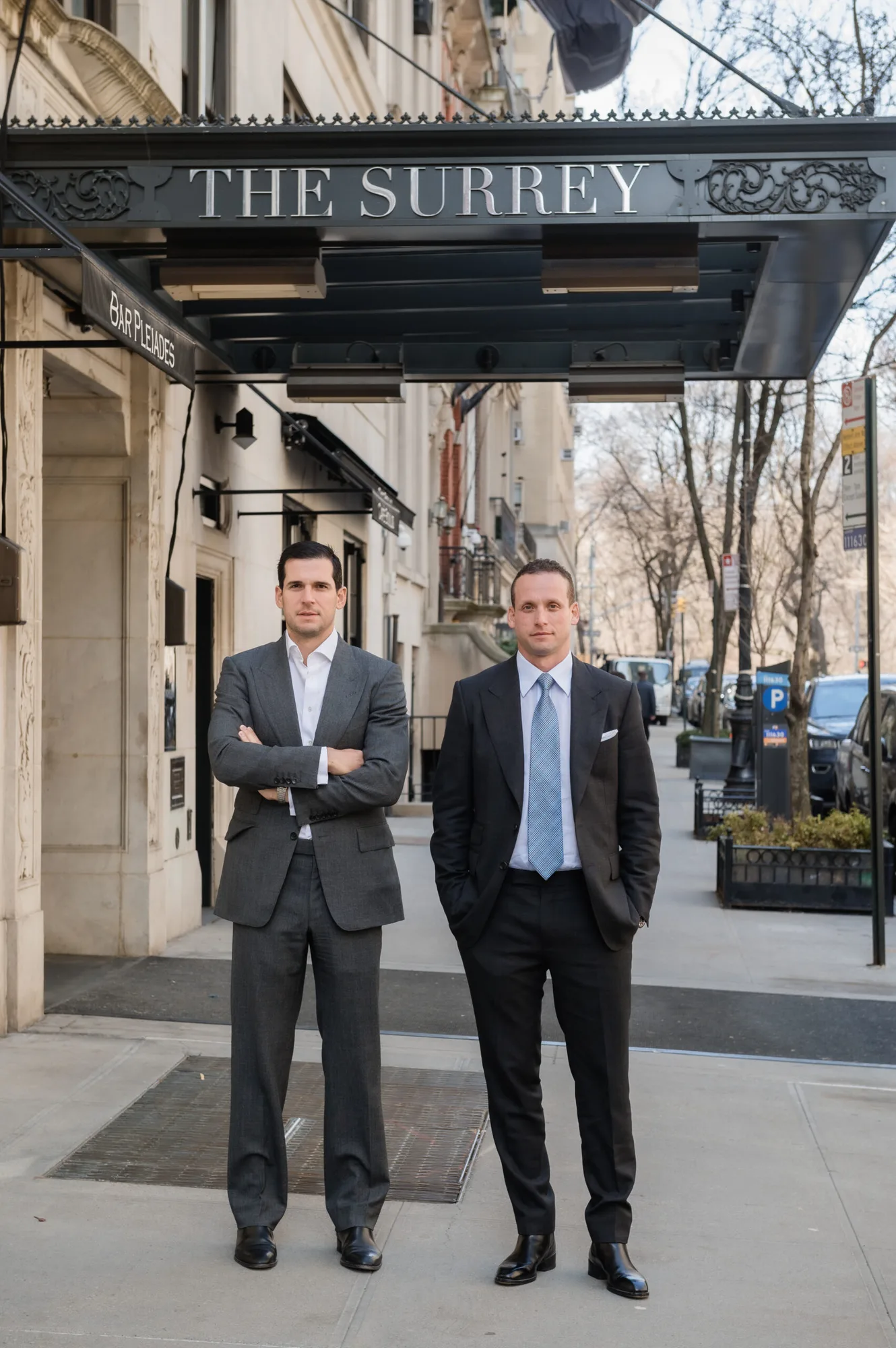
From Florida Civil Claims to Federal Prosecution
How a Local Dispute Became a National Criminal Case, and Why New York Is at the Center The federal criminal case now pending against Miami-based real estate brokers Oren Alexander, Alon Alexander, and Tal Alexander did not begin with an arrest, a police report, or a criminal investigation. It began years later in Florida, through civil lawsuits, informal communications, and referrals that ultimately culminated in federal charges under the Trafficking Victims Protection Act (TVPA). Today, however, the case is being prosecuted in New York, placing it squarely within the jurisdiction of the U.S. Attorney’s Office for the Southern District of

Two Stories, One Problem: When the Contemporaneous Record Collides with Criminal Narratives
Public trust in the justice system rests on a simple expectation: prosecutions should follow evidence, not storylines. When the contemporaneous record—messages, timestamps, and immediate post-event conduct—conflicts with a later allegation, the obligation of prosecutors and the media is not to “interpret” the contradiction into coherence, but to treat it as central. That obligation is unavoidable in a Florida criminal case involving one of the Alexander brothers, where discovery materials and sworn deposition testimony reveal a stark tension between what an accuser’s communications conveyed at the time and what was later alleged. A similar pattern appears in materials that were made
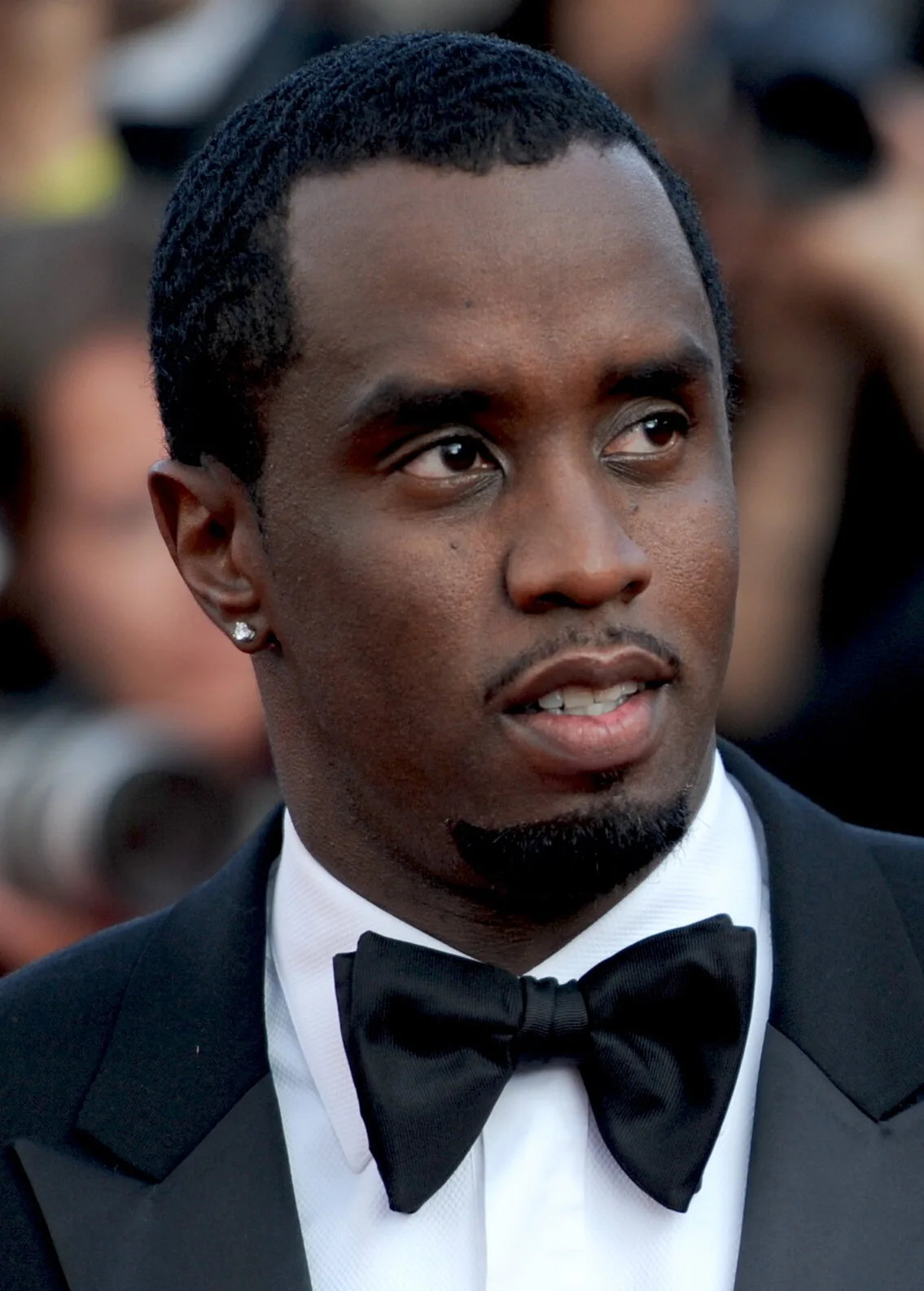
When Judges Punish for Crimes the Jury Rejected
Sean “Diddy” Combs was acquitted of the most serious charges against him—racketeering and sex trafficking—after a grueling federal trial. Yet when he appeared before Judge Arun Subramanian last week for sentencing, those very allegations determined how long he would stay behind bars. That’s not conjecture; it’s how federal sentencing works. Under current guidelines, a judge may consider uncharged, unproven, or even acquitted conduct in determining punishment, so long as the allegations are deemed “proven” by a preponderance of the evidence—a far lower standard than “beyond a reasonable doubt.” It’s one of the strangest paradoxes in modern justice: a jury says
Long Island Whistleblower’s RICO Suit Alleges Multi-Million Dollar Fraud in Public Contracting
A Long Island construction industry whistleblower has filed a sweeping civil RICO lawsuit in New York State Supreme Court, alleging a web of public contract bribery, bid rigging, ghost payroll schemes, and union wage fraud tied to more than $27 million in awarded school construction projects. The case, filed by Vincent Bentivegna – former acting president of US Environmental Abatement Corp. (USEA) – names as defendants USEA, its leadership, and its outside counsel at Forchelli Deegan Terrana LLP, along with several associated individuals. According to the 100+ page complaint, USEA allegedly secured lucrative public contracts from the NYC School Construction

Carlos Watson’s Trial by Media: A Case Study in Selective Justice
The prosecution of Carlos Watson, founder and CEO of the embattled media startup Ozy Media, has unfolded more like a made-for-TV drama than a fair and measured judicial proceeding. A case that should have raised red flags for its procedural flaws, lack of clear victims, and roots in startup culture norms instead became a media feeding frenzy—driven, in part, by sensationalist reporting and, arguably, judicial bias. At the heart of the government’s case was the accusation that Watson defrauded investors and lenders by misrepresenting Ozy’s performance, reach, and key partnerships. Prosecutors painted a picture of a media company built on

Flushing Meadows at a Crossroads: The Past, Present, and Future of Queens’ Iconic Park
Flushing Meadows-Corona Park has always been more than just green space—it’s a cultural crossroads, a weekend escape, a playground for generations of New Yorkers. It was built for the World’s Fair, became a stage for the U.S. Open’s brightest stars, and has long served as an unofficial backyard for Queens’ immigrant communities. But the park is changing. Developers eye its edges, community groups clash over preservation, and a new class of visitors is arriving, phone cameras in hand, eager to transform the park’s faded glamour into TikTok gold. “There’s always been tension between keeping it a people’s park and turning

Opal Senior Living Balances Affordability and Quality in Senior Care
Opal Senior Living: Redefining Affordable Senior Care with Innovation and Heart With a focus on adaptability, individualized care, and financial accessibility, Opal Senior Living has developed a model that challenges the industry’s traditional approaches. Operating over two dozen senior living communities across multiple states and regions, the company has positioned itself as a distinct presence in the senior housing sector. Unlike many senior living providers that adhere to a fixed pricing and service structure, the organization tailors its offerings to meet the specific needs of each community. Whether a facility primarily focuses on an affordable care model catering to lower income

Challenging Anonymity and Prosecutorial Tactics in the Eastern District of New York’s OneTaste Prosecution
The Eastern District of New York’s (EDNY) prosecution of wellness company OneTaste has ignited controversy, not only due to the conspiracy allegations but also because of the government’s attempts to conceal the identities of key witnesses. This effort, recently rejected by the Judge assigned to the case, Diane Gujarati, has reopened debates about balancing witness protection with a defendant’s Sixth Amendment right to confront their accusers. It is important to delve into the procedural issues surrounding witness anonymity in the OneTaste case, emphasizing constitutional protections against secret testimony and the broader implications for due process, especially as defense attorneys allege

Defense Team Proclaims Shanna Gardner’s Innocence Amid Allegations of Misconduct
In a case fraught with allegations of prosecutorial misconduct, Shanna Gardner‘s defense team is taking a firm stance on her innocence as she faces charges of first-degree murder, conspiracy, and solicitation in connection with the murder of her ex-husband, Jared Bridegan. With the State of Florida pursuing the death penalty, the defense is alleging a troubling pattern of falsehoods and omissions that, they argue, have tainted the judicial process and put Gardner’s life at risk. Central to the defense’s position is a motion to unseal Detective Christopher Johns’s grand jury testimony, which they claim was riddled with inaccuracies. Key points

The Risks of Sudan’s Division: A Looming Catastrophe
Sudan, a nation long beleaguered by conflict and political turmoil, stands on the precipice of further division, a prospect that could unravel the state’s already fragile structure. The possibility of splitting Sudan into smaller entities presents a myriad of risks and consequences, each with the potential to exacerbate the current humanitarian disaster. As the situation in Sudan deteriorates, understanding these risks becomes crucial for the international community, regional actors, and the Sudanese people themselves. Risks of Division Escalation of Armed Conflicts The most immediate and dangerous risk associated with the division of Sudan is the potential for a sharp increase