Alleged Florida Forger Encounters Delays at Lewiston Queenston Bridge; May soon become a New Yorker
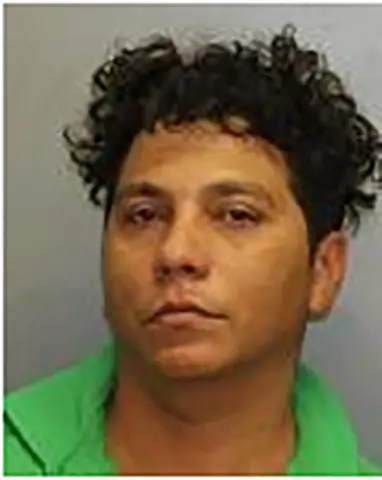
Roberto Carlos Baldoquin Milan, 41, lived in Indian River County, Florida, home of the orchards where the sweet ruby red grapefruit grows.
Milan was not a farmer, but reportedly specialized in banking, documents creation, and handwriting analysis.
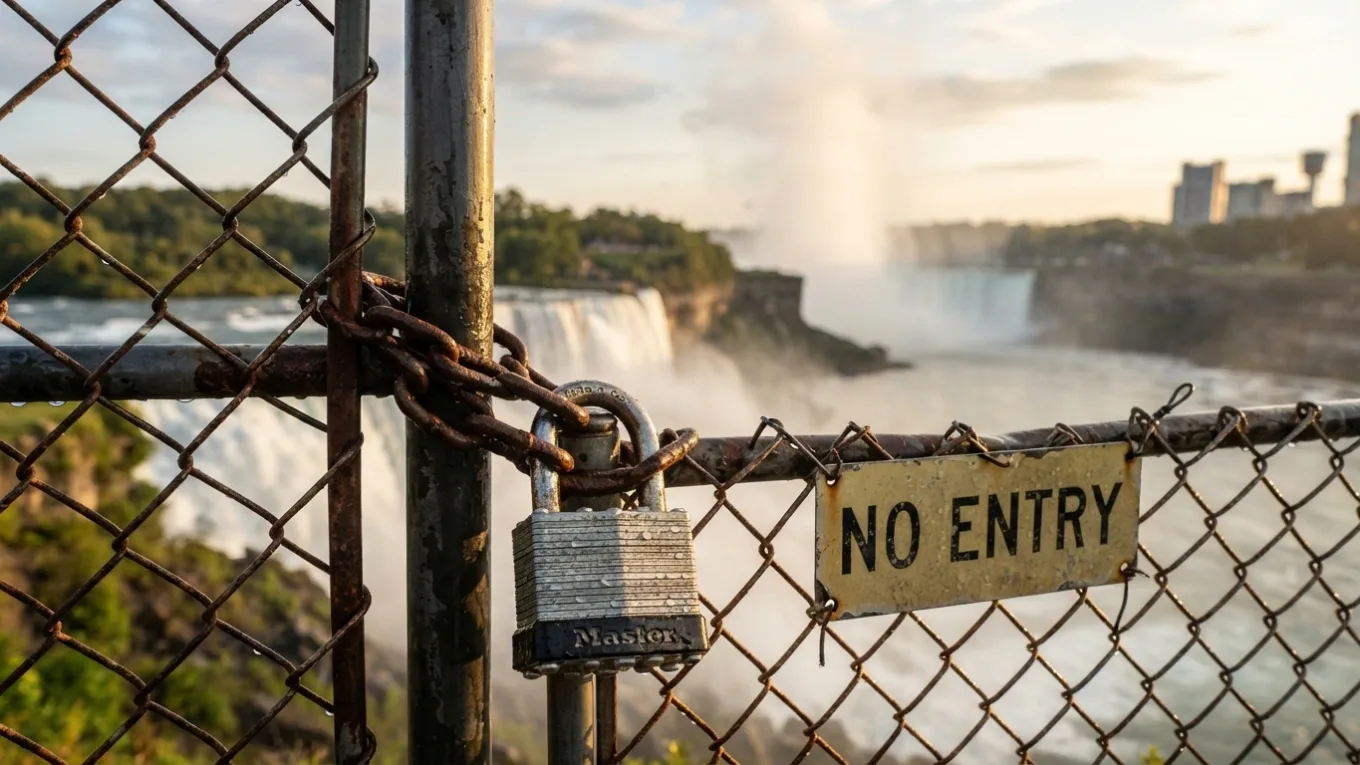
One day, Milan, perhaps looking to get away from the heat he was feeling in Florida, set off in a car and by early morning, August 3, arrived at the Lewiston-Queenston International Bridge.
Milan evidently was unaware that the U.S. and Canadian Customs share a database – known as the National Crime Information Center – that Customs use to determine if a traveler has a warrant out for their arrest.
The data base disclosed an arrest warrant was issued by the Indian River County Sheriff’s Office for Milan for forgery and Criminal Possession of a Forged Instrument, 2nd degree, a D felony.
Milan was detained by Customs until New York State Police arrived and arrested him at 7 a.m.
Troopers said they found, among Milan’s possessions, a forged driver’s license in a different name, a forged credit card and $33,000 worth of forged personal checks.
Milan was arraigned in Lewiston Town Court and the judge set bail at $100,000, which Milan, stripped of his alleged forged checks, alleged forged credit card and access to any other alleged forged instruments, was unable to pay.
Milan was remanded to the Niagara County Jail in Lockport in lieu of bail, where he is presently residing. His expenses paid, for this Florida man, by Niagara County taxpayers.
State Police say an investigation into other crimes Milan may have committed is ongoing.
It is not known, as of press time, when and if the taxpayers of Indian River County will send up some deputies to take Milan back home.
If New York State Troopers gather enough evidence to charge him, New York taxpayers may have the privilege of ensuring justice.
One fateful crossing by an alleged forger, at the Lewiston-Queenston bridge, a trip which normally costs $3.50, may end up costing New York taxpayers the cost of a trial, incarceration, rehabilitation, parole, welfare, Medicaid, food stamps, rental assistance, Home Energy Assistance (HEAP), vocational training and tuition benefits.
Welcome to New York, Roberto Carlos Baldoquin Milan.