
By Tony Farina
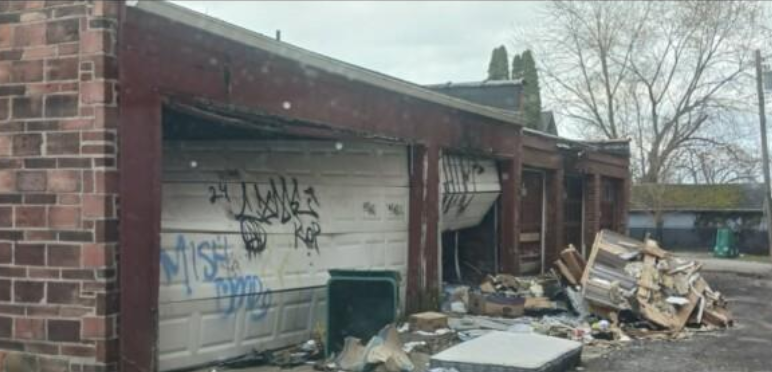
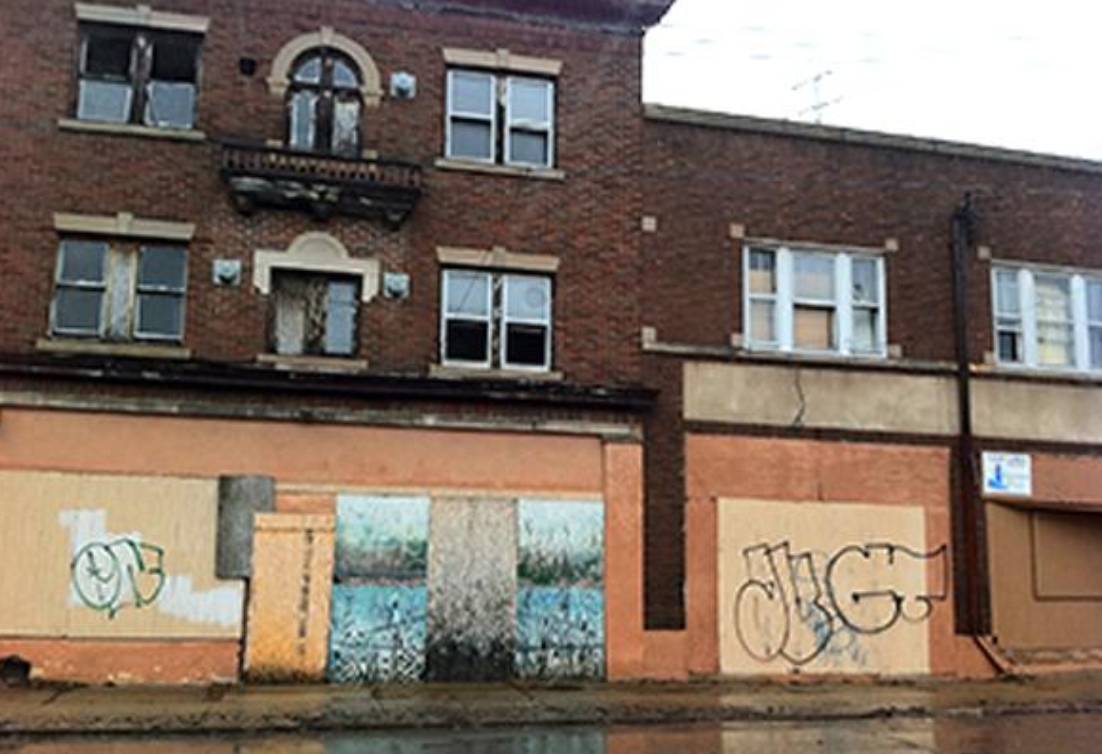
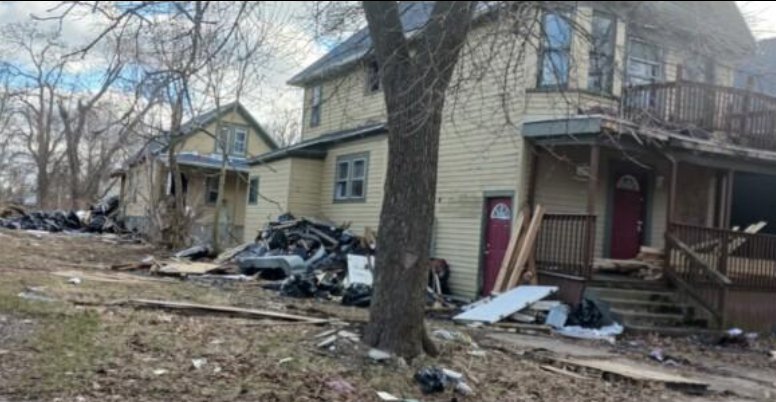
There are certainly many questions swirling around the mayor’s declaration of a state of emergency in Niagara Falls over trash, blight, and deteriorating streets that was declared back on July 20 and has been extended several times since because, according to Mayor Robert Restaino, the City Council refused to approve contractor agreements.
But some observers point to depleted staff at City Hall, like in Public Works and Code Enforcement and other departments, as really self-inflicted wounds that are the underlying reasons work is not getting done in the city. Or is there even more to the story, as some suspect, like a scheme to weaken city unions and allow the city the political benefit to award outside work to contractors of their choosing?
Is the real emergency a government losing department leaders, struggling to rebuild depleted staffs, repeated turnovers, persistent vacancies, overlapping acting assignments, and a serious shortage of workers that in fact rewards administrative failure and weakens public employment? Is that the real end game here?
The mayor may argue that contractors are necessary because the work must be done now. Residents may agree that streets, weeds, garbage and unsafe buildings cannot wait. But urgency does not erase responsibility for how the shortage developed. No, an emergency should not become a permanent workaround that rewards administrative failure and certainly weakens public employment, as at least some union leaders believe.
The central issue here is culture and accountability. And residency issues for workers, no matter their names, should be addressed. That means appointed officials like the city administrator (Anthony Restaino), the acting corporation counsel (Thomas DeBoy), and a code enforcement officer David Fittante must live in Niagara Falls or establish residency within six months. There are questions about their residency compliance.
No public survey or exit interviews prove that morale is poor or that nobody wants to work at City Hall. But staffing shortages and all the turnover suggest damaged morale and a workplace unable to retain enough people to deliver everyday services. And workers who respect residency rules, as many currently do not.
Niagara Falls deserves more than an emergency declaration. People need to see who left and why and which jobs remain vacant. Also, how long permits are delayed, how much contractor work has replaced bargaining-unit work, and whether senior appointees comply with the Charter.
As we said at the beginning, a lot of questions surround the emergency declaration. Until those answers are supplied, many believe, residents are left to wonder what is really fueling all the “emergency” contract work? Did City Hall manufacture the crisis leading to the mayor’s strong-arm contract work? Residents remain in the dark and the outside contract work continues. And for who knows how much longer?