
By Tony Farina
Niagara Falls has the name recognition, the location, and the tourism appeal to compete, and if the city is willing to do the hard work and planning necessary to turn possibility into reality, an amateur sports facility could be a big success.
But if not done properly, a large, costly sports facility that sits empty could become an expensive project that fails to deliver on expectations and becomes an eyesore that all can see and not admire.
So there are two sides to this issue, and Niagara Falls must do the work necessary to make sure that if the commitment is made, it designs a facility that could attract thousands of young athletes and their families and make it a year-round attraction for visitors. It has so much to offer for a sports facility, a city with instant name appeal thanks to a world wonder in its midst.
Now let’s take a closer look.
There’s no disputing that amateur sports tourism has become big business across the United States. Families travel hundreds of miles every weekend so their children can compete in hockey, basketball, volleyball, soccer, wrestling, cheerleading, lacrosse, baseball, and many other sports. Parents book hotel rooms, eat in restaurants, shop in local stores, and often turn tournaments into family vacations. That’s all true.
Niagara Falls already has something that many cities wish they had. People across the country know the name. Families from across the world dream of visiting the Falls. They come to see one of nature’s greatest wonders. They enjoy the attractions, parks, restaurants, and entertainment. Because of this, Niagara Falls has an advantage that cannot be built or purchased. It already has a worldwide reputation.
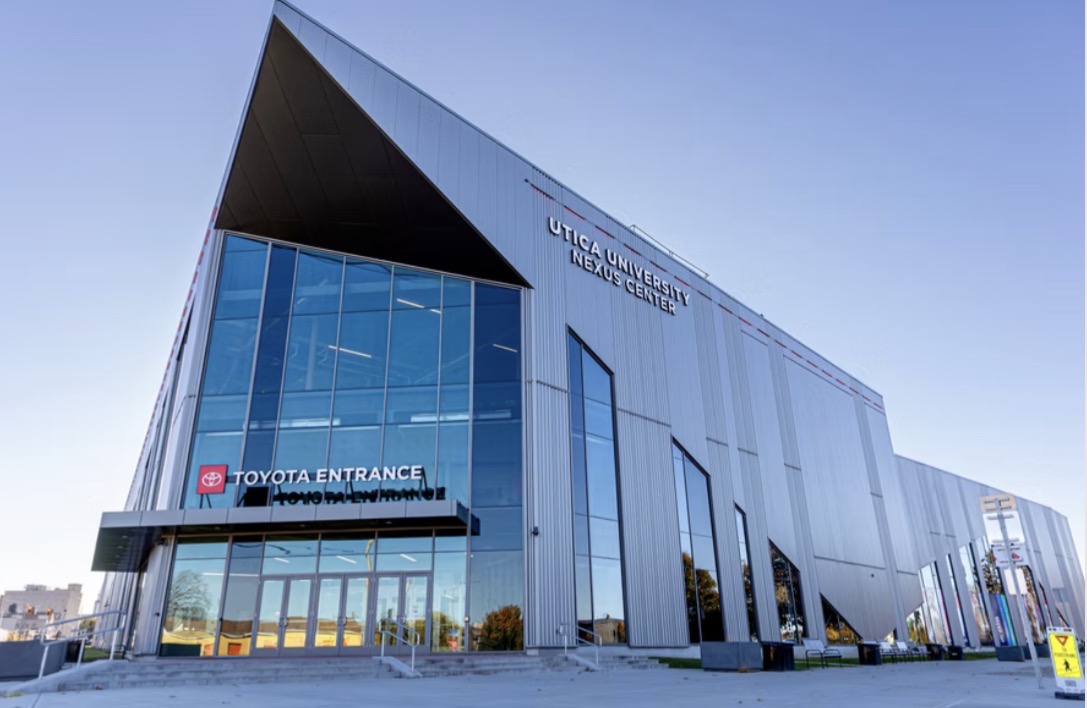
And let’s also note for the record that nearby communities without a world wonder have shown that sports facilities can and do succeed. Buffalo has Harborcenter, which attracts hockey tournaments because of its excellent rinks, downtown location, and connection to the Buffalo Sabres organization. Utica developed the Nexus Center, a modern facility with flexible spaces that can host different sports and events. Cortland built a sports complex that attracts teams from many states and Canada. Rochester operates facilities that are busy throughout the year with leagues, camps, and tournaments.
These communities teach important lessons.
First, successful sports facilities do not depend on one sport alone. Hockey may be important, and certainly is, but a facility must also host basketball, volleyball, wrestling, cheer competitions, indoor soccer, pickleball, dance events, and community gatherings.
Second, successful facilities do not rely only on weekend tournaments. During weekdays, they host practices, local leagues, clinics, camps, school events, birthday parties, trade shows, and meetings.
Third, they secure commitments before opening their doors.
Yes, Niagara Falls has many strengths. It is within driving distance of Buffalo, Rochester, Syracuse, Erie, Cleveland, Pittsburgh, and Southern Ontario. Families attending tournaments could visit the Falls, cross into Canada, explore local attractions, and extend their stay.
Building a large facility requires a major investment. A building that sits empty becomes a financial burden as well as an eyesore.
There needs to be a plan.
Tournament operators should sign agreements. Hotels should commit to room blocks. Financial experts should prepare independent studies. Community leaders should make sure local children can afford to participate and benefit from the facility. And local residents deserve honesty. No project can solve every problem facing a community. A sports complex can become an important part of a larger economic development strategy.
We emphasize here that if done correctly, a new sports facility could help fill hotel rooms during slower seasons, support local businesses, create jobs, and give area youths new opportunities.
On the other side of the issue, if done poorly, the facility could become a monument to good intentions. The future success of such a facility depends on discipline, planning, and realism.
First, prove that the athletes, tournaments, and visitors are coming.
Then build a facility designed to serve them.
The potential and opportunity are there. Niagara Falls must be willing to do the hard work necessary turn possibility into lasting success.
As in many real-world challenges, nothing of real value comes easy. Niagara Falls has the ability to make this a success story. Let’s hope that happens.