

While the state debates how to regulate a booming industry, the mayor of its poorest city is fighting to destroy a $1.5 billion project that fits every criterion Albany now says it wants.
A proposed three-year moratorium on data center development in New York State has generated headlines.
A realistic assessment of Albany dynamics, executive policy, and existing regulatory authority puts the probability of a blanket statewide moratorium at roughly 15-20%. The legislation is a political positioning — agenda-setting designed to extract concessions from developers on cost allocation, water use, and emissions accountability.

That last point matters enormously. The Governor’s administration, through the New York Power Authority and Empire State Development, has been actively steering large-load users toward regions with existing hydroelectric or legacy power, industrial zoning, and underutilized infrastructure. The strategy is managed development, not suppression.
The regulatory tools already exist. The Public Service Commission regulates cost causation for large-load interconnections and utility rate impacts. The Department of Environmental Conservation conducts environmental reviews under SEQRA, including cumulative impact analysis, water-use evaluation, and air-quality review. The agencies have the authority to impose project-level conditions and deny permits where impacts are not adequately addressed. The moratorium bill largely duplicates powers the state already possesses.
What is far more likely to emerge from this legislative moment — at roughly 60 to 70 percent probability — is modified legislation imposing enhanced studies, reporting requirements, and stricter cost-allocation rules. The price of entry into data center development in New York is rising.
Now consider Niagara Falls.
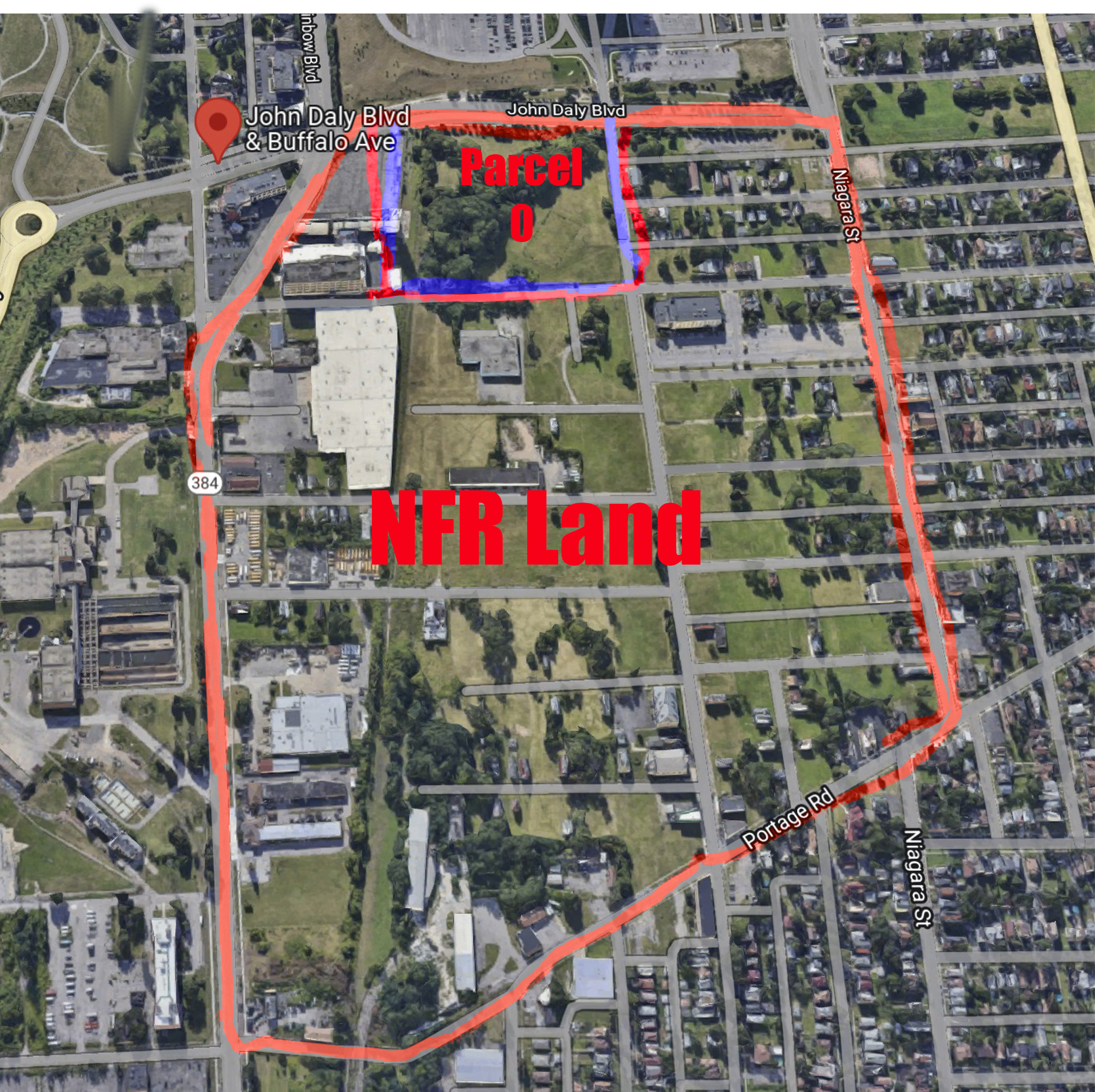
Legacy power region with 2,600 megawatts from the Robert Moses Niagara Power Plant. Industrial zoning. Cold climate reduces cooling costs and water consumption. Developer-funded infrastructure with no cost shift to ratepayers. Projected tax revenue of $414 million over 20 years. Five hundred fifty permanent jobs averaging $100,000 in a city where the median household income is $48,500, and one in four residents lives in poverty. Fifty-six hundred construction jobs.
Thirty-six states are offering incentives to attract exactly this kind of project. Virginia’s Loudoun County has watched property taxes decrease because data centers pay so much into the base. Across the country, cities are competing for what Kevin O’Leary has called the new gold rush.
And the mayor of Niagara Falls is trying to kill it.
The timeline tells the story. In September 2021, Restaino met with NFR and expressed interest. Weeks later, his planning director, Eric Cooper, wrote to NFR about “the prospective development of a Data Center,” copying the mayor. The city requested a zoning amendment. NFR drafted it and submitted it for review.
Then, in December 2021, Restaino imposed a data center moratorium on Niagara Falls — the very moratorium that Albany, four years later, still has not been able to impose statewide.
In January 2022, Restaino told NFR for the first time that he was taking their land through eminent domain. By June 2022, he was telling the Niagara Gazette that NFR’s data center announcement was merely a ploy to inflate property values. “I can’t imagine any other potential reason for it,” he said.
The state is now engaged in a debate about how to balance data center growth with environmental responsibility, ratepayer protection, and grid management. Reasonable people can disagree about the pace and conditions of development. But the debate in Albany assumes that data centers are coming, and the question is how to manage them wisely.
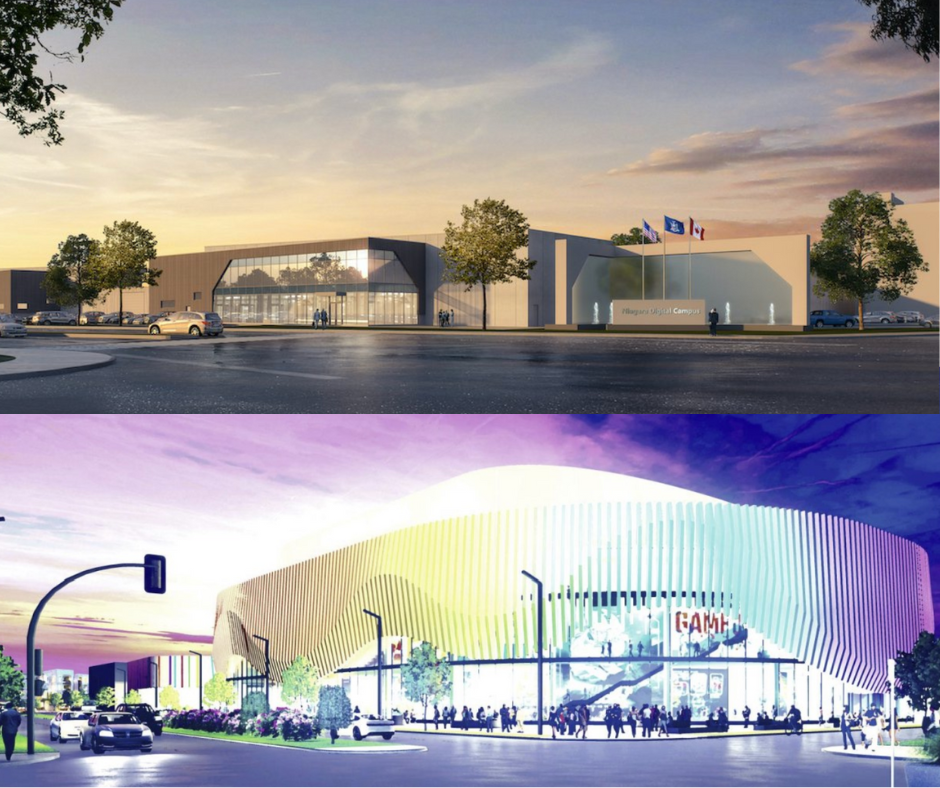
He is rejecting the project that fits the state’s criteria and substituting one that benefits no one in the city — unless you follow the geography of the proposed arena site to the Seneca Nation’s 50 tax-free acres across the street and start asking who benefits from sequestering arena traffic away from downtown businesses.
Albany is telling data center developers: pay your way, meet our climate goals, and build where it makes sense. Niagara Falls has a developer ready to do all three.